
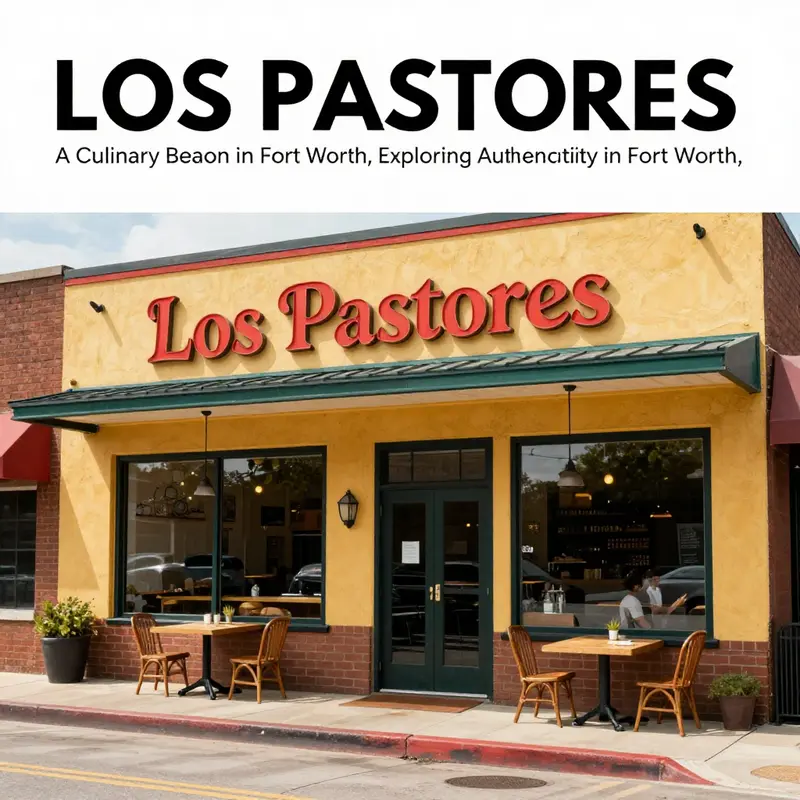
Los Pastores Restaurant stands out in Fort Worth’s vibrant dining scene, celebrated for its commitment to authentic Mexican cuisine. With a menu that balances cherished traditional dishes and innovative recipes, the restaurant has become a staple for both locals and visitors. This article delves into two crucial aspects: the authenticity and innovation of its menu, alongside its significant role in the community, highlighting why Los Pastores is more than just a restaurant – it’s a cultural hub.
Authenticity in Flux: How Los Pastores Balances Heritage and Innovation in Fort Worth
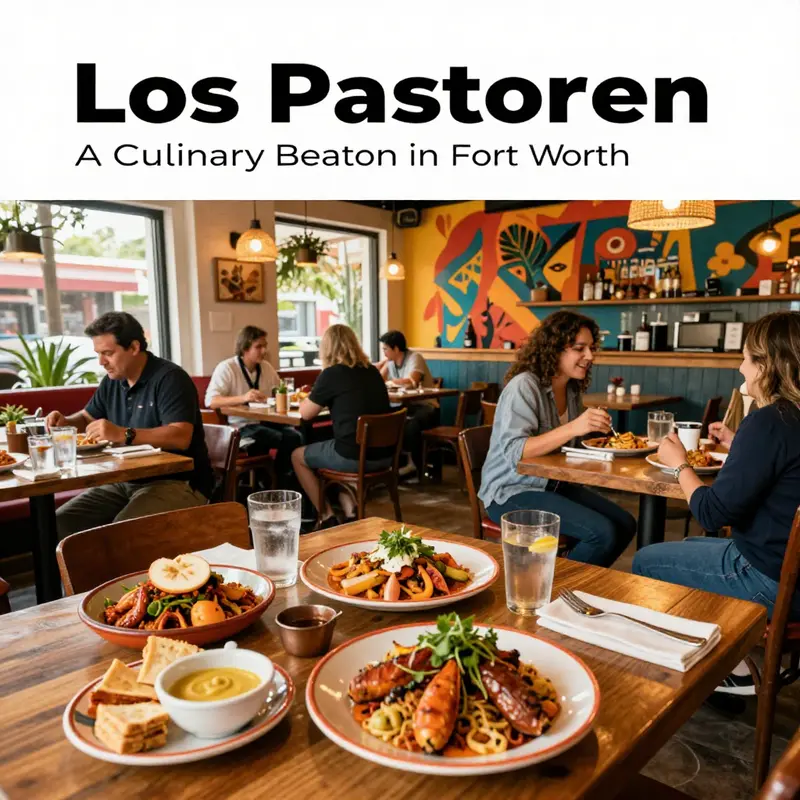
Fort Worth is a city where the old and new often share the same block, where public murals glow beside traditional storefronts, and where a dining table can feel like a doorway to a different country. In the heart of this city, Los Pastores Restaurant stands as a quiet argument in favor of flavor as memory and memory as flavor. It is not merely a place to eat; it is a space where the sensory memory of Mexican home cooking is kept alive, carefully tended, and occasionally nudged toward something new. The restaurant’s own arc mirrors a larger conversation about authenticity in a modern food landscape: you can honor a tradition without being afraid to test its edges. The Fort Worth location, open daily from 8:00 in the morning until 9:00 at night, has built its reputation on that balance. The space feels welcoming and familiar—the kind of place where a regular can walk in and be greeted by name, where the sizzle of a fresh tortilla on the griddle follows you from the doorway to your seat. Yet the same room carries a faint tremor of curiosity, a signal that the kitchen is not merely a time capsule but a laboratory for flavor, texture, and technique.
From the moment a guest encounters the aroma drifting from the kitchen—corn, lime, roasted chiles, a hint of smoke—a sense of authenticity begins to unfold. Los Pastores makes a deliberate claim: the most honest dishes are not whispers of a distant past but ongoing conversations between ingredients and technique. The menu highlights handmade tortillas and daily-salsa preparation, elements that anchor the dining experience in craft and care. These are not afterthoughts but the bones of the meal, carrying with them the weight of generations who tamed fire, learned to coax sweetness from roast, and discovered how heat changes the character of a pepper. In this setting, authenticity is not a fixed stamp but a living practice conducted in a space that invites guests to witness the transformation of simple staple foods into something celebratory and communal. The tortillas, warm and pliant, are a tangible reminder that every bite has a backstory—one of farmers, mills, and hands that rotate, press, and shape with patience.
The February 2026 menu update at Los Pastores fortifies this sense of rootedness while signaling a confident willingness to experiment. The kitchen team remains steadfast in traditional methods, yet they invite the palate to journey beyond familiar comfort zones. Classic dishes continue to anchor the menu, ensuring that the restaurant remains a reliable haven for those seeking the true Mexican flavors that have long defined its identity. Alongside these steadfast offerings, the kitchen introduces creative twists on beloved favorites, including innovative tacos, subtle evolutions in mole, and seasonal specials that draw from regional Mexican ingredients. This approach—holding fast to core techniques while allowing room for reinvention—transforms the experience into a dialogue rather than a declaration. Guests can savor the familiar pulse of a dish they know while also encountering small, thoughtful surprises that expand the palate without uprooting the sense of place. The result is not a clash of eras but a cooperative duet in which the past breathes through the present, and the present breathes back with a brighter, more inclusive set of possibilities.
Integral to this balance is the restaurant’s commitment to ingredients that tell their own stories. The tortillas are not a generic flatbread but a crafted staple whose texture and aroma announce a lineage of masa preparation and heat management. Salsas are made daily, reflecting a respect for freshness and a discipline around seasoning that never feels hurried. The kitchen’s philosophy, in practical terms, translates to a menu where safety and simplicity coexist with depth of flavor. A well-executed plate at Los Pastores relies on the way ingredients interact: the maize sweetness of a tortilla that carries the bright acidity of lime, the earthy heat of roasted chiles that lingers without overpowering, and a protein that remains tender yet characterful. These relationships matter because they form the backbone of authentic Mexican cooking, even as the kitchen explores new combinations that honor that backbone while inviting curiosity.
The sense of craft extends beyond the plate to the overall dining atmosphere. There is a tactile warmth to the room, a sense that the cooking is happening not in a distant, anonymous kitchen but in a space where people can connect with the labor behind each dish. The staff’s approach often feels familial, a reflection of the culinary heritage that informs every recipe. This atmosphere matters as much as technique because authenticity, in this view, is about the lived experience of food—the way it is prepared, how it is shared, and the stories it invites guests to tell while they eat. The kitchen becomes a stage where traditional skills are demonstrated with pride, and any new dish is introduced not as a rupture but as another instrument in a shared culinary orchestra.
Innovation at Los Pastores is not a rebellion against the old; it is a respectful expansion of it. The kitchen’s logic is incremental, anchored by time-honored recipes and refined through careful adjustment. When the team introduces a new taco concept or a mole variation, it is typically built on existing foundations—the balance of acidity, the layering of heat, the role of aromatics. The result is a menu that feels coherent and expansive at the same time. A guest might encounter a delicate mole that preserves the signature depth of chocolate and chile but offers a more nuanced sweetness or a smoky finish. Or they might encounter a seasonal dish that showcases regional ingredients—perhaps a preparation that brings out the brightness of citrus or the earthy notes of roasted root vegetables—without straying from the essential idea of what Mexican home cooking can be when approached with care and imagination. The point is not radical reinvention but thoughtful evolution, a process that keeps the palate engaged while honoring the emotional truth of the cuisine.
To speak of authenticity without acknowledging the practicalities of sourcing and technique would miss a crucial part of the story. Los Pastores demonstrates that authenticity is as much about process as it is about flavor. The daily-made tortillas, for example, require a routine that respects the grain of the masa. The masa itself is a bridge between tradition and ingenuity: a dough that must be handled with reverence but also with the curiosity to learn how the dough responds under different griddles, temperatures, and humidity. The salsas, prepared fresh each day, become a running ledger of the kitchen’s sensitivity to seasonality and regional variation. This hands-on, iterative approach ensures the dishes retain their sense of place even as they welcome notes of novelty. In essence, authenticity here is not about preserving every old method to the letter but about preserving the spirit that makes those methods worth preserving—the care, the restraint, and the shared joy of a good meal.
The Fort Worth community absorbs this philosophy in meaningful ways. Guests arrive with expectations rooted in tradition, and they depart with a sense of having experienced something both familiar and alive. The restaurant’s accessibility—visible hours, clear contact information, and a welcoming physical space—invites conversations that extend beyond the dining room. People discuss what they tasted, what they learned about a technique, and what new idea might become a future staple. In this way, Los Pastores becomes not only a place to eat but a point of reference for what it means to respect a culinary lineage while still inviting fresh perspectives. The dialogue around the restaurant, aided by reviews on platforms like Yelp, becomes a shared memory bank of tasting experiences, reinforcing the idea that authenticity can grow rather than ossify when it is plural, generous, and attentive to guests’ evolving tastes.
In weaving together tradition and experimentation, the restaurant also nods to the broader landscape of taquerias and Latin American dining culture. A related thread in this conversation is the way other establishments approach the same core value: staying true to flavor while inviting change. That spirit of evolution within tradition is visible in conversations about taqueria concepts across the country, and it resonates with readers who are curious about how a single kitchen can accommodate both reverence for old skills and curiosity about new methods. For readers who want to explore how this balance manifests in practice, a thoughtful example is found in related taqueria conversations online, which highlight how menus can evolve in ways that still honor the essential technique and soulful character of the cuisine. If you want a sense of how this idea translates in adjacent threads of the taqueria world, you can explore a broader discussion of the genre and its creative directions via Pastor Taqueria, which offers a complementary perspective on how a modern taqueria can honor its roots while inviting experimentation. Pastor Taqueria.
Ultimately, Los Pastores Fort Worth invites diners into a story about food as memory, hospitality, and ongoing invention. The positioning is deliberate: authenticity is a living practice, not a relic. The menu reflects a careful curation of staples that are given room to breathe, and seasonal additions are introduced with the same care that marked the founding recipes. Guests do not encounter a static map of dishes but a living itinerary—one that travelers of flavor can follow with confidence while discovering new stops along the way. In this sense, the restaurant does more than serve meals; it curates experiences that honor both the shared human impulse to nourish and the individual curiosity that keeps cuisine dynamic. The result is a dining experience that nourishes the senses and nourishes conversation, inviting guests to savor the past while tasting the future.
For those who wish to connect directly with the source and explore the Langue of the place, the restaurant’s official channel remains the best point of reference for current offerings, hours, and events. A direct encounter with the menu as it evolves—the core, the twists, and the seasonal expressions—can reveal how authenticity remains resilient when paired with a willing hand and a listening palate. As Fort Worth continues to grow and diversify, Los Pastores stands as a reminder that a kitchen can honor its origins while still inviting new voices to contribute to the ongoing story of what Mexican home cooking can be when it meets a modern table. The dinner table, in this sense, becomes a communal forum where memory and experimentation converge to form something that feels both timeless and of the moment.
External reference: for a direct look at the restaurant and its offerings, you can visit the official site.
External link: https://www.lospastoresfortworth.com/
Where Food Becomes Heritage: Los Pastores in Fort Worth and the Community It Serves
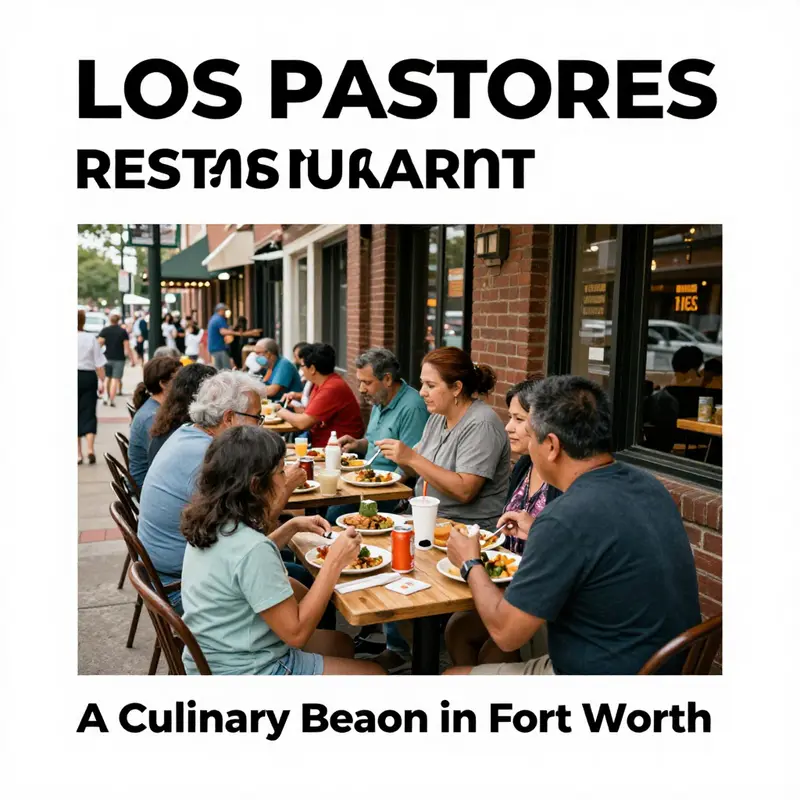
The Fort Worth location of Los Pastores rests not merely as a place to eat, but as a living repository of memory, craft, and shared belonging.
Its doors open onto a neighborhood where weathered sidewalks meet a shifting skyline, and inside the air is warm with the scent of simmering broth and char.
The space is designed for gathering, conversation, and the passing of tradition from one generation to the next, anchored by the address 3806 E Rosedale St and a rhythm that follows daily life here.
The interior design uses traditional textiles and hand painted tiles to create a tapestry that feels festive yet respectful, a small museum of Mexican heritage in daily practice.
The staff, many with personal histories braided into the restaurant, embody hospitality as civic engagement, greeting regulars with warmth and newcomers with patient explanation.
The table becomes a stage for communal storytelling where recipes pass from grandmother to younger cooks, mixing heritage with contemporary interpretation while keeping roots intact.
The restaurant acts as a cultural ambassador, making heritage legible through food, memory, and shared celebration, inviting patrons to participate in a living tradition.
The February 2026 menu update marks a careful evolution that honors traditional roots while embracing seasonal ingredients and creative reinterpretations, always with hand crafted elements and in house tortillas and stews.
Beyond the dining room, Los Pastores serves as a touchstone for social life, education, and neighborhood conversations, inviting both long time residents and newcomers into a shared future.
Together these elements show how a single restaurant can survive as a vibrant cultural space, a place where language, memory, and craft are learned, shared, and kept alive through everyday practice.
Final thoughts
In conclusion, Los Pastores Restaurant embodies much more than a dining establishment; it represents a fusion of authenticity and community spirit. Through its commitment to traditional Mexican cuisine and innovative menu offerings, it fosters connections among diverse patrons, making it a vital part of Fort Worth’s cultural landscape. The restaurant’s continual evolution reflects its dedication to honoring heritage while embracing contemporary dining trends, establishing it as a beloved institution.

