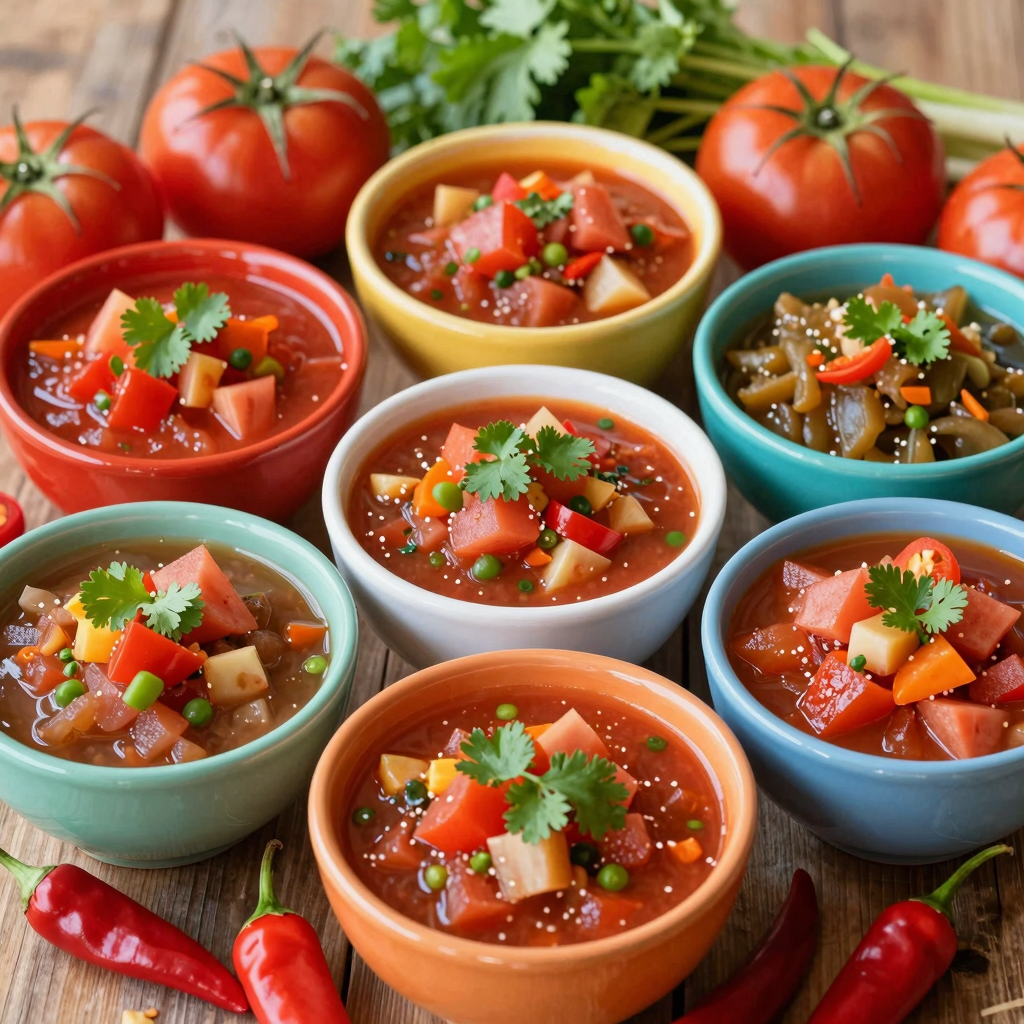
Introduction to Taqueria Style Salsa
Taqueria style salsa embodies the vibrant, dynamic spirit of Mexican cuisine. It offers not just a punch of flavor but also a rich cultural tapestry woven into each ingredient. From zesty pico de gallo to fiery habanero salsa, these condiments serve as cornerstones of the taqueria experience. They are more than mere accompaniments to tacos; they play a pivotal role in defining the personality of the dish and the culinary heritage they represent. Each regional variation tells a story, showcasing the unique ingredients and techniques passed down through generations.
For business owners in the restaurant industry, understanding taqueria style salsa can be a game-changer. It’s not simply about adding a few salsas to your menu-it’s about creating an authentic dining experience that resonates with customers. Salsas are usually prepared fresh throughout the day, ensuring every bite bursts with flavor and freshness. They offer a perfect opportunity to engage with guests and enhance their culinary journey, as patrons often enjoy experimenting with different salsa varieties to elevate their tacos.
Incorporating a diverse range of taqueria salsas not only enriches the menu but also taps into the growing trend of experiential dining. By offering customers a taste of authentic, high-quality salsas, restaurant owners can build deeper connections with their clientele and foster a true love for Mexican cuisine. This culinary exploration invites patrons to share in the passion for delicious, authentic flavors that taqueria style salsas bring to the table. For more insights into how these elements can enhance your offerings, learn more about tacos al pastor and the taqueria experience.
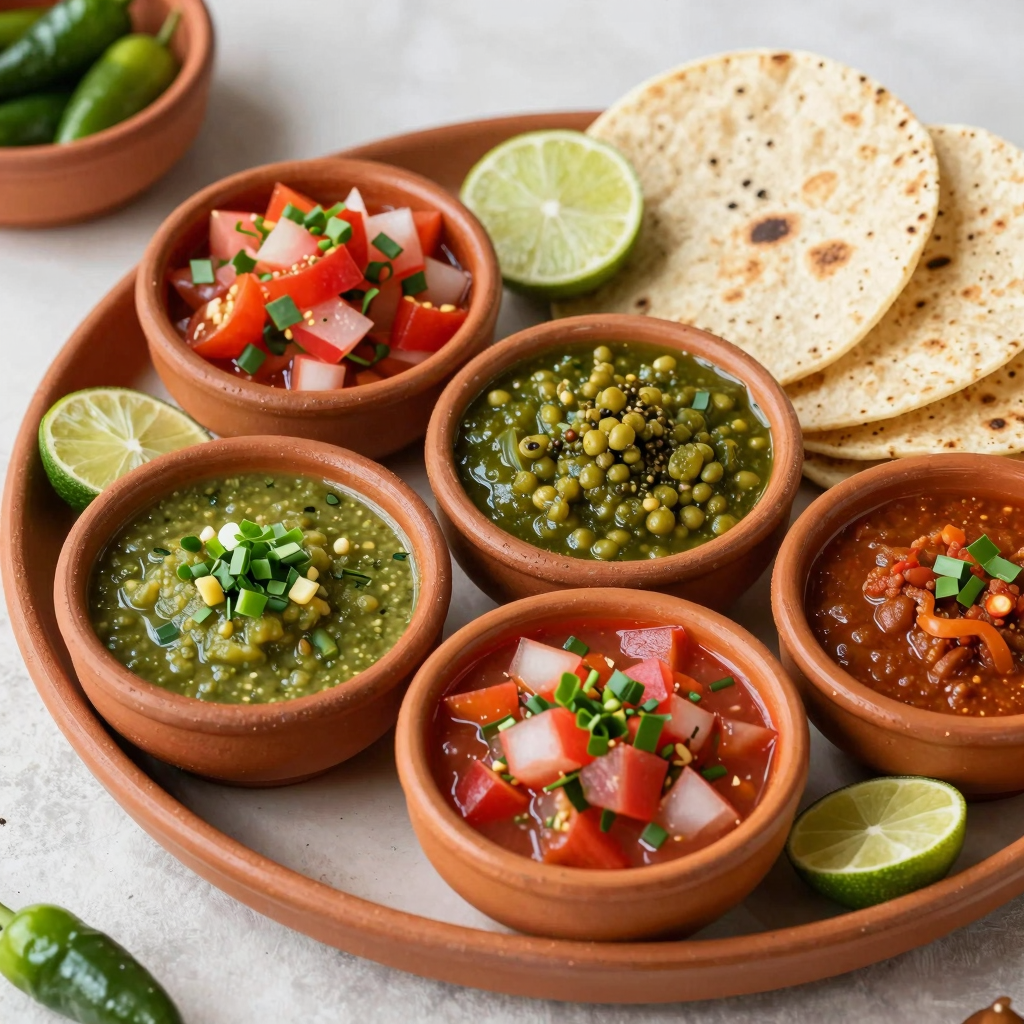
Key Ingredients for Taqueria Style Salsa
If you’re looking to create the refreshing and vibrant taste of taqueria-style salsa, it’s essential to understand the core ingredients that comprise this Mexican classic. Here’s a concise list of the key ingredients:
- Ripe Tomatoes: The base of any salsa, tomatoes are often roasted to bring out their natural sweetness and smoky flavor. Varieties like Roma or vine-ripened tomatoes are preferred.
- Jalapeño or Serrano Peppers: For that signature heat, fresh jalapeños or serranos are crucial. Adjust the quantity based on your spice preference.
- White Onion: Adds crunch and sharpness. Finely diced white onion is most commonly used.
- Fresh Cilantro: This herb gives the salsa its fresh, herbal notes. Use it generously for authentic flavor.
- Lime Juice: Freshly squeezed lime juice adds acidity, balancing the sweetness of the tomatoes and heat of the peppers.
- Salt: Essential for enhancing all the flavors, salt should be added to taste.
- Optional Garlic: Some recipes incorporate garlic for added depth, but it’s not always necessary.
This combination creates a refreshing salsa that serves as a perfect condiment for tacos, burritos, and grilled meats. Learn more about tacos al pastor to enhance your menu!
The History of Taqueria Style Salsa
Salsa, a cornerstone of Mexican cuisine, has evolved significantly over centuries, deeply intertwined with the cultural fabric of Mexico. Its roots trace back to the indigenous peoples of Mesoamerica, where ingredients like tomatoes, chili peppers, and herbs were staples long before European colonization. The word “salsa” itself comes from the Spanish term for “sauce,” and although its popularity has surged globally, the true essence of salsa lies in its history and regional variations.
Origins and Cultural Significance
Historically, salsa can be seen as a reflection of the merging of cultures. After the Spanish colonization, these native ingredients were adapted into new culinary practices, resulting in the varieties we enjoy today. The modern concept of salsa, particularly as it relates to taquerias, began to crystallize in the early 20th century in Mexico City, where taquerias emerged as lively eateries dedicated to serving tacos with vibrant, fresh salsa as an essential accompaniment.
Salsa is not just a condiment; it embodies communal dining and the vibrant culture of Mexican street food. Popular types of taqueria salsas include pico de gallo, a fresh salsa made from chopped tomatoes, onions, and cilantro, and salsa roja, a cooked, tomato-based version that showcases the rich flavors of the region. The variations are numerous, with each taqueria often boasting its own secret recipe, further enhancing the feelings of authenticity and tradition.
Evolution Over Time
As taqueria culture grew, so did the complexity and variety of salsas served across different regions of Mexico. With influences from various local traditions, these salsas began to take on unique characteristics. For example:
- Salsa Verde: A green sauce made from tomatillos and green chili peppers, known for its bright, zesty flavor.
- Chipotle Salsa: Incorporating smoked jalapeño peppers for a depth of smoky flavor, often used in more modern Mexican cuisine.
Today, the hallmark of taqueria style salsa is its freshness and bold flavors, prepared daily, often showcased in casual yet vibrant settings. The emphasis on fresh ingredients ensures that every bite represents the core values of taqueria culture: simplicity, authenticity, and community.
Entrepreneurs in the food industry aiming to integrate authenticity into their offerings can find great inspiration in the tradition of taqueria salsas. Whether it’s through using locally sourced ingredients or reflecting regional recipes, emphasizing these characteristics not only enhances the culinary experience for customers but also pays homage to the rich cultural tapestry from which these food traditions arise.
Conclusion
As salsa continues to be celebrated both in Mexico and globally, understanding its historical and cultural significance offers deeper insight into one of the most beloved elements of Mexican cuisine. Taqueria style salsa, with its colorful presentation and variety of flavors, is more than just a topping for tacos; it is a symbol of heritage and community that resonates with those seeking authenticity in their culinary offerings. For more insight into authentic taco recipes and their ingredients, check out our taco offerings at Taqueria El Pastor and explore our menu at Taqueria Don Pastor.
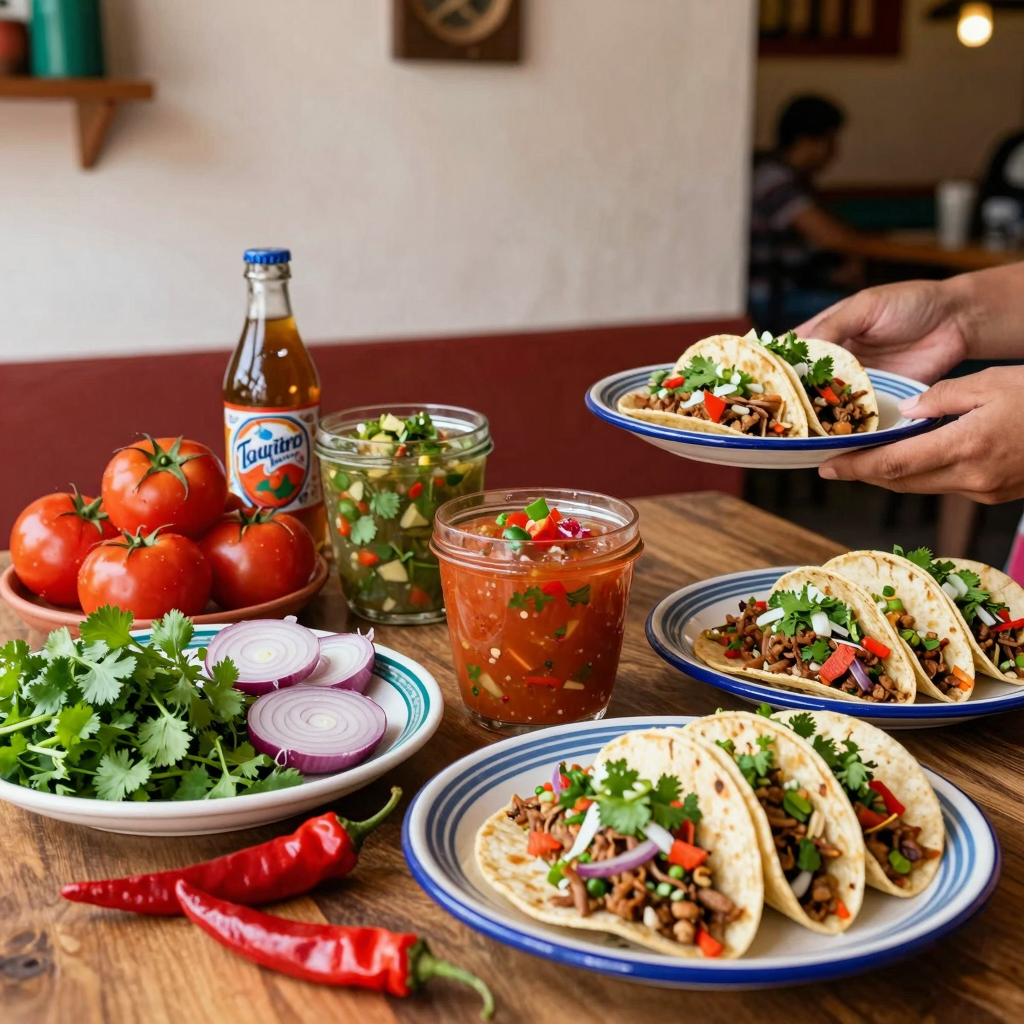
Comparing Taqueria Salsa to Other Salsa Types
Understanding the differences between taqueria-style salsa, pico de gallo, and salsa verde can significantly enhance menu offerings in a restaurant setting. Here’s a detailed comparison:
| Salsa Type | Ingredients | Flavor Profile | Usage Scenarios |
|---|---|---|---|
| Taqueria Salsa | Roasted tomatoes, guajillo or ancho chili, onion, garlic, cilantro | Smoky, rich, savory | Ideal for tacos, burritos, served warm with tortilla chips; great as a base for stews. |
| Pico de Gallo | Fresh tomatoes, onion, cilantro, jalapeños, lime juice | Bright, tangy, and fresh | Perfect for topping salads, grilled meats, or as a dip; often used in tacos for added crunch. |
| Salsa Verde | Green tomatillos, serrano/jalapeño peppers, onion, cilantro | Tart, herbaceous, mildly spicy | Complements grilled meats, enchiladas, and seafood; excellent for marinating ingredients. |
Insights for Restaurant Owners
Understanding these salsa types can help you tailor your menu to enhance customer experience:
- Warm Applications: Taqueria salsa’s versatility makes it ideal for hot dishes.
- Fresh Toppings: Pico de gallo offers a crisp bite, making it a popular choice for enhancing flavors.
- Pairing with Proteins: Salsa verde adds a zesty touch to various meats, elevating simple dishes to new heights.
For more insights, you can learn about our taco offerings or explore our unique al pastor dishes here.
How to Make Taqueria Style Salsa
Creating a taqueria-style salsa is a straightforward process that not only enhances the flavor of your dishes but also brings a taste of authentic Mexican cuisine to your kitchen. This salsa complements tacos, burritos, and other Mexican dishes beautifully. Below, we’ve compiled a simple, step-by-step recipe to help business owners and chefs recreate this beloved condiment.
Ingredients
To make approximately 2 cups of taqueria salsa, you will need the following:
- 4 ripe tomatoes, seeded and diced (or roasted)
- 1/2 white onion, finely diced
- 1 jalapeño, finely chopped (adjust to taste)
- 2 cloves of garlic, minced
- 1 small bunch of fresh cilantro, chopped
- Juice of 1-2 limes, to taste
- Salt, to taste
- Pepper, to taste (optional)
Equipment Needed
- A sharp knife
- A cutting board
- A mixing bowl
- A spoon or spatula
- A food processor or blender (optional)
Instructions
-
Prepare the Ingredients: Begin by finely dicing the tomatoes, onion, and jalapeño. Gentle handling is key to preserving the texture of the salsa. If you prefer roasted salsa, you can char the tomatoes and jalapeño on a skillet until the skins blister. Cool slightly, peel if desired, and chop.
-
Mix Together: In a mixing bowl, combine the diced tomatoes, onion, jalapeño, minced garlic, and chopped cilantro. Stir well to combine.
-
Add Lime Juice: Squeeze the juice of 1 to 2 limes over the mixture. This adds acidity and brightness to the salsa. Be sure to taste as you go; you want the flavor balanced to your preference.
-
Season: Add salt to taste and pepper if desired. Mix again to ensure that all ingredients are well combined.
-
Blend (Optional): For a smoother consistency, you can blend the mixture in a food processor or blender, but traditional taqueria salsa is usually chunky. If you prefer, just give it a light pulse to maintain some texture.
-
Chill and Serve: Let your salsa sit at room temperature for about 30 minutes before serving to let the flavors meld together. For a cooler option, refrigerate for 2 hours.
-
Pair with Dishes: Serve your taqueria salsa with fresh tortilla chips, tacos, burritos, or as a zesty topping for grilled meats.
Tips for Success
- Use Fresh Ingredients: The quality of your produce significantly affects the flavor of the salsa. Use fresh, ripe tomatoes and herbs for the best result.
- Adjust Heat Levels: If you prefer a milder salsa, remove the seeds from the jalapeño before chopping, or use only half a pepper.
- Experiment: Feel free to add variations like diced avocado or mango for a unique twist. You can also include spices like cumin or smoked paprika for added depth.
Conclusion
Making taqueria-style salsa in your kitchen is not only easy but also rewarding. By following these simple steps, you can create a fresh, vibrant salsa that will enhance your menu offerings. For more taco inspirations, visit Tacos El Pastor and explore our other specialties!
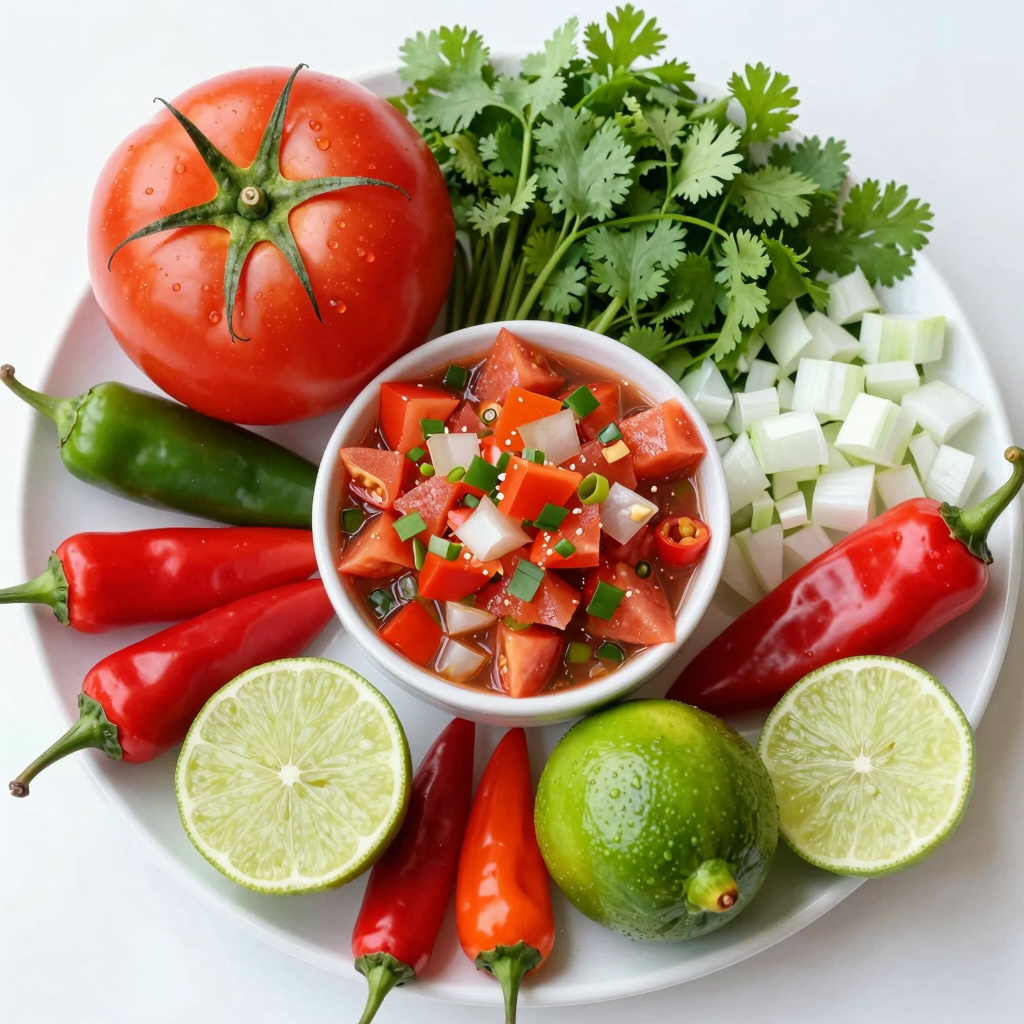
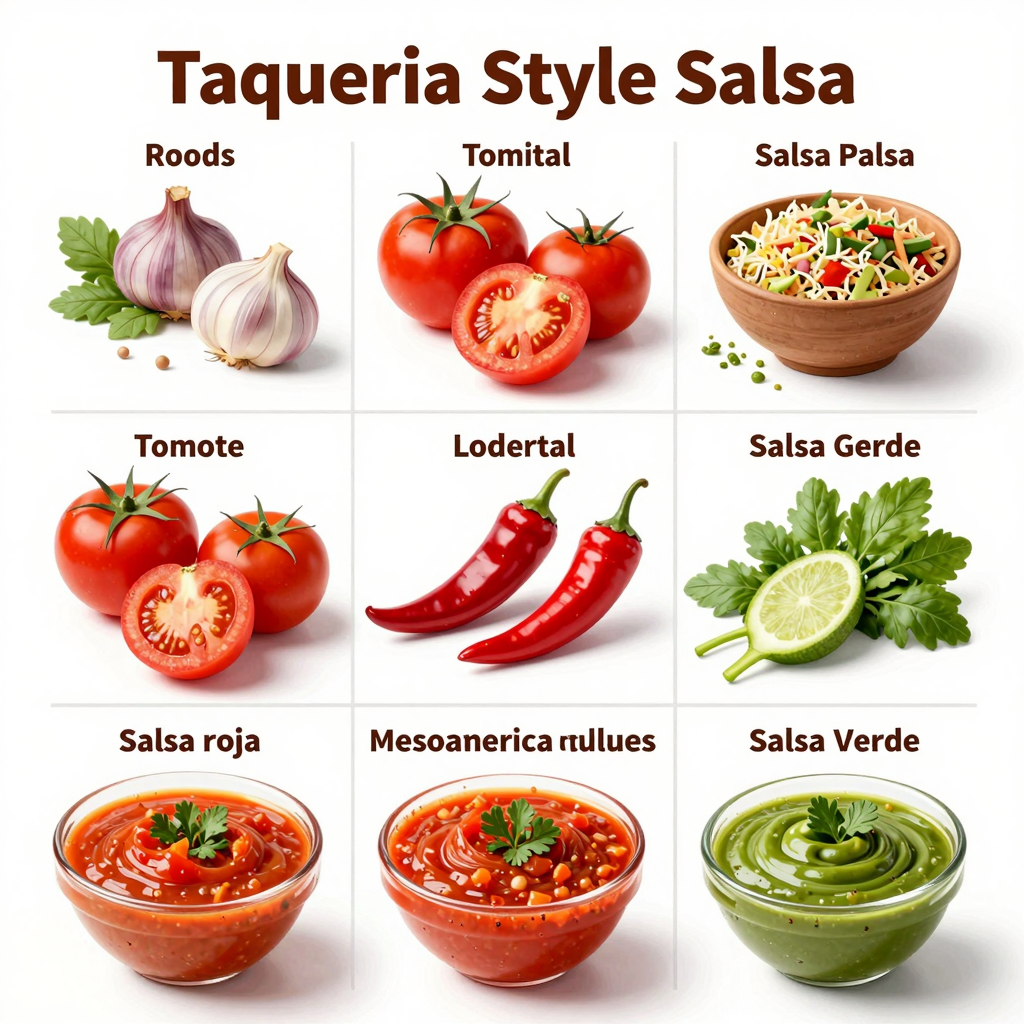
A vibrant and colorful display of fresh taqueria-style salsa ingredients including ripe tomatoes, diced onions, fresh cilantro, different varieties of peppers, and lime. This visual representation showcases the delicious and fresh components that create the mouth-watering salsa typical of taquerias.
Exploring Taqueria-Style Salsa Variations Across the U.S.
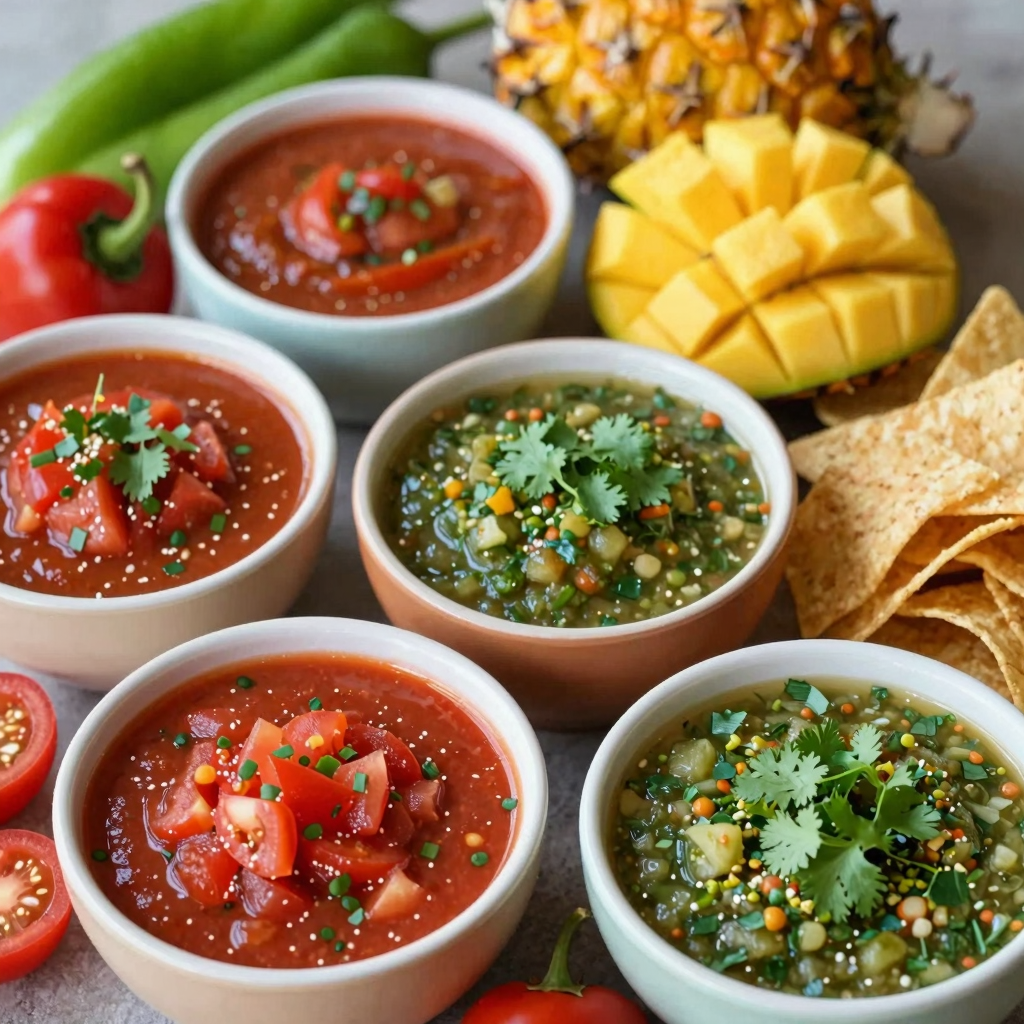
Taqueria-style salsa, a staple accompaniment to tacos and other Mexican dishes, showcases a rich variety of flavors that vary significantly across the United States. Each region puts its unique spin on traditional salsa recipes, allowing business owners to innovate while remaining true to the essence of taqueria-style salsas. Here’s a look at some common variations and their unique ingredients:
Northern California: Fresh and Herbaceous
In Northern California, taqueria salsas tend to be fresher, focusing on vibrant herbs like cilantro and lime. These ingredients create a light, zesty flavor profile, often featuring finely chopped jalapeños for a kick. The emphasis on freshness resonates well with the local culinary scene, appealing to health-conscious consumers.
The Southwest: Smoky and Spicy
The Southwest, particularly Arizona and New Mexico, favors salsas with smoky, roasted flavors. Charred tomatoes and roasted green chiles, alongside chipotle or dried guajillo peppers, are common. This style reflects the strong tradition of grilling and roasting integral to Southwestern cuisine and provides a deep, earthy flavor that enhances the richness of tacos.
Southern California: Sweet and Fruity
Salsas in Southern California often incorporate sweeter fruits like mango, pineapple, or even peach. These vibrant variations add a tropical essence that complements the spicier elements of the dish. Notably, mango-habanero salsa is becoming increasingly popular, marrying heat with sweetness and creating an enticing complex flavor.
The Midwest: Milder and Smooth
In the Midwest, particularly in states like Illinois and Wisconsin, salsas are generally milder and often feature a smoother consistency. Ingredients are usually blended uniformly, catering to broader palates accustomed to less spiciness. Creamy elements like avocado or even Greek yogurt may be added for a unique twist that results in a rich texture.
New York City: A Melting Pot of Flavors
New York City’s taquerias draw on various culinary influences, often introducing unique ingredients such as culantro and habanero. These additions deliver a spicier and more complex flavor that reflects the city’s diverse immigrant community, creating an appealing blend of Mexican and Latin American food traditions.
Unique Innovations
Innovative salsa recipes that go beyond traditional ingredients are emerging across the country, capturing the imagination of diners and food enthusiasts alike. Some popular innovative styles include:
- Mango-habanero salsa with fresh mint and lime for a tropical touch.
- Roasted pineapple and chipotle salsa with a hint of brown sugar for sweetness.
- Charred avocado and serrano salsas creating a rich, buttery texture.
- Quinoa and roasted poblano salsas infused with cumin for a nutty base.
This exploration of taqueria-style salsas demonstrates how regional influences can inspire creative culinary expressions while still maintaining authenticity. As a business owner, understanding these variations enables you to offer a unique and appealing menu that resonates with local tastes and preferences. To learn more about crafting delicious tacos that complement these salsas, check out our taco options.
For further insights on how to establish a taqueria that reflects both tradition and innovation, visit our guide on don pastor taquerias.
Embrace these flavors and innovate with a fresh approach to taqueria salsa, and your offerings will surely delight customers seeking authentic and exciting culinary experiences.
The Art of Taqueria Style Salsa
When it comes to salsa, the words of a renowned chef resonate profoundly: “There’s really an alchemy to it. There’s very few ingredients at the core, but . . . you can have an almost endless variety.” This statement encapsulates the essence of taqueria style salsa, showcasing its complexity and versatility. Authentic salsa is more than just a condiment; it is an integral part of the culinary experience, enhancing flavors and complimenting dishes in countless ways.
For business owners in the food industry, understanding the importance of quality salsa can elevate their offerings and attract more customers. To explore more about our delicious tacos al pastor and how salsa enhances their profile, visit our website.
Advantages of Offering Taqueria-Style Salsa on Restaurant Menus
As the culinary landscape continues to evolve, restaurants are consistently searching for innovative ways to differentiate themselves and appeal to modern diners. One enticing option is taqueria-style salsa-a bold, fresh condiment deeply rooted in Mexican cooking. Here, we explore the myriad benefits of incorporating this vibrant salsa style into restaurant menus, highlighting customer preferences, industry trends, and the potential impacts on sales and satisfaction.
Enhancing Flavor and Authenticity
Taqueria-style salsa typically features hand-chopped fresh ingredients including tomatoes, onions, cilantro, lime juice, and various types of peppers. Unlike mass-produced counterparts, which often rely on artificial preservatives, taqueria salsas offer a fresher taste experience that resonates with customers seeking authenticity. According to a Food & Wine article, these salsas are known for their vibrant, homemade flavors, appealing to health-conscious diners looking for nutritious options without sacrificing taste.
Meeting Health Trends
In today’s market, diners are more health-conscious than ever. Salsa made from whole, unprocessed ingredients provides a nutritious accompaniment to meals, bursting with antioxidants and vitamins. A Healthline report underscores the health benefits associated with taqueria salsa, noting its low-calorie and low-sodium profile, making it a perfect fit for health-focused menus. By offering this kind of salsa, restaurants can align themselves with contemporary wellness trends, translating into a positive dining experience that encourages repeat visits.
Capitalizing on Customer Preferences
The rising demand for authentic, high-quality food is reflected in customer choices. A 2025 consumer survey by the National Restaurant Association showed that nearly 48% of diners prefer fresh pico de gallo, which is not only the most popular type of salsa but also a core component of taqueria offerings. This evolving preference means that restaurants showcasing authentic salsa are more likely to generate customer loyalty. Restaurants that incorporate customizable salsa options or unique flavor profiles will likely outperform competitors that stick to conventional offerings.
Supporting Local and Sustainable Practices
Adopting taqueria-style salsa often promotes a local sourcing philosophy, as fresh tomatoes and peppers can be procured from local farms. This not only boosts the local economy but also minimizes food waste through batch-made prep. As reported by Eater, restaurants that implement such practices can strengthen their brand identity and generate goodwill among patrons, who increasingly seek to support sustainable dining options.
Boosting Overall Customer Satisfaction
Research suggests that offering fresh, house-made salsas significantly enhances the dining experience. According to findings, guests who try taqueria salsa are 35% more likely to rate their overall dining experience positively. The ability to create a unique dining moment with fresh salsa complements not only the food but also the overall atmosphere of the restaurant. This can lead to stronger customer retention and increased word-of-mouth referrals, helping restaurant owners to expand their customer base.
Conclusion: Driving Sales with Taqueria-Style Salsa
Incorporating taqueria-style salsa into a restaurant menu can serve as a multifaceted strategy for business owners. It not only meets the evolving tastes of health-conscious diners but also supports sustainable practices and authenticity. By embracing fresh, homemade salsas, restaurants can enhance customer satisfaction and loyalty while driving sales growth. Whether you’re a seasoned owner or exploring new menu items, adding taqueria-style salsa could be a flavorful and profitable adventure that sets your establishment apart.
For those interested in exploring more about unique taco offerings, consider checking out Tacos El Pastor or other local taquerias that dedicate themselves to the craft of authentic Mexican cuisine.
Conclusion
In conclusion, taqueria-style salsa is not merely a condiment; it is an essential component for the success of any taqueria or restaurant owner. Throughout this article, we have discussed how authentic, handmade salsas enhance customer satisfaction and foster brand loyalty. As highlighted by recent studies, the use of fresh, high-quality ingredients in salsa can set a restaurant apart in a crowded market, driving repeat business and word-of-mouth marketing. For instance, restaurants that offer unique, flavorful salsas often see higher average ticket prices as customers are willing to pay a premium for authenticity. This not only elevates the dining experience but is also a strategic move for positioning your brand as a leader in the competitive restaurant landscape.
Moreover, investing in distinctive salsa recipes can transform a standard menu item into a signature dish, attracting new customers and generating buzz on social media platforms. This aligns with current trends indicating a growing demand for fresh and functional flavor profiles among diners-showcasing that salsa is not only a side consideration but a central aspect of modern dining experiences. Owners who leverage this trend can better engage customers and improve overall profitability.
If you are interested in elevating your menu with authentic taqueria-style salsas, we invite you to explore our offerings and resources. Don’t hesitate to contact us for further engagement and to learn how we can support your culinary journey. Let’s collaborate to create exceptional dining experiences that keep customers coming back for more!