
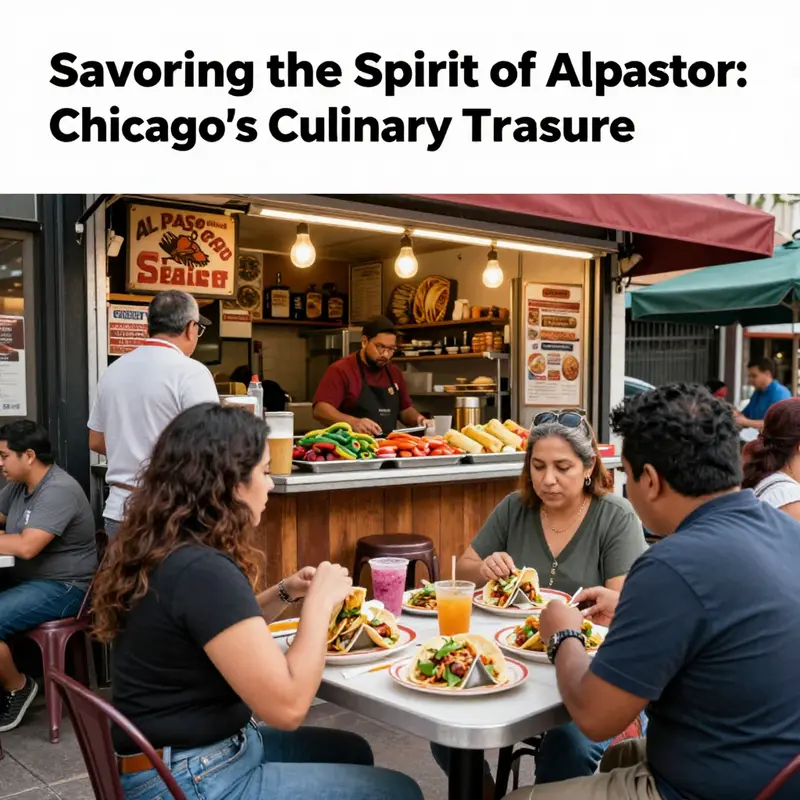
Al pastor, a dish that marries tradition with vibrant flavors, has found a welcoming home in Chicago’s diverse neighborhoods, especially within its immigrant communities. This beloved street food, characterized by marinated pork cooked on a vertical spit and served with fresh ingredients, is more than just a meal; it represents a rich tapestry of cultural significance and local heritage. Business owners interested in tapping into this cultural phenomenon will find great insights in the chapters ahead. From exploring the roots of al pastor in local gastronomy to identifying the best eatery hotspots and understanding the meticulous preparation methods that define its authenticity, this exploration is essential for anyone looking to connect with Chicago’s renowned culinary scene.
Al Pastor in Chicago: Heritage, Heat, and the Trompo That Binds a City
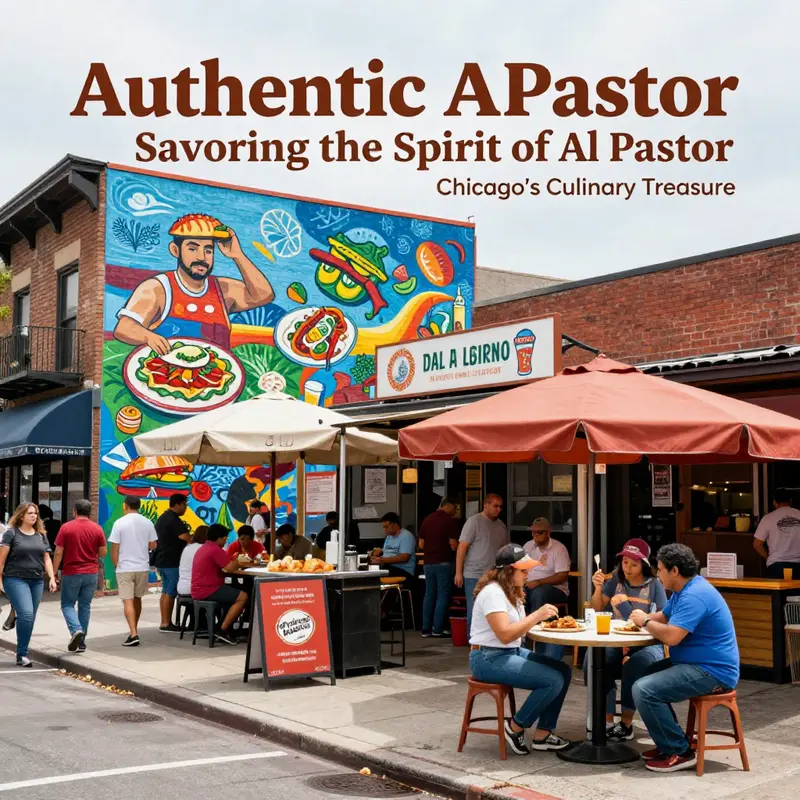
Chicago’s al pastor scene is a living record of migration, a culinary passport that maps how distant kitchens become local comfort. The dish carries a lineage that travels from the Middle East to Mexico, then lands in the Midwest through networks of labor, family, and street corners. Lebanese immigrants introduced the shawarma technique, handed down through generations, while pork replaced lamb to suit local markets. The marinade fused dried chiles, achiote, garlic, and vinegar, creating meat that is smoky, tangy, and deeply savory. Pineapple joined the mix as a bright counterpoint, its sweetness cutting through fat and lending a brief sweetness that lingers. Fresh corn tortillas, pressed by hand, cradle the meat and catch every drop of juice, so each bite feels both new and familiar, a tactile memory wrapped in a warm tortilla. The ritual continues as customers choose char and smoke levels, and as cooks test and pass on the craft, turning a quick bite into a shared memory. In the backdrop, cooks test new elements while preserving the core, offering occasional small twists that still honor tradition.
In Chicago, the tradition takes root in neighborhoods where heritage and appetite intersect. In places with no-frills stands and long lines, al pastor is shaved directly from a rotating trompo, the aroma of char and spice filling the street. Tortillas are made to order, soft and pliable, while a small bowl of consommé waits for dipping, inviting a slower, savoring pace. The pineapple, roasted on the spit, adds a sunlit sweetness that brightens the heat and helps tenderize the pork through enzymatic magic. Each stall casts its own shade of the same rite, a mosaic of textures and techniques that invites you to linger and watch the rhythm of cooking. This is more than a meal; it’s a shared act of memory, work, and community that travels beyond borders in every bite. Families bring lessons learned at home to the street, and neighbors become co-curators of a daily ceremony that sustains local life long after the sun goes down. In many cases, stalls are run by second- or third-generation families who balance work with care for neighbors.
Beyond flavor, al pastor in Chicago embodies cultural continuity. It’s where families gather after long days, where bilingual chatter threads through the ordering line, and where the sizzle of the grill becomes a soundtrack for conversation. The craft is a story of improvisation—preserving origin while adapting to local tastes and ingredients. In the city, to eat al pastor is to participate in a larger dialogue about identity, migration, and belonging. It’s taught at home and learned on the sidewalk, then passed along through the rituals of the stall: the careful slice, the steady rotation, the careful balance of spice and sweetness. The result is more than nourishment; it’s a sensory archive, a living chronicle of how cultures meet, blend, and bind a neighborhood together. On crowded weekends, the aroma travels blocks, inviting passersby to stop, sample, and imagine the routes that brought this food to their doorstep. This daily ritual grows into a seasonal rhythm as autumn crowds mingle with families during community events, turning stalls into informal gathering spaces with shared music, laughter, and the scent of char.
Within the broader Chicago taquería landscape, the al pastor moment remains a touchstone for authenticity and innovation alike. You’ll notice differences between spots that emphasize a smoky edge and those that lean into brightness from the pineapple and vinegar. Some stalls emphasize the straight, honest profile, while others layer in subtle sauces or toppings that complement the core. But the core remains: pork shaved from the trompo, pineapple sweetness, and tortillas that carry the story from grill to table. For a tangible entry point, seek out a stand that presses tortillas fresh and serves a bright consommé for dipping, a small ritual that makes the dish feel both timeless and immediate. One way to anchor the conversation in Chicago’s evolving food map is through a familiar gateway: Tacos El Pastor. This is how traditional technique finds a modern voice in a city that loves to taste memory as it happens. For a snapshot of current favorites, Yelp’s 2026 list remains a helpful guide to the city’s al pastor scene: https://www.yelp.com/biz/top-10-best-al-pastor-chicago-il-2026
Trompo Trails: Chasing Chicago’s Al Pastor from Pilsen to the Wider City
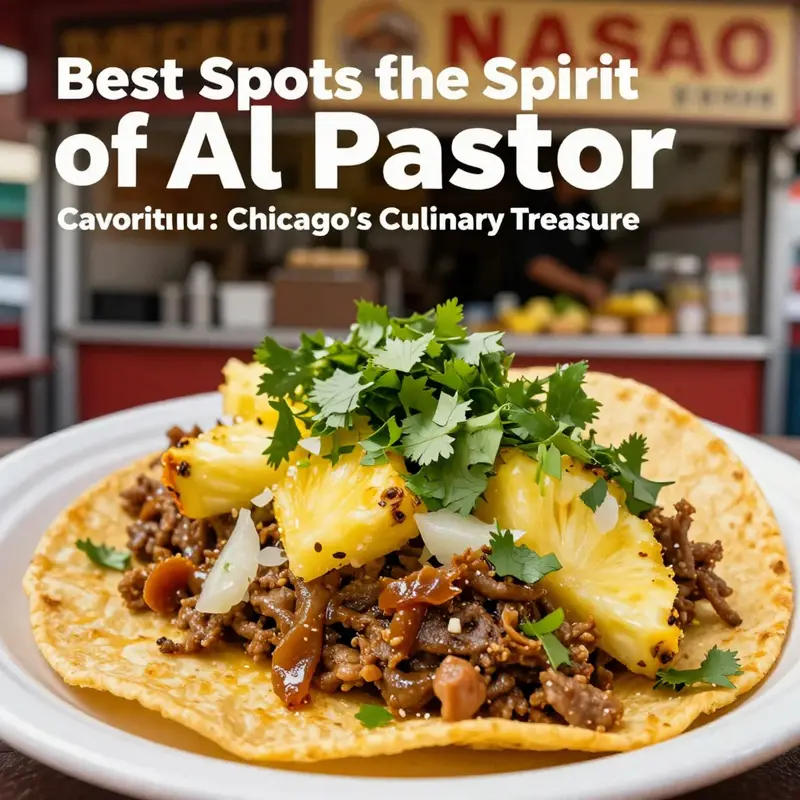
The spit begins to sing before the first bite, a thin line of smoke curling into the late afternoon light as marinated pork turns slowly on a vertical trompo. In Chicago, that sound is a promise and a memory, a scent that arrives with the same certainty as a street on a calm winter night. Al pastor is not merely a dish here; it is a practiced ritual carried through generations, a thread tying families, neighbors, and new arrivals to a shared, evolving table. The pork’s red-brown glaze holds a bright tang, a kiss of pineapple that caramelizes the edges, and a whisper of lime and cilantro that arrives just as the tortilla meets the tongue. What makes Chicago’s al pastor distinct is not only the taste, but the way the city gathers around it—how a single window or stall becomes a neighborhood gathering spot, a place where the day’s labor is traded for a warm, bright, communal meal.
Pilsen remains the heart of this culture, a neighborhood where generations of Mexican heritage have stitched a culinary map into the city’s fabric. Here, the al pastor experience is more than the sum of its parts: the tender meat shaved from a rotating spit, the hand-pressed tortillas that crackle softly as they warm, and the consommé that lifts every bite with its savory, peppery depth. The best versions feel like a memory you have never forgotten, even if you only tasted them once. They celebrate technique—the careful balance of marinade, the patience to render fat and flavor without drying the meat, the artful, almost ritual act of topping with pineapple just as you take another bite. In this corner of the city, flavor feels communal, as if the grill, the family recipes, and the passing of tips and stories from elder cooks to young cooks are all part of one long conversation.
Move beyond Pilsen and the scene broadens without losing its soul. South Chicago offers a counterpart tradition, where bold, hearty profiles meet generous portions and a more rustic, no-frills taco experience that speaks to late-night cravings and everyday resilience. The al pastor there carries a different energy—less about polish and more about heartiness and consistency, a reminder that for many eaters, the value is in sustenance as much as in celebration. From there, a short trip westward brings you into Logan Square’s evolving taquería culture, where modern flair can meet traditional technique in a single tortilla: a glimpse of how immigrant families adapt to a city that constantly redefines itself. It is not about chasing a single perfect bite across a map; it is about tracing a lineage of cooks who have integrated mango-sweetened chiles with the bright acidity of pineapple, and then translated that blend into the city’s evolving palate.
The al pastor ritual travels through the day and night in Chicago, turning street corners into tiny plazas. A window opens, a kettle of consommé steams, and someone wipes a counter with the care of a host preparing a living room for guests. The powder-blue steam, the sizzle of the trompo, and the unmistakable aroma that settles into coats and scarves—all become part of Chicago’s seasonal rhythm, a year-round invitation to join the table. And while you savor the pork’s smoky, citrus-bright essence on a warm tortilla, you’re also tasting the city’s immigrant narrative: adaptation, endurance, and the shared delight of a meal that travels well from kitchen to curb to community center.
For readers craving a practical starting point on this trompo trail, consider seeking al pastor tacos near me, a simple prompt that can lead you toward the city’s best kept secrets while keeping you close to your own neighborhood. A well-chosen stop becomes a mini festival of textures—the soft tortilla, the crisp-edged meat, the juicy pineapple, and the glossy consommé that pools at the bottom of the plate. These are not isolated bites but a chapter in a larger Chicago story of resilience and artistry, where every bite ends with a sigh and a memory that lingers until the next visit. The landscape may shift from street to street, but the essence remains constant: al pastor in Chicago is less a single dish than a shared experience, a tradition continually refined by families who cook with pride and by neighbors who return, night after night, attracted by the warmth of flame and the invitation of a well-loved tortilla.
For a broader city-wide snapshot and more precise listings, see the Eater Chicago guide to Best Al Pastor Tacos. It offers context and curated options that echo the sentiment described here: https://www.eater.com/2026/2/5/chicago-best-al-pastor-tacos-pilsen. And to explore nearby options that locals sometimes discover while wandering the city’s neighborhoods, you can start with this internal resource on al pastor near you: al pastor tacos near me.
Chasing Trompo: The Culinary Craft of Al Pastor in Chicago’s Taquerías
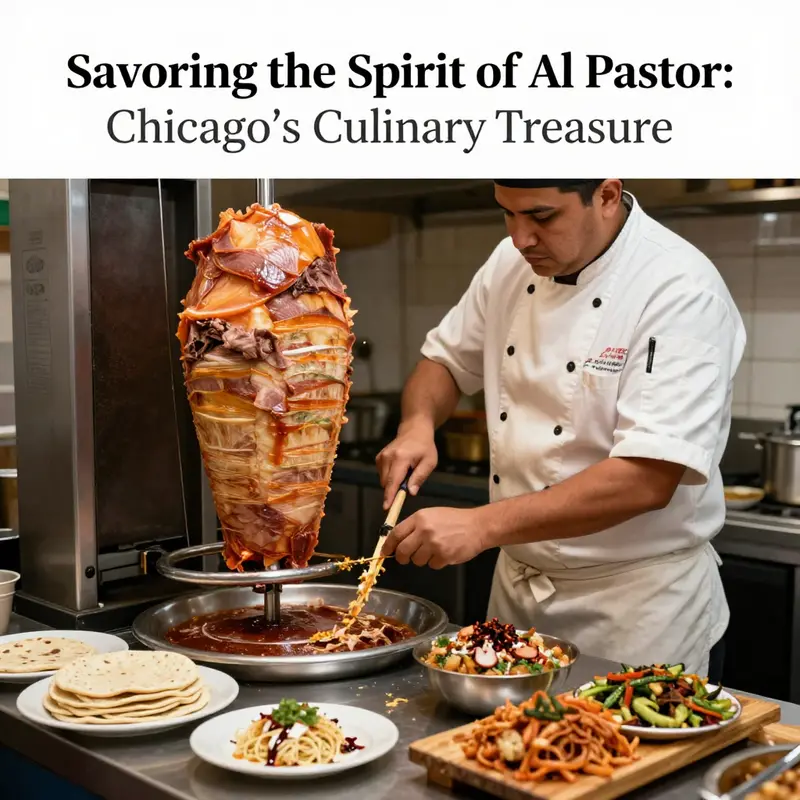
In Chicago, al pastor is not just a dish; it is a living thread woven through the city’s immigrant kitchens and street corners. The method begins with a slow alchemy of ingredients: pork bathed in a ruby-bright marinade built from guajillo and ancho chiles, seasoned with achiote paste, orange juice, lime, cinnamon, and cloves. The meat sits, heavy with aroma, absorbing citrus and heat until edges glow with color. Then comes the trompo, a vertical spit that turns like a quiet engine of tradition. As the meat rotates, it caramelizes and crisps along the outer layer, locking in juices that stay supple when shaved thin. The artistry rests as much in technique as in patience. The chef watches for the moment when the exterior achieves a coppered glaze, a texture that carries a kiss of smoke while the interior remains sweet and juicy. The slice comes off in thin ribbons, shaved directly onto a warm tortilla, the way time-honored methods intend: a balance of char, sweetness, and a hint of citrus that lingers. Pineapple, often roasted and threaded at the top, adds a counterpoint—its sweetness coaxed into the mix rather than dominating the meat. The pineapple’s sugar caramelizes, and its heat twines with the pork’s depth, creating a bright note that enlivens every bite. A handful of chopped cilantro and onion follows, bright greens and crisp freshness that cut through the richness.
Corn tortillas are not an afterthought in this scene but the foundation. They are pressed by hand on a hot comal, each round yielding a soft, earth-toned pocket that coolly absorbs the oil and juices from the meat. When tortillas and trompo meat come together, the experience feels choreographed, as if a relay of flavors passes from the grill to the tortilla and into the mouth in a single, satisfying arc. The consommé, a light broth kept warm in a shallow dish, invites dipping or sipping—an intimate ritual that adds a final depth to the meal. It is not simply sauce; it is a conduit for memory, the way a grandmother’s kitchen is a map of family history.
In Chicago, the scene is inseparable from neighborhood life. In Pilsen, a historic corridor of Latino vitality, taquerías shape a culture of shared meals and quick, precise technique. The rhythm of the trompo, the crackle of the crust, and the scent of charred pork define a sensory literacy that locals carry into every corner of the city. The craft travels across generations, refined by chefs who learned the trade from relatives or mentors who mastered older methods and adapted them to a metropolitan palate. The result is a stable, recognizable profile: a smoky-sweet depth that remains faithful to its roots while inviting new diners to understand why al pastor has endured as a cultural touchstone.
For readers curious about the practical details and to explore a focused resource that outlines the technique and flavor profile, one can visit a dedicated page: tacoselpastor. The broader landscape of Chicago’s taquería culture invites a slow, respectful tasting journey, with each stop offering its own nuance while maintaining a shared thread. The city’s appreciation for al pastor grows from those quiet, patient acts—the marinating, the turning, the precise shaving, and the small rituals like pineapple, onion, and cilantro that remind diners they are part of a longer culinary lineage. As critics and locals alike attest, the authenticity lies not in flash but in consistency, care, and reverence for tradition.
External resource: https://www.chicagotribune.com
Final thoughts
In summary, al pastor’s presence in Chicago not only enriches the city’s culinary landscape but also speaks volumes about its immigrant roots and cultural diversity. Each taquería offers a glimpse into the passion and tradition that surround this dish, creating a vibrant community experience. For business owners and culinary enthusiasts alike, understanding these dynamics is crucial. As you engage with this beloved street food, you’re not just serving a dish; you’re sharing a piece of cultural heritage that resonates with locals and visitors. By supporting and promoting authentic al pastor, you contribute to the preservation of this culinary art form and its significance within Chicago’s food culture.

