
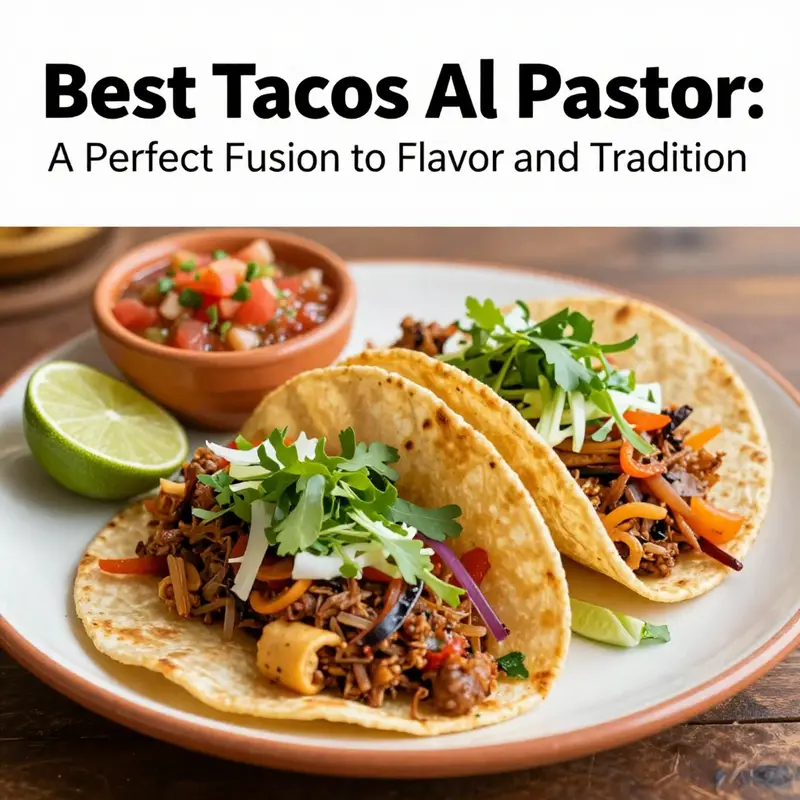
Tacos al pastor are a culinary emblem of Mexican street food, embodying a rich tapestry of cultural history and flavorful ingredients. This beloved dish showcases the fusion of Middle Eastern shawarma techniques and traditional Mexican flavors, resulting in a taco that’s both vibrant and complex. Business owners in the food industry can benefit immensely from understanding the heritage and preparation methods of this iconic dish. The following chapters delve deep into the culinary journey of tacos al pastor, revealing their origins and the critical techniques necessary to create them authentically.
From Shawarma to Street-Savory: A Living Heritage of Best Tacos Al Pastor
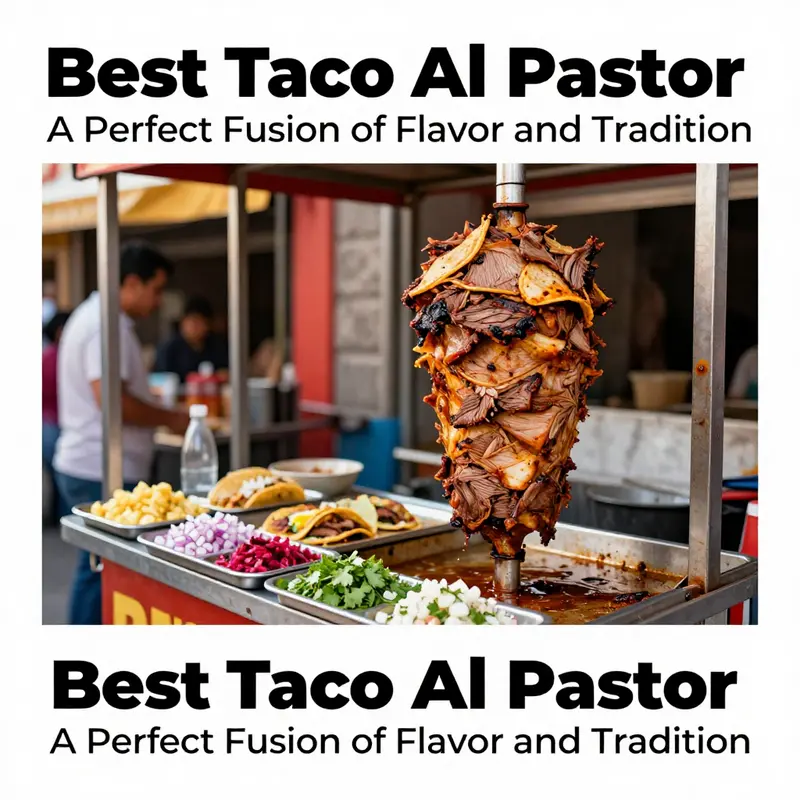
Tacos al pastor are more than a dish; they are a narrative carved in red, smoke, and citrus, a living testament to how culture travels, adapts, and settles into daily life. In markets and on sidewalks across cities and towns, this emblematic taco keeps rewriting its own story. Its journey begins in central Mexico, where a new wave of migration brought a Middle Eastern technique and a spirit of kitchen experimentation to a landscape already rich with corn, chiles, and lime. The result is a fusion that feels inevitable—not a compromise, but a conversation between continents, faiths, and the home cook’s palate. In the best renditions, the meat carries the memory of distant ovens and the immediacy of a street corner where families gather for a quick, soulful bite that tastes like history and today in the same breath. The core image of al pastor—a tilted, rotating spit turning slowly, a slab of pork roasting with an almost theatrical patience—belongs to the trompo tradition. Yet the evolution that makes it uniquely Mexican starts with the choice of protein and the color of the marinade. Lamb, once common in shawarma, gave way to pork because it was more accessible and economical in central Mexico. The fat and marbling of pork shoulder or similar cuts respond beautifully to a long, cool-to-warm marinade, which allows the flavors to permeate deeply while the meat remains juicy as it roasts. The red glow that coats the meat comes not from a single ingredient but from a tapestry of seasonings, most notably achiote, whose annatto seeds lend a sun-warmed pigment and an earthy, peppery base note. The spice blend is expanded with dried chiles such as guajillo and ancho, garlic, oregano, cumin, and a touch of cloves. The citrus—lime or a vinegar tang—brightens the mix and keeps the meat from feeling heavy, so every bite remains buoyant and vibrant. Pineapple sits at the heart of al pastor’s identity, not merely as a garnish but as a culinary partner that shapes texture and flavor in multiple ways. The fruit’s sweetness offers a counterpoint to the meat’s depth, a contrast that readers who savor a balance of heat and tang will recognize instantly. When the pineapple is grilled, its sugars caramelize and mingle with the meat’s exterior, creating a lacquer of savory-sweet edges that crackle as you bite. The enzymes in pineapple help tenderize the pork further, a natural aid that diners might feel in the tenderness of a perfectly roasted slice. This is not a one-note dish; it is a symphony in which smoke, sweetness, acidity, and a whisper of earthiness play off one another, each element sharpening the others. Cooking techniques honor the history while inviting contemporary kitchens to participate. The trompo remains the archetype. On a home grill, broiler, or skillet, the goal is to reproduce the same edge-of-crisp exterior and interior juiciness. The marinade works as a slow, generous bath, ideally overnight or at least several hours, allowing the pork to drink in the achiote paste’s color and the citrus’s brightness. When ready, the meat is seared or grilled to form a caramelized crust and then sliced thinly to crown a tortilla. The pineapple, sliced into discs or chopped into chunks, graces the pan and can be layered with the meat or served on top as a luminous, aromatic topping. The result is a taco that carries the day’s heat in a whisper and ends with a clean, citrusy finish that invites another bite. The tortilla—traditionally small corn tortillas—serves as the necessary conduit for texture and contrast. They’re warmed briefly to coax their natural sweetness and to hold the weight of the fillings without cracking. A simple garnish—finely chopped white onion and cilantro, with a squeeze of lime—transforms the combination into something brighter than the sum of its parts. The onion’s sharp bite, the cilantro’s herbaceous lift, and the lime’s acidity illuminate the meat’s smoky-sweet profile, turning every mouthful into a promise of more to come. In the best tacos al pastor, no single component dominates; instead, the balance feels intentional, almost musical, with each bite inviting the palate to notice a different note—the peppery warmth of the achiote, the citrus zing, the fruit’s caramel afterglow, or the fond that clings to the pan after roasting. For home cooks seeking an authentic echo of this heritage, a few practical truths help translate tradition into a modern kitchen. Start with a robust pork cut that has a balance of lean meat and fat to maintain moisture through roasting. Use a marinade that layers color and depth: achiote for warmth, dried chiles for depth and mild heat, garlic for a little bite, and lime or vinegar for brightness. Let it rest long enough to permeate. When it’s time to cook, the goal is gentle, even heat that encourages edge caramelization without drying the core. Pineapple slices or chunks should be grilled to bring out their sugars, then integrated with the meat so the sweet-tart aroma rises with every slice. And when you build the taco, treat it not as a snack but as a compact story: a vivid tortilla carrying a chorus of flavors, with the meat’s smoky edge playing against the pineapple’s gleam, and the onion and cilantro providing a crisp, herby finish. This chapter’s meditation on heritage isn’t merely about technique; it’s also about what al pastor reveals about Mexican identity in a global age. The dish embodies a dynamic of migration and adaptation, a culinary record of people who carried ideas across borders and, in turn, transformed them through local ingredients and sensibilities. The long refrigeration and slow roasting that define the traditional preparation mirror a larger cultural memory: patience, attention to detail, and reverence for the ingredients’ natural traits. The result is a food that travels well, travels far, and still tastes like a local street corner on a warm afternoon. In this sense, the best tacos al pastor are not just about achieving the right texture or the perfect flame; they are about honoring a layered past while inviting new experiences in every bite. Readers who chase the most compelling versions often learn to trust the balance between technique and instinct. The marinade’s color should glimmer with an earthy red hue, the meat should arrive at a tenderness that feels almost unhurried, and the pineapple should offer a brief, aromatic kiss of caramel that lingers in the memory after the last bite. When all of these elements cohere, the taco becomes a doorway to a broader conversation about how cuisines evolve—and how communities retain a sense of place even as they cross oceans and generations. The history behind the flavor adds a layer of meaning to every bite, turning a street staple into a chapter of cultural memory that is both celebratory and instructive. It is no accident that al pastor has become a touchstone for discussions about authenticity in a global kitchen. To taste it is to sense the exchange that shapes nations, markets, and families in quiet, delicious ways. For those exploring the path toward what they might call the best tacos al pastor, the search invites a broader curiosity about sourcing, technique, and timing. It is less about chasing a rigid recipe and more about embracing a tradition that invites personal interpretation while respecting core elements: the marination that colors the meat, the spit-roast method that renders edges crisp and centers tender, the pineapple’s sweet counterpoint, and the simple, bright finishing notes of onion, cilantro, and lime. As you journey, you begin to notice how the dish acts as a flavor passport—one that opens doors to other regional twists and to stories of immigrant kitchens that transformed a local street into a global table. For those who want to feel that continuity in a single bite, the invitation is simple: seek out the versions that honor the lineage and honor the bite that follows, a balance of heat, brightness, and savory depth that lingers with satisfaction. To place this exploration in a broader context and to connect with readers who long for a tangible sense of place, consider the practical, local pathway to discovery: Best Al Pastor Tacos Near Me. In the spirit of historical curiosity, the story of al pastor is not only about the meat on the plate, but about the communities, neighborhoods, and kitchens where it continues to be reimagined. For a deeper, scholarly lens on origins, evolution, and flavor, the Smithsonian’s exploration of tacos al pastor provides an authoritative map of how an international technique found a home in Mexico, evolving into a beloved emblem of the nation’s culinary identity. See https://www.smithsonianmag.com/arts-culture/history-tacos-al-pastor-180978346/ for a detailed look at its origins and significance. The ending palate of al pastor is, in that sense, not a destination but a doorway—one that invites ongoing tasting, listening, and learning as the dish travels with people who refuse to be paralyzed by borders and who savor the shared joy of a perfectly roasted, pineapple-bright bite.
From Adobo to Flame: Mastering the Preparation Techniques for the Best Tacos Al Pastor
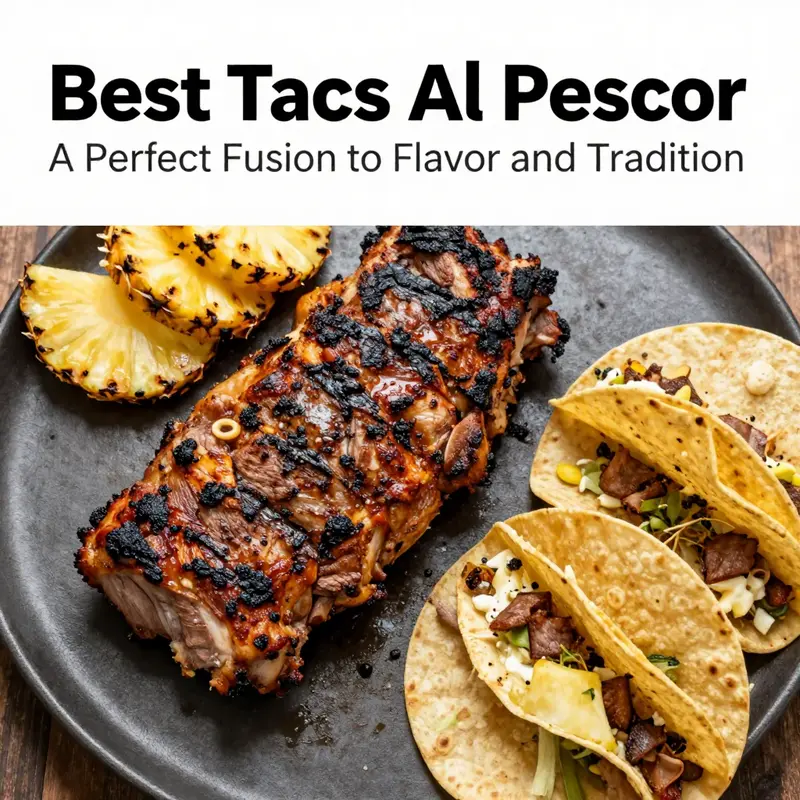
The path to a memorable taco al pastor begins not at the table, but in the kitchen where fire, patience, and a few precise ingredients meet. The dish is a study in contrasts: a lean, succulent pork that bears the kiss of a red, aromatic adobo, complemented by the bright tang of lime and the soft sweetness of grilled pineapple. The preparation techniques pull and balance these contrasts into a single, cohesive bite. Central to that balance is the adobo itself, a marinade that does more than color the meat; it tenderizes, layers, and lingers. Dried guajillo and ancho chiles lend depth and a mild heat, while achiote seeds give the dish its characteristic reddish hue and earthy, slightly nutty aroma. Garlic, citrus juice or vinegar, cumin, oregano, and a touch of sugar or fruit juice create a chorus of flavors that harmonize with the meat’s natural richness. The pineapple juice, often incorporated into the marinade, plays a double role: it introduces a gentle sweetness and, through bromelain, helps soften the pork fibers so that the finished slices remain juicy even after high-heat cooking. Allowing the meat to bathe in this adobo for at least four hours, ideally overnight, is more than a step—it is the act that crystallizes the dish’s intent. The meat’s marbling invites moisture to stay in during roasting, and the enzymes in the fruit pair with the enzymes in the meat to tenderize in a way no mere seasoning can achieve.
To truly appreciate the best tacos al pastor, the methods of cooking must honor the marinade while acknowledging the realities of home kitchens. The traditional trompo, a vertical spit, is a dramatic symbol of the dish’s origins, where meat slowly roasts and self-bastes as juices drip into a steady rhythm. But a home cook does not need a dedicated skewer to capture that same essence. A hot grill, a broiler, or a well-oiled skillet can replicate the crucial elements: high heat, rapid browning, and a crust that whispers of caramelization. The key is to work in batches, avoiding overcrowding. When meat is crowded, it steams rather than sears, and the desired smoky crust never forms. Instead, lay the marinated pork in a single layer on a hot surface, turn once or twice to develop a deep, bronzed crust on all sides, and slice thinly against the grain once the edges glow with a crisp edge. This creates a tapestry of textures: crisp exterior edges, juicy interior, and those delicate, almost velvety slices that come from the slicing technique itself.
Pineapple is not an afterthought but a partner in the performance. Grilling or searing pineapple alongside the meat concentrates its sugars, turning it caramel amber and imparting a peppered sweetness that cuts through the chili- and smoke-forward meat. This grilled fruit can be served on top of the tacos or folded directly into the pan with the meat, allowing the juices to mingle with the adobo and enhance the overall sauce-like glaze that clings to the surface of each slice. The importance of pineapple goes beyond taste; its natural enzymes gently break down proteins, contributing to a tenderness that stands up to the bold flavors without becoming mushy or overpowering. The result is a bright, almost tropical echo of the dish’s origins that never intrudes but always accompanies.
When assembling, warmth is as essential as flavor. Small corn tortillas, heated just enough to prompt a faint pliability, provide a soft, whet-hour of texture that complements the meat’s bite. A modest heap of the shaved meat, a crown of pineapple, and a scatter of finely chopped white onion and fresh cilantro—these are not mere toppings but punctuation marks in a sentence of flavor. A squeeze of lime adds brightness, offering a quick acidity spike that resets the palate after each bite. The balance of textures—crispy edges from the sear, the tender meat within, the juicy pineapple, and the crisp bite of onion and cilantro—creates a chorus of sensations under the roof of a single tortilla. It is this mosaic that makes a great taco al pastor more than a flavor; it becomes an experience of aroma, heat, and balance in every mouthful.
For cooks looking to draw a straight line from marinade to plate without the trompo’s drama, the craft still rewards discipline and timing. Begin with a robust adobo, give it a long but comfortable rest, and then respect the heat. Preheat a grill or broiler to high, oil the grate or pan to keep the meat from sticking, and avoid moving the meat too often. The aim is a crust that slightly resists the bite, a kiss of smoke, and a tender interior that remains juicy even after slicing. If using chicken instead of pork, the same principles apply, but adjust the marination time to account for the different structure of poultry; the pineapple still plays its tenderizing, flavor-balancing role, and the result should sing with savory, spicy, and sweet notes in equal measure.
The pineapple’s role can be extended in the kitchen through careful timing and placement. Some cooks prefer to grill the pineapple first, remove it, and then reintroduce it near the end of the meat’s sear. Others lay the grilled fruit atop the meat as it finishes so the juices mingle with the pan fond, creating a glaze-like sheen that clings when you lift a tortilla. Either approach keeps the pineapple from overpowering the dish while preserving its essential function as a counterpoint to the adobo’s heat and the meat’s savoriness. The objective is not to have pineapple dominate but to harmonize; you want each bite to reveal the interplay of heat, acidity, and sweetness balanced by a hint of earthiness from the spices.
Consider the broader culinary arc this dish travels. The technique embraces both tradition and adaptability, honoring a historical technique while inviting modern kitchens to reproduce it with common tools. The result is not a facsimile of a street-vendor treasure but a respectful, exciting interpretation that preserves the core identity of al pastor while making room for personal interpretation. The best tacos al pastor reward curiosity—the willingness to test batch after batch, to adjust the sweetness of the pineapple, or to nudge the heat with more guajillo or a touch more cumin until the sauce sings in harmony with the meat. In this spirit, a suggested route for home cooks is a deliberate, iterative approach: refine the adobo’s balance, test different ratios of chile to achiote, then compare outcomes between a straight grill finish and a broiled, crust-focused finish. With each iteration, the dish reveals new facets of its character, yet the essence remains intact: a roasted, spiced, pineapple-bright pork that rests easily on a warm corn tortilla.
For readers seeking a tangible touchstone as they refine their technique, a rendition hosted under a familiar name offers a practical example of how these elements cohere in a single, delicious taco. A version you can explore further at tacos-el-pastor-del-rica. That reference point illustrates how the same principles translate across kitchens and styles while maintaining respect for the dish’s lineage. It is the intersection of technique and tradition, a reminder that the best tacos al pastor emerge where patience, heat, and a pineapple’s bright balance converge on a small, warm tortilla.
As you deepen your practice, look beyond the plate to the sensibilities that inform it. The craft is not merely about a recipe but about a way of cooking that embraces heat with restraint, time with purpose, and ingredients that speak to one another. The adobo’s red glow, the pork’s succulent bite, and the pineapple’s fresh motif are all signals of a larger culinary conversation—the dialogue between culture, technique, and taste. The goal is not to imitate but to participate in that conversation with authenticity and confidence, to deliver a taco al pastor that feels both familiar and excitingly new with every bite. In this way, preparation becomes a living practice, a continuous refinement of heat management, ingredient balance, and the art of serving slices that arrive on a tortilla with the promise of complexity, brightness, and warmth.
External resource for deeper technique: https://www.oaxacanculinaryinstitute.org/tacos-al-pastor-guide
Final thoughts
The art of making the best tacos al pastor is a blend of history and technique. Understanding the cultural roots and the necessity of proper ingredient preparation offers a significant advantage to business owners aiming to attract customers with authentic flavors. By mastering these techniques, you not only honor the culinary traditions but also elevate your establishment’s offerings. Dive into the world of tacos al pastor, and let this timeless dish captivate your audience.

