
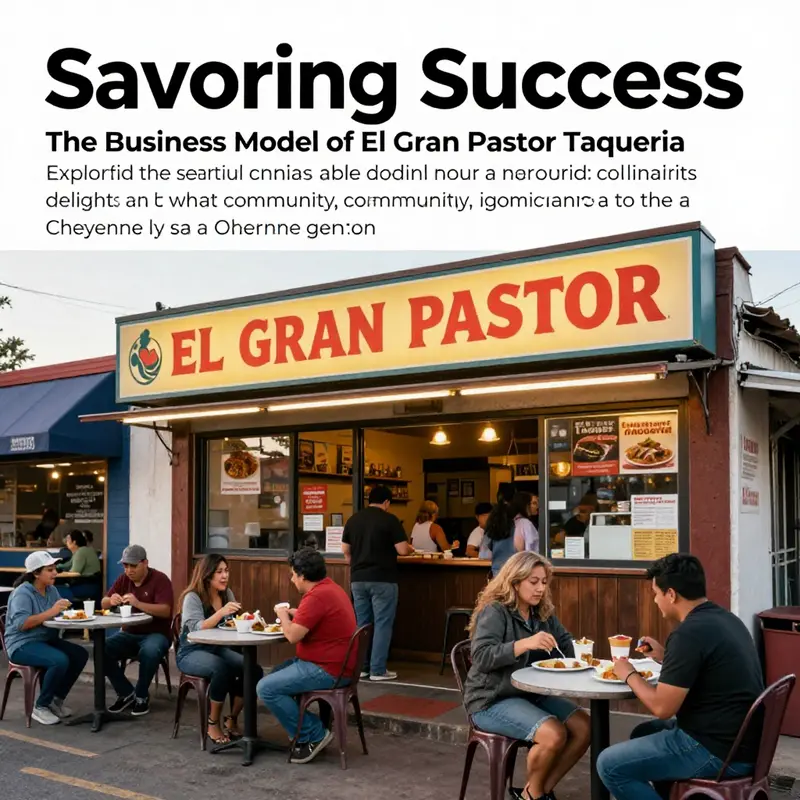
Nestled in the heart of Cheyenne, Wyoming, El Gran Pastor Taqueria stands out as a beacon of gastronomy and local culture. This beloved Mexican fast food establishment not only serves some of the region’s most flavorful tacos but also embodies a business model that thrives on community engagement and customer satisfaction. By examining its menu offerings and the dining experience, alongside customer insights, we can uncover the critical factors that contribute to El Gran Pastor’s enduring success and its positive impact on the local economy. In the chapters that follow, we will delve deeply into the menu and dining experience at El Gran Pastor Taqueria, as well as the invaluable customer insights and community connections that define its reputation.
Trompo, Tacos, and a Cash-Only Rhythm: The Menu and Dining Experience at El Gran Pastor Taqueria
The first thing you notice when you step toward El Gran Pastor Taqueria is the rhythm of the street in Cheyenne, a city strip that suddenly feels a little warmer, a little louder, a little more alive. The taqueria sits along Cheyenne’s daily travel, its storefront modest but inviting, its hours a promise to anyone hunting for a quick, satisfying bite. The address at 1408 S Greeley Hwy places it squarely in the flow of local life, a place where neighbors nod hello and out-of-towners pause for a moment to listen to the sizzle. Inside the casual, cash-only world, the air is heady with a mixture of roasted meat and citrus—the kind of aroma that makes a line feel less like a wait and more like a shared anticipation. The café-like counter and the open-air setup invite you to linger, even as you are drawn forward by the quick, efficient choreography of hands at work and the constant rotation of the trompo, the vertical spit that stands like a totem of the dish most associated with this place: al pastor.
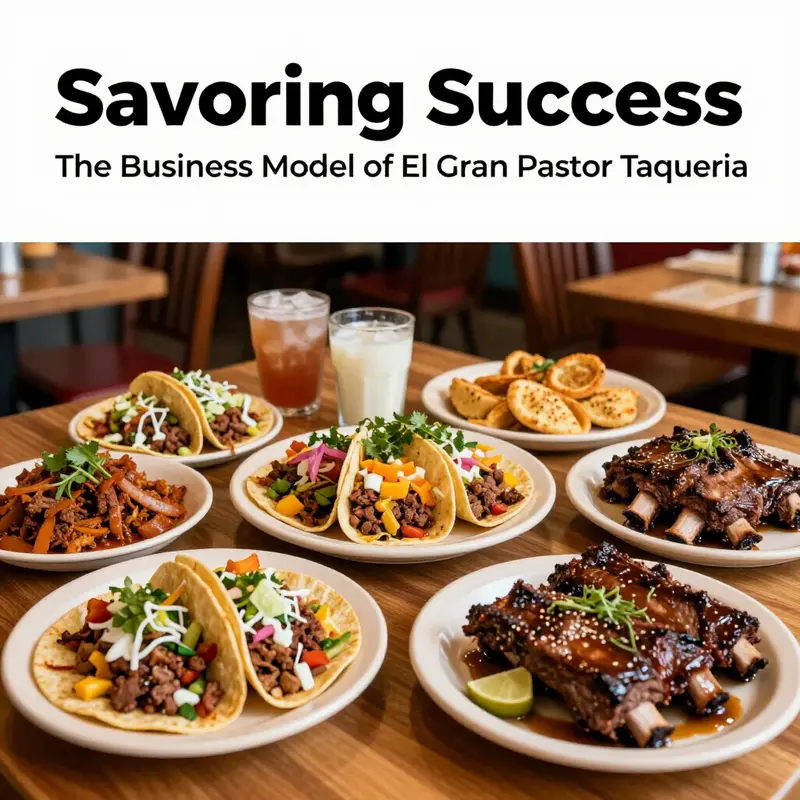
The centerpiece of the menu is the al pastor, though it is not simply a single item; it is a method, a performance, and a flavor profile that has traveled far from its origins to settle into a local, fast-food rhythm. The pork is marinated and slow-roasted on the trompo, a process that carves the meat off in thin, caramelized slices when it reaches the crisp edge of the spit. Each order arrives with a small, bright rectangle of pineapple, and with it comes the balance that makes al pastor sing: the sweetness of pineapple meets the savory, gently spiced pork, a chorus that is set against the clean bite of fresh cilantro and the sharp freshness of onions. The tortillas are double-soft, a deliberate choice that keeps the filling intact and the flavors in focus, a kind of edible stage where the pork and pineapple perform in harmony rather than compete with one another.
What makes the experience deeply satisfying is not only the star turn of the al pastor but the way the kitchen preps a wider cast of traditional street-food favorites. The carnitas, for instance, arrive with tenderness that hints at a slow, patient approach in the kitchen, pork cooked in its own fat until the meat becomes both lush and crisp at the edges. The result is a bite that carries fat-rich depth alongside a delicate crackle, the salsa verde or macha providing a sharp, herbaceous brightness that cuts through the richness with the ease of a seasoned guide showing you the way forward. Then there are the chicharrón tacos—crispy pork belly rendered to a satisfying crunch, a textural counterpoint that brings a welcome bite to the lineup. Each of these options uses the same soft-corn tortilla philosophy, a consistent platform that allows the meat to shine without distraction. The menu is rounded out by tortas, hearty sandwiches that layer meat with avocado, cheese, and pickled vegetables—comfort food perfected for when a longer, more substantial meal is desired—and the broader family of trompo-based offerings, which invites guests to explore different cuts and preparation styles wrapped in the same tortilla warmth.
The dining setting reinforces the flavors rather than overshadowing them. The taqueria often functions with the carefree practicality of a food truck or a simple open-air stall. Guests sit at picnic tables under the sky, watching the cook work in a small, bright space where metal and flame feel almost ceremonial. This atmosphere matters because it aligns with the way the food is designed to be consumed: quickly, without ceremony, yet with a sense of shared ritual. People come for the speed—the line moves, the hands fly, and the tacos appear in a matter of minutes—yet they stay for the sense that they are part of something broader than a single meal. The casual setting encourages conversation, the kind of chatter that happens when friends and strangers discover they share a taste for the same signature dish. It is a place where locals return not out of habit alone but out of a sense that the menu, the pace, and the space all fit together like a well-tuned instrument.
Pricing and portions play a crucial role in shaping that sense of belonging. The kitchen keeps portions generous and prices approachable, a combination that makes the taqueria feel like a reliable stop for a quick lunch, a casual dinner, or a late-night craving that won’t strain a budget. The emphasis on affordability is not about cutting corners; it is about delivering a satisfying meal that respects time and appetite. A single order of the iconic tacos can feel like a complete meal for many, with meat that carries the day’s work of preparation, the sun-warmed tortilla, and the finishing brightness of onion and cilantro. The carnitas and chicharrón, when chosen, offer a deeper dive into texture and richness, with the salsa varieties acting as the ideal counterbalance—green salsa’s herbaceous lift or a macha’s smoky heat providing a steady hand on the scale of flavor. The tortas, a more filling option, let a guest linger longer at the table, the avocado and cheese merging with the meat in a way that turns a quick bite into a satisfying, almost nostalgic experience.
An essential aspect of the El Gran Pastor Taqueria experience is the cadence of service. The restaurant is cash-only, a fact that travelers sometimes discover only after stepping into the queue. That constraint contributes to a pace that many locals find comforting: you line up, you order, you watch the al pastor spin on its throne of flame, and you receive your food with efficiency that makes even peak hours feel manageable. There are no reservations, which means the line is a predictable part of the day rather than an obstacle to be feared. Yet the objective is never to rush customers out the door; it is to maintain a flow that respects the craft behind each dish and the shared enjoyment of the moment. People talk as they wait, exchange recommendations, and validate the simple pleasure of a hot taco in a world that often rewards speed at the expense of savor. In this light, the cash-only policy becomes less a limitation and more a reminder of the restaurant’s fidelity to a traditional model of service—a quick, respectful exchange that honors the time it takes to roast and plate without ornamentation.
For those who care about the full arc of a dining experience, the internal arrangements of the menu matter as much as the taste. The al pastor tacos are the anchor, but the menu’s breadth invites curiosity and balance. If a guest begins with the al pastor, the next moves toward carnitas or chicharrón can feel like a small, personal tasting tour. The tortillas, warmed just enough to release their subtle corn sweetness, act as a neutral canvas that lets the meat’s character come through clearly. A bit of cilantro and onion adds a fresh, peppery lift, while a squeeze of lime—if it appears in your order—brightens the plate without dominating the meat’s memory. The salsa options—green for brightness and macha for a deeper, peppered heat—offer a way to modulate every bite, to tailor the experience from a quick snack to a more deliberate, extended meal. Even the construction of the sandwich-style torta demonstrates the same intent: sturdy bread, a balance of textures, and a combination of pickled vegetables and avocado that creates a mouthful of satisfaction that lingers beyond the last bite.
The cultural resonance of El Gran Pastor Taqueria’s menu and dining format cannot be separated from the tangible details—the location, the setting, the sound of spatulas and sizzling oil, the sight of a spit turning steadily as the day wears on. It is a place where tradition and practicality walk hand in hand, where the everyday act of eating becomes a small, communal ceremony. In that sense, the dining room becomes less about a single meal and more about an authentication of flavor—the way a simple combination of marinated pork, a crisp tortilla, and a handful of fresh toppings can embody a history of street-food evolution and a present-day commitment to speed, accuracy, and comfort. The experience is not flashy; it is robust and enduring, the kind of meal that makes you generous with your time and your appetite, the kind that makes you want to return and try the variations again to hear the same chorus of flavors in a slightly different key.
For readers who want a peek behind the curtain of this flavor-driven place, there is a deeper map to consult. An internal guide to the broader family of dishes rooted in the same technique can be found here: tacoselpastor page. It offers context for how the al pastor style travels across kitchens yet remains faithful to a core method. While this chapter focused on the Cheyenne storefront and its immediate sensory world, the lineage is universal enough to resonate with anyone who has stood in line, watched the spit spin, and tasted a bite that instantly makes the day feel simpler and more satisfying. If you seek a broader perspective on the al pastor tradition and its variations, a widely read compilation can be found online, which offers a broader sense of how one form of street food translates across cities and cultures: https://www.yelp.com/biz/taqueria-el-gran-pastor-houston. This external reference helps situate the Cheyenne experience within a larger tapestry of similar taquerias, each adding its own local glow to the shared craft of turning meat and flame into a community ritual.
In the end, the menu at El Gran Pastor Taqueria operates as much as a social map as a culinary one. The dishes invite you to test a spectrum of textures and flavors, all anchored by the central promise of speed, affordability, and abundance. It is a reminder that a busy street corner can conceal a quiet epicenter of tradition, where the trompo’s slow turn and the tortilla’s soft embrace coalesce into meals that feel both immediate and timeless. The dining experience here rewards patience and curiosity in equal measure: you watch the spit, you hear the sizzle, you taste the lineage. And when you finally bite into a well-assembled taco and feel the balance settle in your palate—the sweet heat of roasted pork, the crisp edges, the herbaceous lift of cilantro and onion, the cool snap of salsa—you understand why locals queue, why visitors linger, and why a cash-only rhythm can still feel generous in a city that welcomes both the familiar and the adventurous.
Tasting Belonging: Customer Journeys and the Community Pulse at El Gran Pastor Taqueria
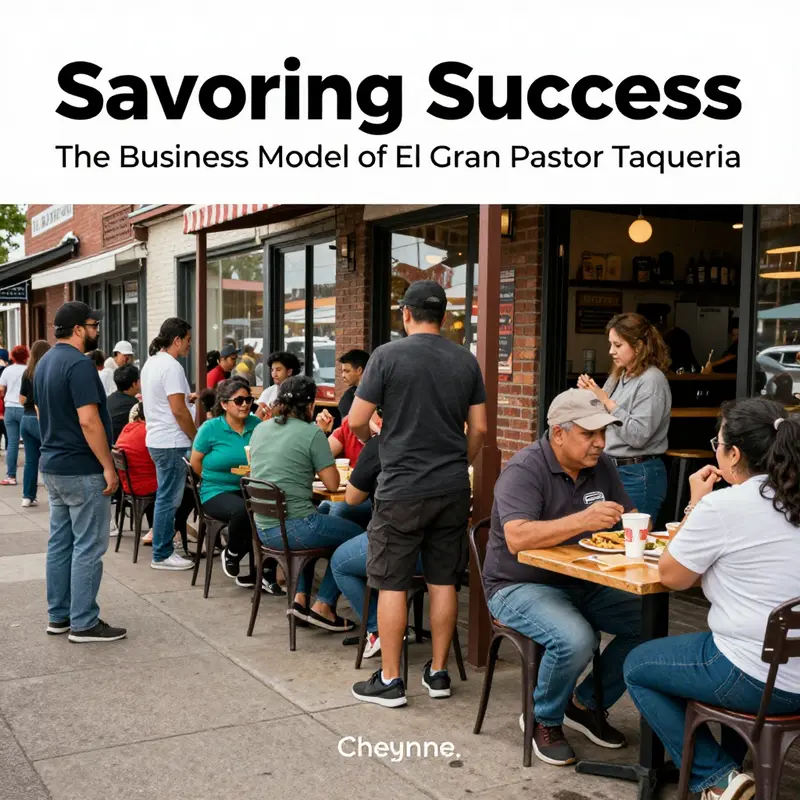
In Cheyenne, where the pace of daily life often moves between ranch land echoes and city-adjacent itineraries, El Gran Pastor Taqueria sits at a curious crossroads of culture, economy, and everyday ritual. The restaurant, located at 1408 S Greeley Hwy, Cheyenne, WY 82007, has earned a following by turning humble possibilities into meals that feel generous in both portion and spirit. From the outside, the storefront might resemble a quick-service stop, yet inside the rhythm of the service reveals a more deliberate sense of place. The cash-only policy, a practical holdover from earlier days of family-run taquerias, does not merely constrain transactions; it structures a shared moment among neighbors, workers, and curious visitors who line up with the confidence that the wait is part of the experience. Queues become informal social spaces where people exchange stories, trade tips about weekend plans, or compare notes on preferred fillings. In a city that prizes efficiency, El Gran Pastor manages to convert potential friction into a sign of authenticity, a reminder that the best taquerias demand both patience and appreciation for the craft behind every bite.
The menu’s crown jewels—slow-cooked carnitas tucked inside double soft corn tortillas and the robust, bone-in costilla de res—anchor the dining experience in a way that feels both timeless and local. Carnitas, when prepared at the right low heat and for the right duration, release a sweetness that mingles with the bright tang of lime and the warmth of cilantro. Double tortillas act as a culinary safety net, catching juices and sauces in a way that invites long, satisfying bites rather than quick, cleanup-free sprints. It’s a practice that mirrors the broader ethos of the eatery: food should feel abundant, satisfying, and accessible without demanding a premium price. The bone-in beef ribs, or costilla de res, introduce a contrasting texture and a deeper, more caramelized nigh-sweetness from the gentler Maillard browning that occurs in a well-tended kitchen. A bite that starts with dense richness can give way to a surprisingly delicate finish when the meat parts cleanly from the bone. This balance—between richness and ease, between indulgence and everyday practicality—appears to be precisely what keeps locals returning.
From a customer-insight lens, the available research does not reveal a granular map of individual experiences at El Gran Pastor Taqueria. The local Cheyenne market is nuanced, and customer sentiment often lives in the margins of restaurant lore: a whispered nod from a long-time regular, a quick thumbs-up from a traveler who found the place by chance, or the shared joke about a predictable queue that nonetheless signals a dependable rhythm of service. In the absence of explicit customer-satisfaction data for this specific taqueria, it is still possible to glean meaningful patterns by examining comparable micro-communities that share similar geographies, pricing strategies, and culinary emphases. A relevant parallel comes from Taqueria El Buen Pastor in Las Vegas, a downtown hub where the taco you order is as much a doorway into cultural memory as it is a meal. There, a body of reviews—53 critiques with an average rating around 4.3 out of 5 as of December 2020—suggests that authenticity, value, and consistent quality yield positive word of mouth. The favorable feedback highlights several intertwined signals: the restaurant’s ability to deliver what customers expect from genuine Mexican snacks, the perceived fidelity of flavors to regional traditions, and the decisiveness of value for money in a landscape where such balance can easily tilt toward either indulgence or austerity. While one city’s experience cannot be mapped one-to-one onto another, the Las Vegas example helps illuminate how a taqueria can become a trusted waypoint for both residents and visitors who crave “home” in the form of a well-made taco.
El Gran Pastor, within its Cheyenne context, appears to cultivate a similar social contract. The cash-only model, for instance, is not merely a cost-saving tactic; it is a cultural marker that signals a grounded, hands-on approach to business—one that many customers interpret as honest, unpretentious, and authentic. It keeps the operation intimate and legible: a small business that knows its margins, its customers, and the way the line can knit a community together over time. The queue, rather than being a nuisance, becomes part of the shared experience—an unspoken pact that the meal will be rewarded with not just fullness but a sense of belonging. In a region where immigration stories, labor markets, and local economies intersect in complex ways, such eateries function as informal community centers. People come for the food, yes, but they stay for the sense of continuity they find in a place that offers consistent flavors, predictable portions, and an atmosphere that invites conversation rather than distraction.
The dishes themselves serve as a narrative of cultural adaptation and culinary craft. Carnitas, slow-cooked to coax out the fat’s silky sheen, marry with the corn’s sugar and the lime’s brightness to create a profile that travels well from weekend dinner to lunchbox staple. The double tortillas are a practical innovation, reinforcing the meal’s heartiness while providing a tactile pleasure—the soft crack of the tortilla yielding to a tender, savory filling, followed by a gentle squeeze of salsa that brings acidity into relief. The costilla de res, with its bone-in structure and richly seasoned exterior, offers textured contrast and a savoriness that lingers. These choices are not merely about price or speed; they map a culinary philosophy that values robust flavors, generous portions, and a sense of abundance that invites shared plates and lingering conversations. In a town where families, laborers, students, and travelers converge, such a philosophy translates into more than satisfaction—it becomes a ritual that marks the day and builds memories around the table.
In trying to understand customer insights through the lens of this Cheyenne taqueria, one can also consider how the community absorbs and disperses value. The affordability of the menu is a central pillar. When a meal can deliver substantial portions at a price point that respects diverse budgets, it broadens access to a familiar, comforting cuisine. In many American regional markets, the presence of a well-priced Mexican fast-casual option helps counterbalance the rising costs of dining out. It creates a sustainable loop: customers return because they know they can feed themselves and their families without a fear of overspending; the restaurant thrives on steady, repeat business; and nearby merchants benefit from the traffic generated by a known culinary anchor in the area. The Cheyenne locale, with its mix of long-standing residents and newcomers seeking authentic flavors, rewards places that stay the course with consistency, whether in meat tenderness, salsa brightness, or tortilla texture. In such a system, a customer’s first impression—whether it is a quick service interaction or a more extended meal with friends—often ripples outward, shaping future visits and recommendations.
The community impact of El Gran Pastor Taqueria, though not exhaustively documented in formal studies within the available materials, can be inferred from the broader patterns seen in comparable neighborhood taquerias. A downtown or retail corridor benefits when a single, well-regarded eatery becomes a reliable source of hearty, affordable meals. It can anchor lunchtime rhythms, attract passersby who might not otherwise explore Mexican street-food fare, and sustain employment through the daily operations of the kitchen, front-of-house, and maintenance teams. The practical realities of a cash-only business—while potentially limiting for some customers—also reinforce a sense of directness in commerce. There are no credit-card fees to chase, no complex digital prompts to navigate; there is simply an exchange that leads to nourishment and a shared moment. This directness can be comforting in a community that values straightforward, honest business practices, especially in regions where food serves as a bridge between generations and cultural backgrounds.
From a cultural-identity perspective, El Gran Pastor Taqueria stands as a node where traditional techniques meet regional American appetites. The slow-cooked carnitas and bone-in ribs evoke memories of family kitchens across Mexico and its diaspora, while their interpretation in Cheyenne—paired with accessible pricing and friendly, efficient service—helps shape a local narrative about Mexican cuisine as an everyday, welcoming option rather than an occasional novelty. The dining scene in such a city benefits when there is a consistent voice offering flavors that feel both authentic and adaptable. In this sense, the taqueria helps expand the gastronomic map of Cheyenne, inviting people to explore a sense of belonging that goes beyond the plate. It is about discovering a place where strangers can become regulars, where someone can learn the menu’s rhythm, and where the shared texture of tortillas and the warmth of a well-seasoned carne can translate into a quiet, communal gratitude for the nourishment that daily life requires.
For readers seeking a broader frame of reference on how pastor-inspired offerings travel and resonate across markets, a related resource provides helpful context about similar expressions of the genre. See the linked page on Tacos El Pastor for a concise look at how these flavors travel and adapt, offering a useful lens for understanding the potential cross-market appeal of El Gran Pastor Taqueria. Tacos El Pastor.
Finally, to appreciate the broader community conversation around authentic Mexican dining experiences and how they are received in different urban settings, many readers turn to independent reviews and traveler accounts. A recent external reference that captures the spirit of this genre, though focused on a different city, underscores how consistent quality, accessibility, and cultural resonance contribute to a taqueria’s sustained impact. For context, you can consult this external resource: https://www.tripadvisor.com/RestaurantReview-g317958-d16957355-Reviews-TaqueriaElBuenPastor-LasVegasNevada.html. This link serves as a comparative touchstone rather than a direct claim about El Gran Pastor Taqueria, illustrating how similar venues cultivate community trust and customer loyalty through flavor, value, and a reliable dining experience.
Final thoughts
El Gran Pastor Taqueria is more than just a restaurant; it is a case study in the power of community engagement and culinary excellence. Through its generous portion sizes, affordable pricing, and signature menu offerings, the taqueria has carved a niche within both the local scene and the broader market. Its commitment to cash-only transactions and quick service appeals to a wide range of customers, from busy locals to adventurous visitors. Understanding how El Gran Pastor Taqueria integrates these elements into its business model offers valuable insights for aspiring restaurateurs and existing business owners striving for success in a competitive environment. As we celebrate its achievements, one can only anticipate the continued growth and influence of this Cheyenne hallmark.

