
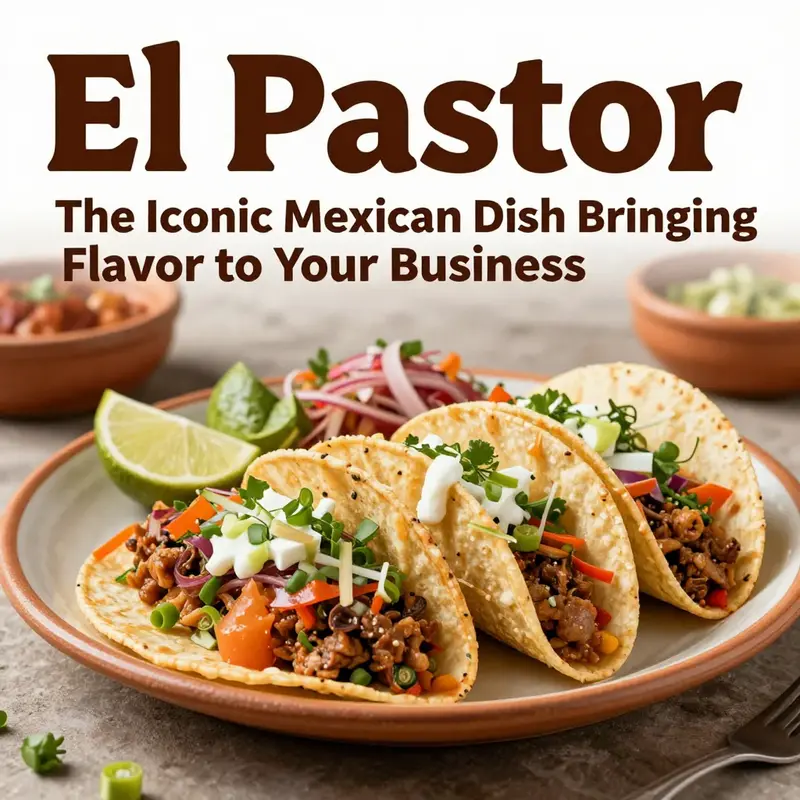
The rich tapestry of Mexican cuisine is woven together by its diverse array of dishes, each telling a story of cultural heritage and culinary ingenuity. Among them, El Pastor stands out as an emblem of vibrant flavors and unique preparation methods that captivate diners around the world. Its roots in Middle Eastern cooking, particularly shawarma, reflect the fascinating cultural exchanges that have enriched Mexican gastronomy. This article will delve into the historical origins, intricate preparation techniques, and cultural significance of El Pastor, providing business owners insights into how to leverage this beloved dish for culinary success in their establishments.
From Shawarma to Street Tacos: The Storied Origins of El Pastor
The first pivot was the choice of meat. Lamb was swapped for pork, a readily available and deeply flavorful canvas that could absorb bold spice and sing with the grilled sweetness of caramelized edges. The marinade that followed was less a single note and more a chorus—a blend that could ride the heat and still retain the meat’s succulence. At its core sits achiote paste, whose deep orange hue owes its glow to annatto seeds, lending the pork its signature color and a warm, earthy aroma. Dried chiles, notably guajillo and ancho, mingle with garlic, vinegar, and a constellation of spices such as cumin, cinnamon, and cloves. The result is a pork that carries a tangy brightness, a gentle woodiness, and a hint of spice that invites another bite rather than a finish. This is not a mere marinade; it is a technique that teaches meat to drink in time the flavors that surround it, to become part of a larger conversation on the plate.
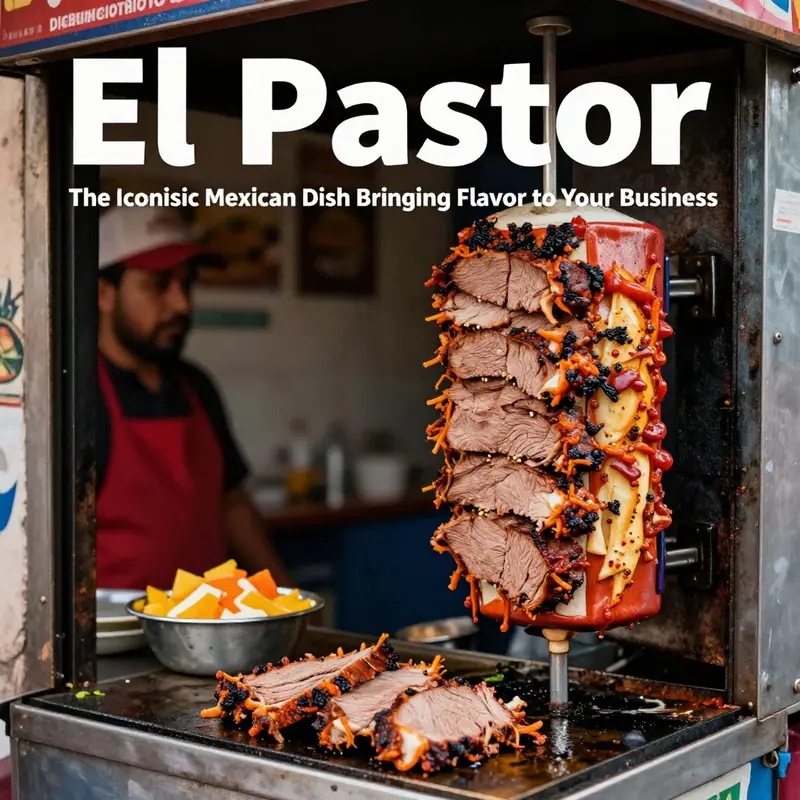
Yet the evolution did not stop with spice alone. The most defining modern twist—pineapple perched at the top of the trompo—did more than sweeten. As the spit turns, the pineapple caramelizes, its sugars dripping down into the roasting meat and imparting a tropical gloss that ties the savory, peppery, and smoky notes into a single, lyrical bite. The pineapple also assists in tenderization, a practical side effect that accentuates the pork’s natural succulence. Because everything happens on a vertical stage, the outer layers repeatedly meet the heat, forming a lacquered crust while the inner layers stay juicy and pinkish at the core, ready to be shaved into thin, glistening slices.
To serve, cooks lay those slices on soft corn tortillas, the warmth of the tortilla coaxing out the meat’s perfume. A quick handful of chopped onions and cilantro adds a green, peppery lift, while a squeeze of lime brightens the ensemble just enough to wake the senses without overpowering the depth of the meat. The combination is a balance of savory, smoky, tangy, and sweet—an alchemy that speaks of street corners and family kitchens, of hands that have learned to coax flavor from fire, patience, and shared recipes passed down through generations.
This origin story is not merely a tale of technique; it is a narrative of adaptation and integration. In Puebla and then Mexico City, the dish found its home among taquerías that valued speed, texture, and boldness. The trompo, the pineapple, and the achiote marinade became symbols of a cuisine that could honor its roots while inviting the world to taste its evolution. As the dish traveled beyond national borders, it encountered new palates and new interpretations, yet the core idea remained intact: a vertical roast that delivers thin, caramel-laced slices folded into warm tortillas, with the aroma of a lineage still steaming at the table.
For readers who want a closer look at the traditional form and a window into the taqueria culture that sustains el pastor, Pastor Taqueria offers a tangible link to the living history of this dish. The way a spit turns, the rhythm of the shave, and the interplay of heat and spice are not just culinary steps; they are a performance, a ritual of flavor that continues to shape what we eat and how we eat it.
As Mexican cooks and restaurateurs continue to carry this history forward, the dish remains a vivid reminder of the power of culinary cross-pollination. The Lebanese technique found a home in a land abundant with corn, chiles, and citrus—ingredients that gave el pastor its distinctive voice. In kitchens across the globe, chefs honor that lineage by respecting the method—the slow turn, the caramelization, the pineapple’s gentle sweetness—while allowing room for local interpretation. The result is not a copy of shawarma or a simple variation on a taco; it is a legacy in motion, a story told bite by bite across markets, families, and streets that still listen for the sound of the trompo in the evening air.
For deeper context on how these threads came together and how the dish sits within the broader fabric of Mexican cuisine, this lineage is elegantly summarized in respected culinary histories. For a concise external exploration, you can read Britannica’s overview of al pastor at https://www.britannica.com/food/al-pastor.
Flame, Pineapple, and the Spiral of Flavor: The Craft of El Pastor in Mexican Street Cuisine
The scent of al pastor rises like a signal flare from a street corner taquería, a beacon of color, heat, and time-honed skill. This dish, rooted in central Mexico and refined over generations, invites us to follow a path that begins with transformation and ends in a shared bite of joy. Lebanese immigrants brought the vertical rotisserie technique, known locally as the trompo, and Mexican cooks answered with their own choices: pork in place of lamb, a bold red adobo, and the bright counterpoint of pineapple. What emerges is not a mere adaptation but a new tradition that speaks across borders and plates. The marinade binds the story together. Achiote paste lends color and earthy depth, mingling with dried guajillo and ancho chiles for heat and complexity. Garlic provides bite, cumin adds warmth, and vinegar with citrus brightens every layer. The result is a sauce that clings to pork while inviting the natural sweetness of time and heat to work in harmony.
Pork shoulder or butt, prized for its fat content and succulence, becomes a canvas for this adobo. The meat is layered with spices and left to soak for hours, sometimes overnight. The slow infusion allows the citrus and vinegar to tenderize while the chilies release their smoky perfume. Pineapple, placed at the crown of the trompo, performs a dual magic. As it caramelizes, it drips sugary nectar onto the meat, coaxing a gentle sweetness that counterpoints the spice and tang. Enzymatic natural tenderization from the fruit also helps the outer layers stay juicy as the inner cores remain tender. The routine is careful and patient: the meat must be marinated evenly, cooled or rested, then mounted so that every turn of the trompo adds another minute of smoky, caramelized crust.
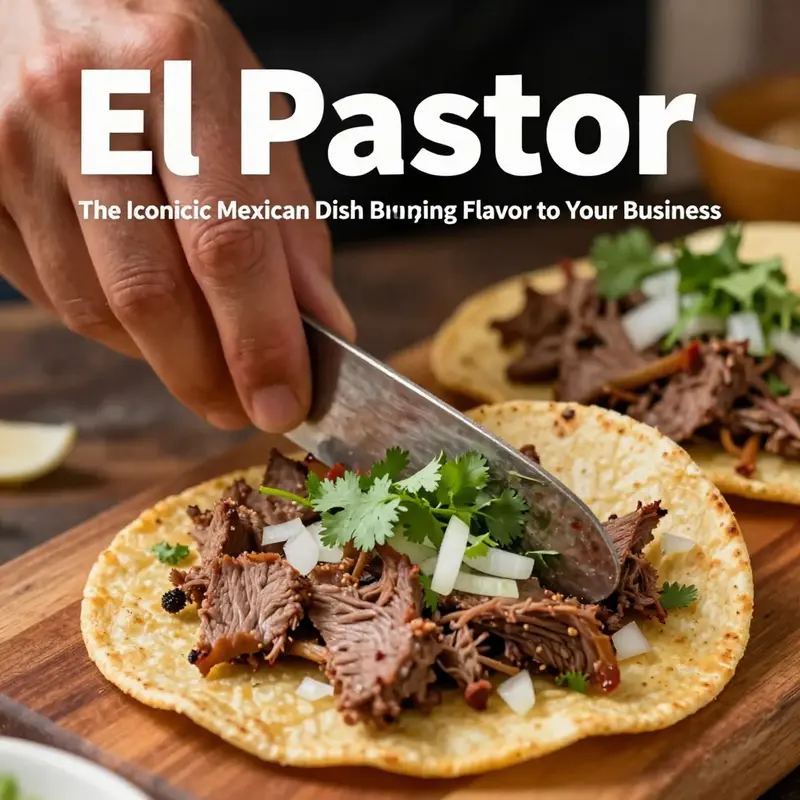
When the flame meets the meat, a ritual unfolds. The trompo spins slowly, a confident ring where heat kisses every layer. Cooks shave off paper-thin slices, catching the edge of each piece as it browns and crisps along the outer surface. The technique creates contrast: a crust with a little bite that yields to a softer interior bursting with pepper, garlic, and citrus. The slices land on warm corn tortillas, ready to be folded with their own small congregation of toppings. A shared ritual follows—chopped white onion and fresh cilantro sprinkle the tortillas, and a squeeze of lime adds a final bright lift. This simple assembly yields a chorus of flavors: savory depth from the adobo, bright acidity from the citrus, heat from the chilies, and a lingering sweetness from the pineapple that rounds the edge of the bite.
In the home kitchen, recreating al pastor demands respect for balance rather than replication of the trompo’s theater. Without the vertical spit, cooks can still evoke the spirit by marinating lean pork and then searing thin slices on a hot grill or under a broiler. The goal is to achieve a quick caramelization on the exterior while preserving juiciness inside. Cooking in batches can help maintain even heat and prevent crowding, which would dull the crust. The pineapple can be incorporated during the cooking phase or offered as a topping to preserve its bracing sweetness. Above all, the marinade should stay faithful to its core components: achiote, dried chiles, garlic, vinegar, and citrus, with the pineapple as the signature counterpoint. Patience matters here; the most memorable al pastor emerges when every layer has had its chance to contribute without losing its character.
This dish has traveled well beyond its birthplace. Traditional taquerías in Mexico City and other regions continue to honor the original technique, while new kitchens around the world adapt and reinterpret it. The essence remains recognizable: a precise balance of smoke, tang, and sweet that invites a second and even a third bite. If you want to explore further into the spice profile and aromas that define al pastor, a careful study of the adobo’s components can deepen appreciation for the dish’s depth. For readers seeking practical inspiration, the following resource offers a concise guide to the spices that shape this iconic marinade. In the meantime, the visual of the spinning trompo, the pineapple crown, and the quick shave that lands on a warm tortilla persists as a living memory of how el pastor became a beloved form of Mexican street food. tacos al pastor.
External resource: https://www.mexicanfoodtoday.com/al-pastor-spices-guide/
Rotating Heritage: The Cultural Significance and Global Popularity of El Pastor
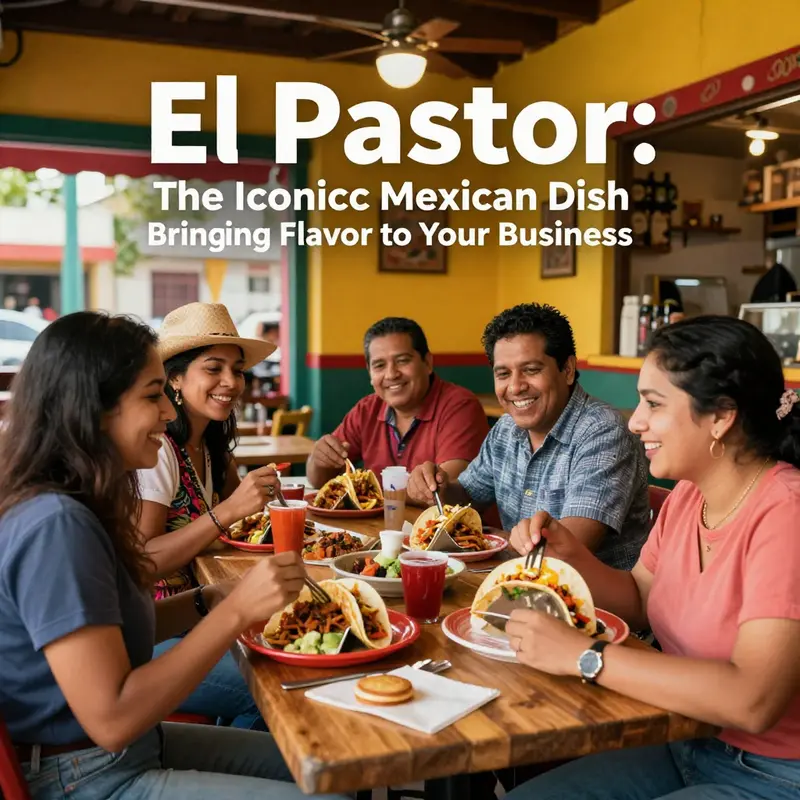
In the glow of twilight and the hum of street chatter, al pastor is more than a dish; it is a living ceremony. A vertical spit turns slowly, beads of fat glistening as the meat tightens its crust, while the scent of dried chiles, smoky achiote, garlic, and citrus threads its way through the air. The first bite arrives on a warm corn tortilla, and the balance between heat, sweetness, tang, and smoke feels almost like a language spoken with the tongue rather than the lips. This harmony is why al pastor has become not just a staple of Mexican street food but a cultural touchstone that speaks to memory, migration, and shared moments across generations. The phenomenon begins in central Mexico, where Puebla’s markets and the bustling avenues of Mexico City cradle it, but its roots stretch outward along the long arc of immigration and exchange that defines modern cuisine. The alleyway taquerías where the trompo stands as a slow, patient signal of craft are more than eateries; they are communal stages where family histories unfold in every sliced layer of marinated pork.
The origin story of al pastor is a narrative of fusion, adaptation, and improvisation. Lebanese immigrants, bringing with them the technique of the shawarma on a vertical spit, found a new home on Mexican soil. Local cooks, always attuned to the weather of flavor, replaced lamb with pork and wove in the country’s own pantry of chili peppers and spices. The marinade—an intoxicating blend of guajillo and ancho chiles, achiote for color and earth, garlic, vinegar, onions, and a chorus of warm spices like cinnamon and cloves—became the heartbeat of the dish. This is not simply a recipe; it is a working map of cultural negotiation, a testament to how communities bend and reshape outside influences into something recognizably theirs. The pineapple perched at the crown of the trompo sounds like a playful garnish, yet it functions as a culinary alchemist: as it caramelizes, its sweetness leaches into the meat, tempering heat and brightening the whole profile with a natural glaze that no sauce could imitate.
As the spit turns, the cook’s eye and hand guide the slicing of the outer, deeply seasoned layers. These thin, ruby-edged slivers are tucked into soft tortillas with chopped onions, cilantro, and a squeeze of lime, crowned by a zingy salsa that carries the memory of rain-soaked markets and late-night conversations. The result is an edible chronicle of tongues learning to taste together—savory, spicy, tangy, and sweet in a single, satisfying bite. The popularity of al pastor rests not only on flavor but also on its portability and immediacy. It is at once an everyday meal and a symbol of festivity, a street-food miracle that travels well and adapts with ease to different contexts around the world.
Across Mexico, al pastor has become a national favorite, a thread binding diverse regions through a shared experience of choosing warmth and community on a crowded corner. Its appeal crosses class and geography, inviting visitors to watch the trompo’s gentle revolution as the meat heats and shimmers. In the decades since its emergence, the dish has also crossed oceans and city borders, finding homes in places as distant as London, where chefs interpret the method with local ingredients and temper the heat to suit new palates. Yet the essence remains the same: a slice of heritage coaxed from a simple, patient process, served with a smile and a story told in every fold of tortilla.
For those who wish to understand how deeply anchored this dish is in everyday life, the answer lies in its presence at markets, taquerías, and family gatherings alike. It is the food equivalent of a shared doorway—one that opens onto memory, hospitality, and the idea that culture is made, not inherited, through acts of cooking and sharing. The trompo has become a symbol of Mexican street food culture, a rotating beacon of possibility in which people from different backgrounds meet, eat, and exchange more than flavors. As communities continue to welcome new influences while honoring traditional methods, al pastor evolves without losing its core identity—an emblem of resilience, creativity, and the ongoing dialogue between history and taste. A deeper historical perspective on this evolution can be found in broader explorations of food history at sources such as the Smithsonian Institution’s National Museum of American History, which traces al pastor from its shawarma-inspired beginnings to its status as a cornerstone of Mexican gastronomy. For a firsthand look at related contemporary expressions and the conversations shaping today’s taquerías, see the resource linked here: tacoselpastor.
External reading: for a detailed historical overview, visit the Smithsonian page on the evolution of al pastor and similar street foods at https://americanhistory.si.edu/food/.
Final thoughts
Understanding the rich history and preparation techniques of El Pastor not only enhances appreciation for this iconic dish but can also play a pivotal role in the culinary direction of your business. By offering El Pastor, you’re not just serving a meal but sharing a piece of Mexico’s cultural heritage. With its potential for customization and appeal across various demographics, this dish can uniquely engage diverse customer bases and enhance your restaurant’s reputation.

