Understanding the Importance of ‘Taqueria’ and Its Accent
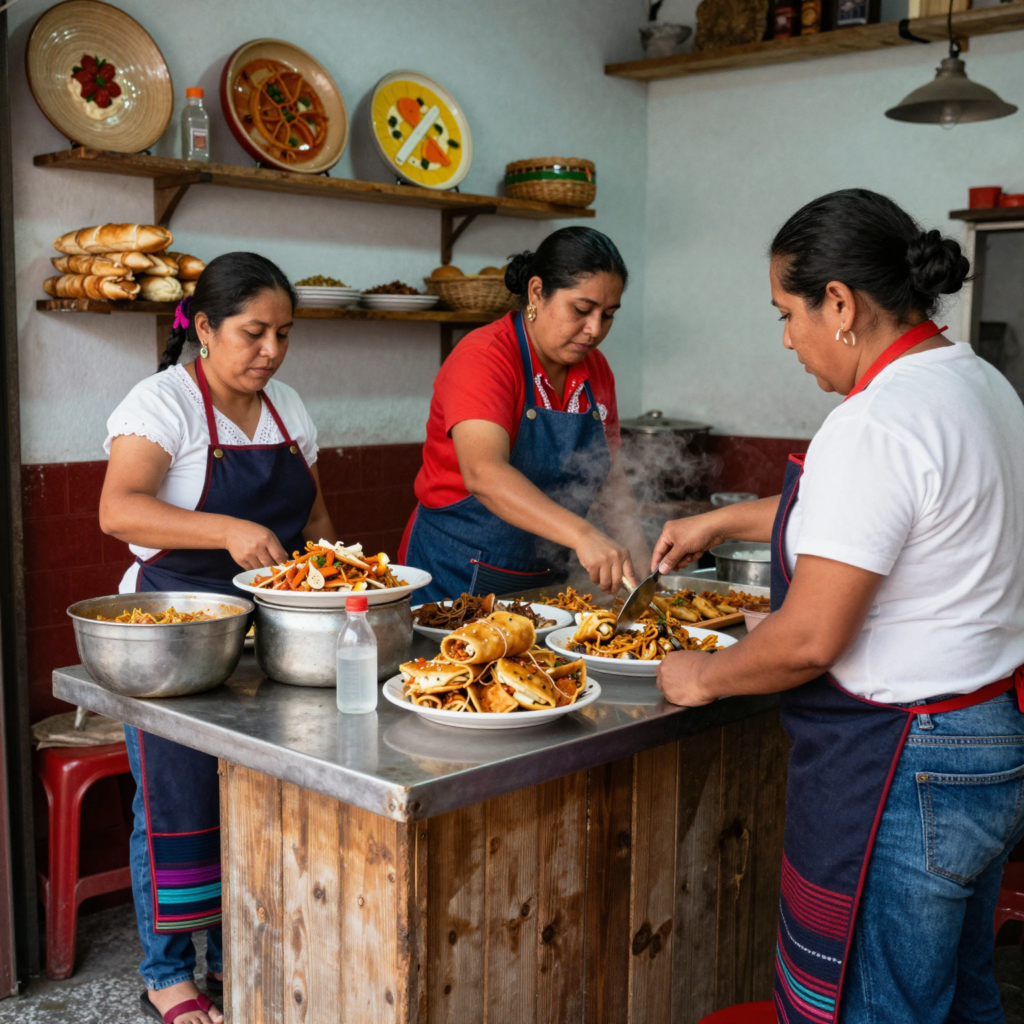
When it comes to Mexican cuisine, few words are as culturally significant as ‘taqueria.’ This term not only represents a place where delicious tacos are crafted and served, but it also encapsulates the rich cultural heritage associated with Mexican food traditions. However, a question arises: does ‘taqueria’ have an accent? The answer is yes, the proper spelling is ‘taquería,’ with an accent mark indicating that the emphasis falls on the last syllable. This accent is crucial not just for correct pronunciation but also for preserving the authentic flavor of the language and the culinary experience.
For business owners in the culinary industry, understanding these nuances is more than just academic; it impacts branding, customer engagement, and authenticity in presentation. Just as the quality of ingredients matters, so does the respect shown for language and cultural identity. By writing ‘taquería’ correctly, restaurants communicate their respect for tradition and their dedication to providing an authentic experience. This attention to detail can help differentiate a business in a competitive market.
To explore more on how to authentically present Mexican food in your business, check out Tacos El Pastor and Al Pastor Near Me.
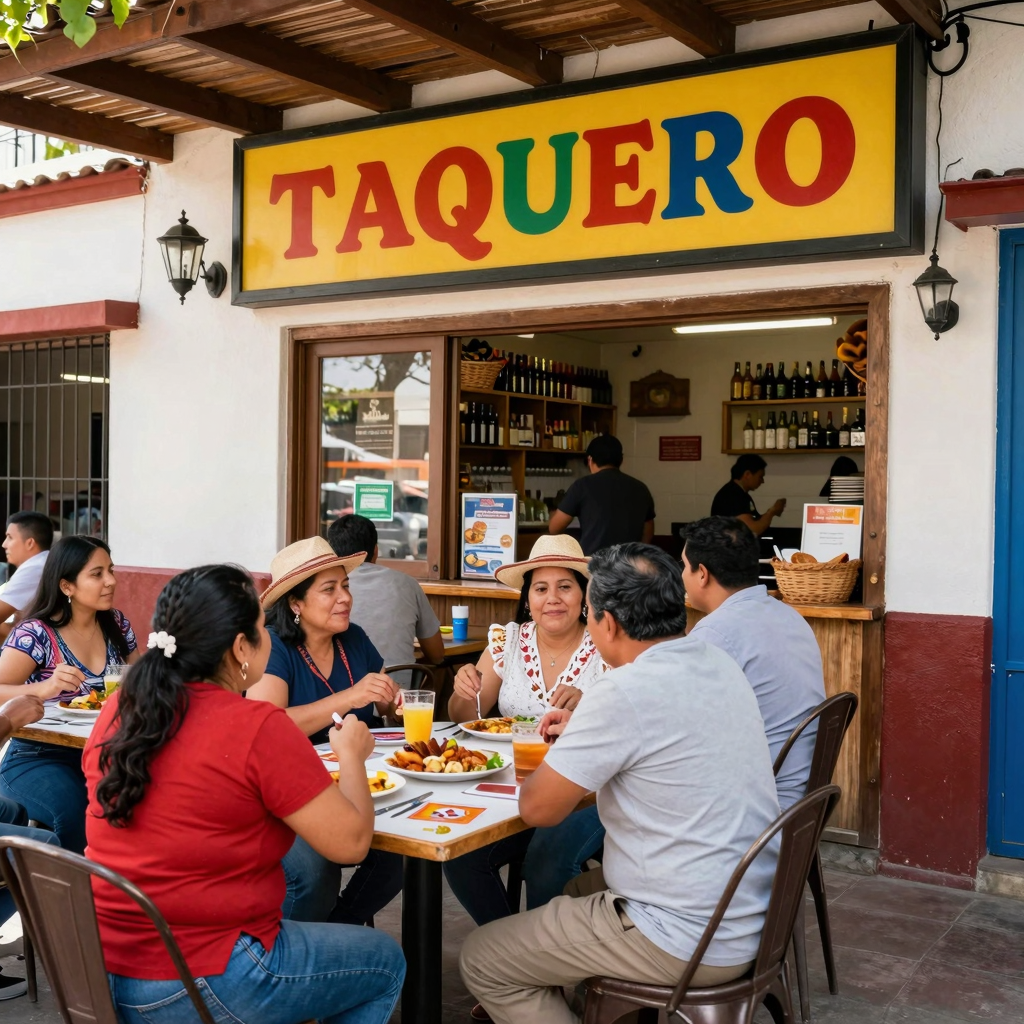
“We wear aspects of accent, vocabulary, grammar like we do emblems on a T-shirt – they define the gang.”
- Kate Burridge, Linguist
This quote powerfully illustrates how accents and language features are not just about communication, but are fundamental markers of cultural identity. They signal belonging to a particular group, emphasizing that our way of speaking is a natural and visible expression of who we are culturally.
Historical Context: The Origins of ‘Taqueria’
The word ‘taqueria’ has its roots deeply embedded in Mexican culture, reflecting a rich tapestry of culinary tradition. It is derived from the Spanish word ‘taco,’ which signifies a traditional Mexican dish made of a folded or rolled tortilla filled with various ingredients. The addition of the suffix ‘-ería’ denotes a place where something is made or sold; thus, a taqueria literally translates to “a place that sells tacos.”
Linguistic Heritage
The etymology of ‘taco’ can be traced back to the Nahuatl language, where it is believed to originate from ‘tlahco,’ meaning “half” or “in the middle.” This term signifies the idea of food encapsulated, a concept that dates back to the pre-Columbian era. In essence, the ‘taco’ and by extension the ‘taqueria,’ symbolize not just a meal but a way of life in Mexico, where food is an integral part of family and community gatherings.
The term ‘taqueria’ first emerged in English between the years of 1980 and 1985, coinciding with the increase in popularity of Mexican cuisine outside of Mexico, particularly in the United States. This lexical migration not only highlights the growing appreciation for Mexican food but also serves as a testament to the nation’s vibrant cultural exchange.
Cultural Reflection
Mexican cuisine itself is a UNESCO-recognized cultural heritage. It encompasses a variety of flavors, ingredients, and techniques, and emphasizes the importance of communal dining. The ‘taqueria’ is a microcosm of this culinary diversity, often specializing in different styles of tacos, such as al pastor, carnitas, and barbacoa. Each style showcases regional variations and secrets passed down through generations, reflecting a linguistic heritage that extends beyond mere words.
In modern contexts, taquerias serve as local eateries where the community can gather, share a meal, and celebrate their roots. They often embrace a mix of traditional cooking methods and modern adaptations, thus bridging the gap between history and contemporary dining preferences.
As more people become interested in the culinary arts, the significance and popularity of taquerias continue to rise. For business owners looking to enter this thriving market, understanding the cultural and linguistic heritage behind ‘taqueria’ can provide valuable insights into customer preferences and expectations. Learn more about tacos el pastor and how they reflect this rich history.
In conclusion, the term ‘taqueria,’ while simple in its definition, carries profound significance that encapsulates the essence of Mexican culinary traditions and the communal spirit that accompanies it. By owning or engaging with a taqueria, one is not just providing food but also participating in a larger narrative of Mexican history and culture.
Comparison of Popular Mexican Restaurants
Here’s a comparison table summarizing some of the most popular Mexican restaurants, specifically taquerias, highlighting their locations, menu variety, and customer ratings.
| Restaurant Name | Location | Menu Variety | Customer Rating |
|---|---|---|---|
| La Taqueria | San Francisco, CA | Classic tacos, beef, chicken, vegetarian options | 4.4 |
| Tropisueño | San Francisco, CA | Street tacos to creative entrees, tropical drinks | 4.3 |
| The Buena Vista | San Francisco, CA | Mexican appetizers, beef tacos, margaritas | 4.4 |
| Pancho Villa Taqueria | San Francisco, CA | Simple tacos, beef, chicken, pork, vegetarian | 4.3 |
| Matador | San Francisco, CA | Tacos, tortillas, stews, creative cocktails | 4.3 |
This table can help business owners understand the competitive landscape and how various taquerias differ in offerings and customer satisfaction. For more on specific taco offerings, learn more about our specialties.
Pronunciation of Taqueria
The word “taqueria” refers to a casual eatery, food cart, or stall that specializes in serving tacos and other Mexican street foods. Its correct pronunciation in American English is phonetically spelled as /ˌtɑ kəˈri ə/, which can also be written as “tah-kə-ree-uh”. The stress is placed on the third syllable, i.e., “ree.” This pronunciation emphasizes the final syllable, aligning closely with the original Spanish term “taquería,” which includes the suffix ‘-ería’, indicating a place where something is sold.
Common Mispronunciations
Despite its straightforward pronunciation, many people mispronounce “taqueria” in a variety of ways, often due to unfamiliarity with the stress patterns of Spanish words:
- “tah-KAY-ree-uh”: This mispronunciation incorrectly emphasizes the second syllable, making it sound more like a different type of word entirely.
- “tah-KEER-ee-uh”: Here, the emphasis is incorrectly placed on the second syllable as well, again altering the intended sound.
These common missteps highlight the common pitfalls that English speakers face when trying to adopt the pronunciation rules from Spanish.
In business contexts, particularly within the hospitality and restaurant industries, understanding the correct pronunciation of terms like “taqueria” is vital for effective communication. Not only can correct pronunciation enhance customer experiences, but it can also convey cultural respect.
If you’re running a taqueria or involved in the Mexican food business, you might find it helpful to share this correct pronunciation with your staff and customers. For instance, if you’re interested in exploring local specialties, you can learn more about tacos al pastor here or check out our popular dishes at Taqueria El Pastor.
Exploring User Reviews of Taquerias: A Deeper Look at Authenticity and Pronunciation
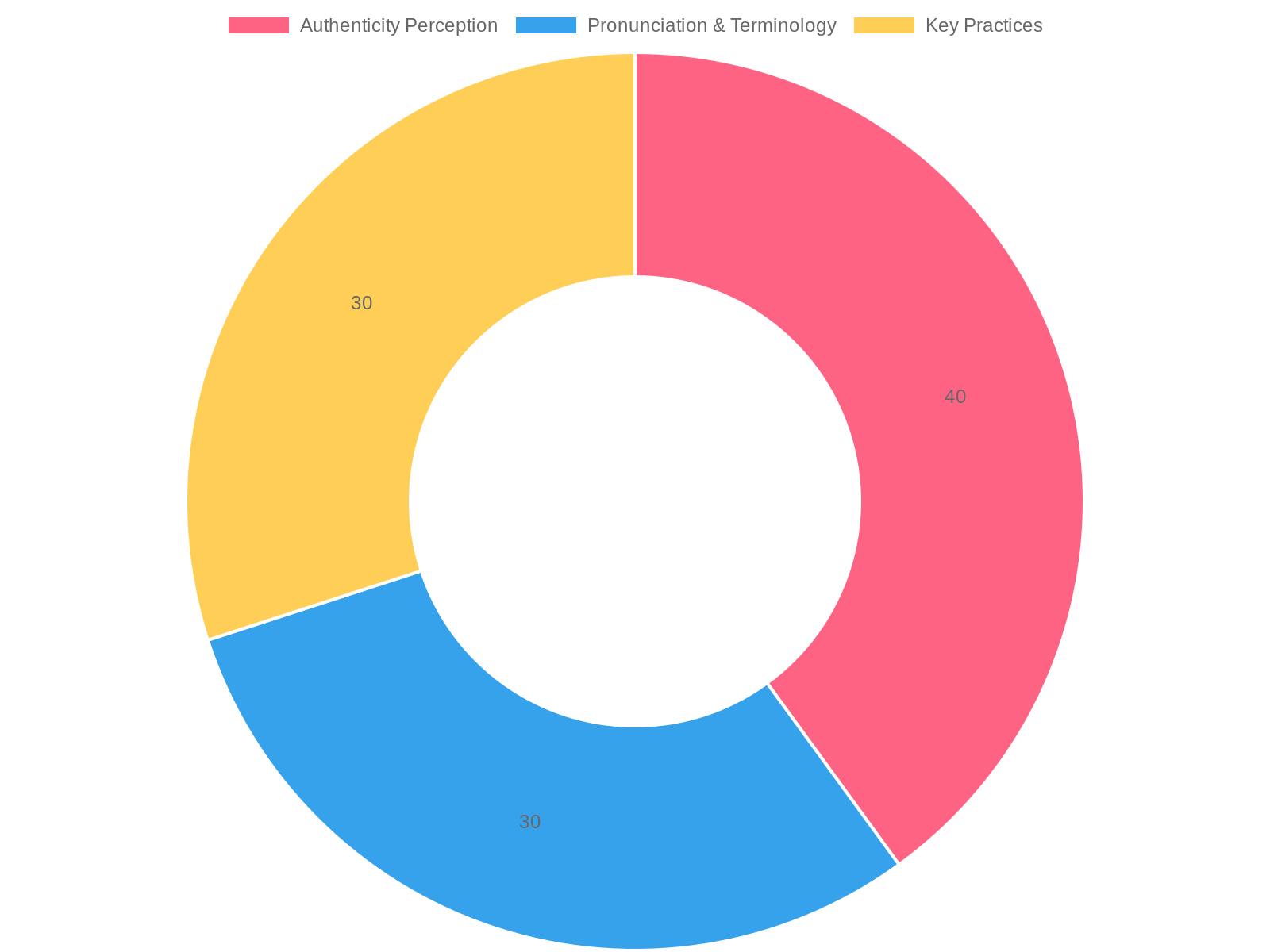
User reviews of taquerias often highlight two major themes that significantly impact the dining experience: the authenticity of the food and the correctness of pronunciation. These factors not only affect customer satisfaction but also serve as indicators of cultural respect and awareness.
Authenticity in Food
Reviews frequently discuss the importance of authenticity in taqueria cuisine. Many customers appreciate taquerias that employ traditional methods and high-quality, locally sourced ingredients. For example, reviews from San Antonio indicate that family-operated establishments like Pico de Gallo offer handmade corn tortillas and authentic chili gravy, reflecting a deep commitment to traditional recipes. Users often describe dishes like al pastor and barbacoa as especially notable when the preparation respects traditional cooking techniques such as cooking meats on a charcoal grill.
- Key Practices in Authentic Taquerias:
- Freshness: Ingredients should be prepared fresh, ideally with meat cooked to order.
- Regional Authenticity: Dishes must represent specific techniques and flavors from various Mexican regions.
- Balance of Flavors: Successful taquerias harmonize rich salsas, seasoned rice, and quality meats for a truly authentic taste.
The Importance of Correct Pronunciation
The correct pronunciation of taqueria is another recurring theme in user reviews. Many patrons express that knowing how to pronounce taqueria correctly, typically as /tɑːˈkeɪriə/, signifies respect for the culture and cuisine. This detail often becomes part of the dining experience itself. Users have noted that mispronouncing terms such as al pastor (often pronounced with an Anglicized twist) can detract from the overall authenticity perceived in the meal. For instance, one reviewer emphasized that proper terminology reflects a deeper understanding and appreciation of the dishes being ordered.
- Cultural Awareness:
- Using correct Spanish terms not only shows respect but also enriches the experience.
- Customers who take the time to learn and use these terms receive a more welcoming response from staff and fellow diners, reinforcing a communal dining atmosphere.
Conclusion: Why This Matters
In summary, the authenticity of foods and the accurate pronunciation of terms play pivotal roles in customer experiences at taquerias. Reviews consistently highlight that those who prioritize authenticity in both aspects contribute to a more genuine dining environment. This underscores the broader significance within the food service industry: a shared respect for culinary traditions ultimately enhances customer loyalty and satisfaction.
For those interested in providing an authentic experience, consider enhancing the menu by incorporating traditional dishes and practices. By doing so, you not only pay homage to the roots of Mexican cuisine but also build a strong connection with your customers.
To learn more about authentic taco offerings, check out our best tacos al pastor options or explore our overview of taquerias.
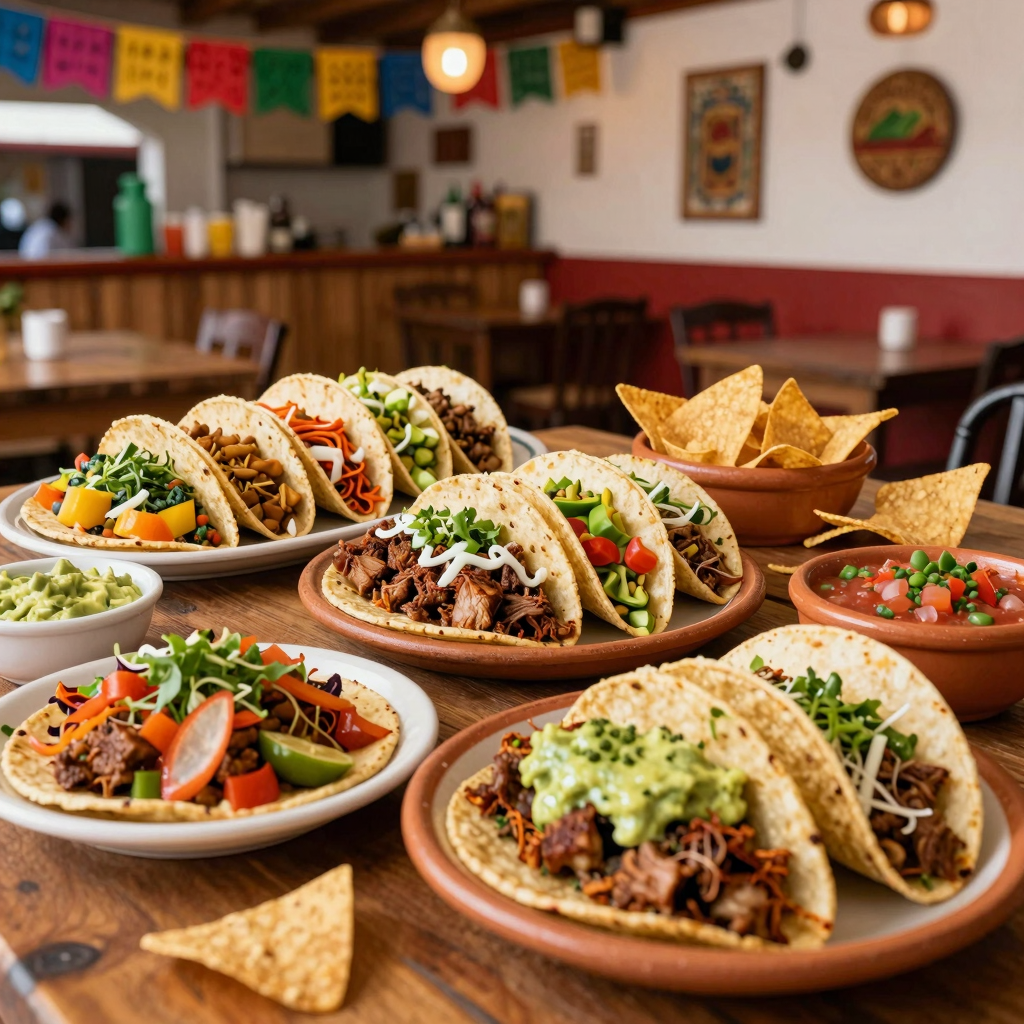
Business Implications of Understanding Accents in Taquerias
In the competitive landscape of the food industry, particularly in sectors like taquerias, understanding the nuances of accents is not just a matter of linguistic detail-it holds significant implications for branding and cultural sensitivity that business owners must heed. The way accents are perceived can deeply affect customer relationships, brand authenticity, and, ultimately, the revenue streams of restaurants.
Cultural Sensitivity and Consumer Trust
For business owners in the food sector, particularly those serving culturally rich cuisines like Mexican food, recognizing and respecting accents is vital. When marketing ethnic foods, using the correct accent in branding can enhance the perceived sincerity of the business. A recent study published in the Harvard Business Review revealed that consumers often view brands utilizing local accents as more authentic and trustworthy. This trust is crucial for encouraging repeat patronage, especially among consumers who prioritize cultural authenticity in their dining experiences. If a taqueria representative uses a non-native accent or one that doesn’t align with the cultural heritage of the food, it can be perceived as cultural appropriation or insincerity, potentially alienating customers.
Business owners are encouraged to embrace local accents as part of their branding strategy. Doing so not only enriches the dining experience but also reassures customers that the food they enjoy is genuinely representative of its culture. As a result, businesses that align their branding with local dialects or accents can foster a deeper emotional connection with their clientele, enhancing consumer loyalty.
Branding Strategy and Authenticity
Moreover, cultural sensitivity extends beyond mere accent usage; it encompasses the entire branding strategy of a business. Using authentic stories in marketing, such as those rooted in family traditions or local history, can resonate with customers on a personal level. Accents can serve as a symbolic connection to these narratives. In a comprehensive guide to branding in the food industry, it is suggested that the most successful brands are those that convey real stories associated with their products. When accents are thoughtfully integrated into advertising and promotion, they can amplify the authenticity of these stories, appealing to consumer desire for genuine products.
Conclusion
For business owners in the food industry, particularly in the realm of taquerias, understanding and implementing accents correctly is integral not only for effective communication but also for building an inclusive brand identity. Awareness of cultural nuances can lead to stronger consumer relationships and improved brand image, ultimately driving business success. Brands that succeed are those that authentically represent and engage with their cultural roots, reaffirming their commitment to service and community. For further insights, explore our offerings on delicious tacos al pastor that exemplify this commitment to authenticity and quality.
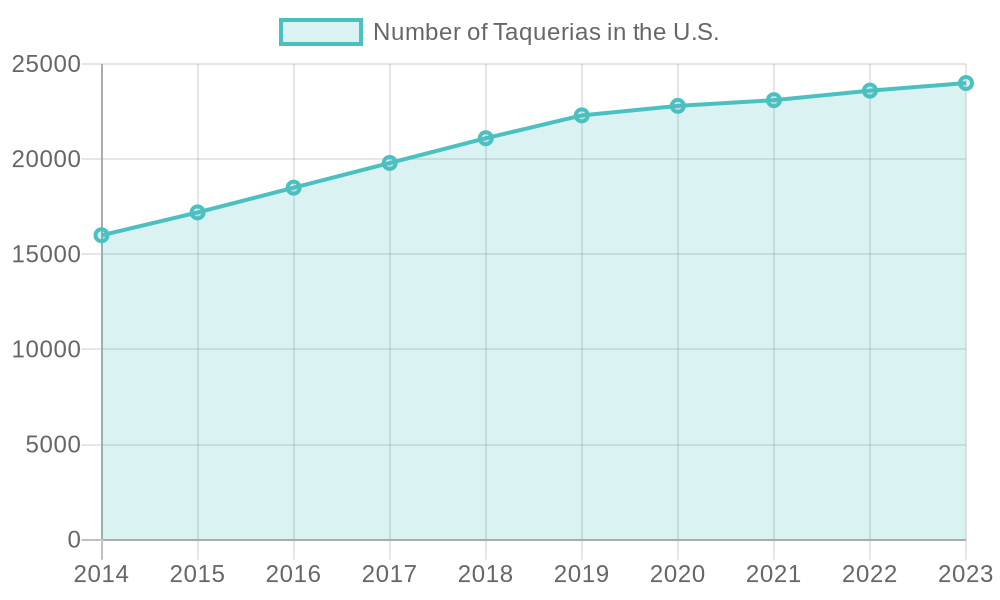
The chart above illustrates the significant growth of taquerias in the U.S. over the last decade, with numbers increasing from approximately 16,000 in 2014 to over 24,000 by 2023. This represents a remarkable growth rate, reflecting the rising popularity of this dining concept in the country. For more insights into the trends affecting taquerias, you can check out this National Restaurant Association report.
Additionally, the independent and chain taquerias are reshaping America’s food scene, capitalizing on the demand for authentic and convenient dining experiences. For further exploration of specific taqueria offerings, visit Tacos El Pastor.
In summary, the exploration of accents in taqueria names reveals their profound significance within Mexican culture and the gastronomic landscape. The accentuate part of the word “taqueria” is not merely a phonetic detail; it symbolizes cultural pride, regional identity, and authenticity. Many taquerias have names that reflect their linguistic roots, making them more than just eateries-they are representations of a rich heritage. The use of specific accents or dialects in their names not only sets them apart from standard Mexican restaurants but also establishes a bond with the community, fostering a strong sense of belonging among patrons.
Moreover, the growing popularity of taquerias showcases their vital role in the food industry. According to recent trends, the market for taquerias is expected to rise significantly, leading to a broader acceptance and appreciation for authentic Mexican cuisine. The sustainability of this market is bolstered by consumer demand for quick-service establishments that specialize in high-quality, traditional foods. As more consumers seek genuine experiences, taquerias are well-positioned to flourish, offering delights like tacos al pastor that resonate with their cultural origins.
In light of this vibrant landscape, we invite you to take the next step in your journey. Don’t wait-contact us today to discuss your needs. Whether you seek to explore the delights of authentic Mexican cuisine or wish to understand more about the cultural significance encapsulated in taqueria names, we’re here to help you dive deeper and savor the true essence of taqueria culture. Your culinary adventure awaits!