
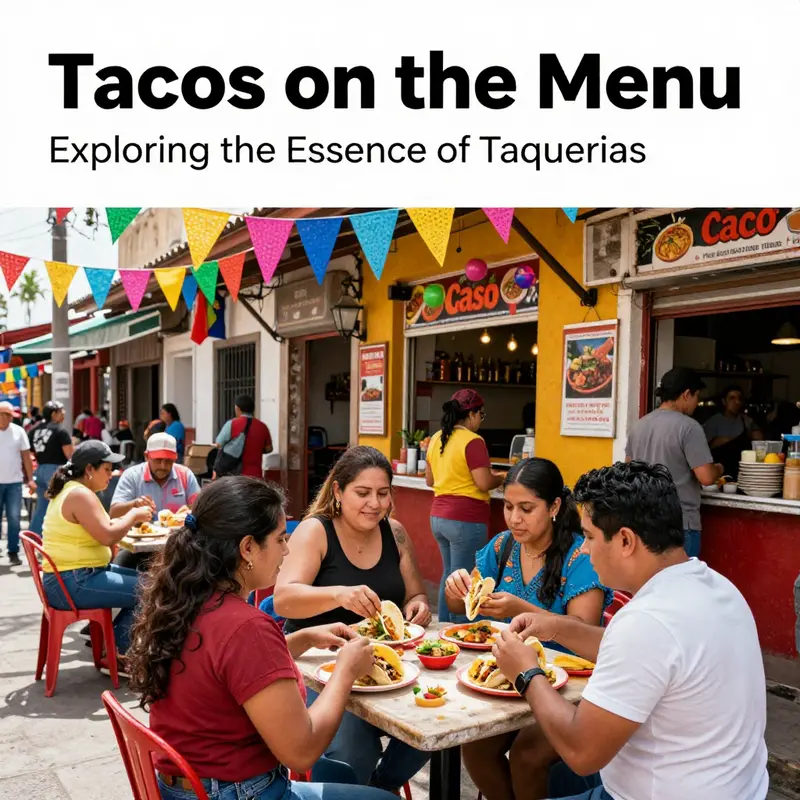
The vibrant world of taquerias encapsulates the essence of Mexican street food, combining rich flavors, diverse culinary options, and cultural context. As casual dining spots that primarily focus on tacos, taquerias offer an extraordinary menu that showcases a variety of fillings and preparations. Beyond culinary excellence, these establishments hold cultural importance within communities, representing a home away from home for many. Moreover, taquerias play a crucial role in stimulating local economies. This exploration will delve into the diverse menu offerings of taquerias, their cultural significance in Mexican cuisine, and their economic impact on local communities.
Taco Tapestry: How Taquerias Weave Diversity into the Idea of What a Taqueria Is
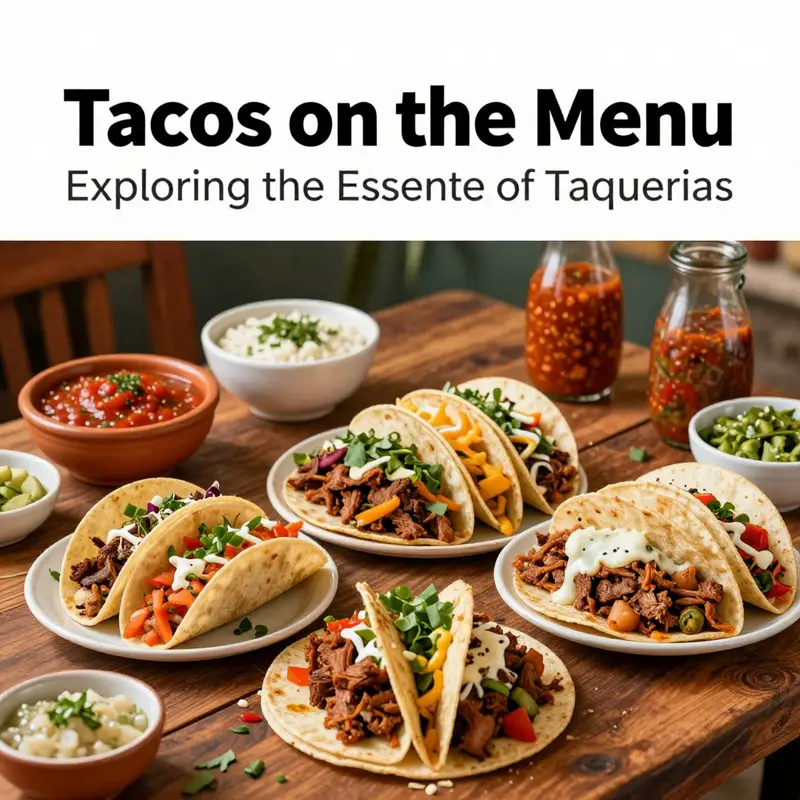
A taqueria is more than a restaurant serving tacos; it is a living map of a people’s palate, memory, and movement. In these spaces, the rhythm of the kitchen becomes a conversation between generations and geographies. You see tortillas pressed to a warm, pliant glow; you hear the hiss of a hot pan; and you taste a continuum, where a simple taco can carry centuries of technique, migration, and adaptation. The term taqueria itself anchors this idea. It signals a place where the tortilla is the common language, while the filling and salsa translate local stories into something handheld, shareable, and undeniably communal. The cuisine travels through skillet and street stall alike, yet remains rooted in the same impulse: to honor fresh ingredients, to respect tradition, and to invite curiosity in equal measure. In that sense, a taqueria is a microcosm of regional cooking, a workshop where history and invention meet in the same bite. It is not a fixed definition but a living practice that invites experimentation without losing its core identity: tacos as the center, tortillas as the frame, and conversation as the garnish.
What makes a taqueria so endlessly diverse is the way it negotiates three forces at once: tradition, place, and experimentation. The tradition is not a museum display but a living toolkit of techniques passed down through families and neighborhoods. Corn or flour tortillas provide the canvas, while meats like al pastor, carnitas, birria, and barbacoa anchor the menu in familiar textures and flavors. But beyond these anchors, the spectrum widens to include lengua, suadero, tripas, and other cuts that reveal the full range of Mexican cooking’s textures and ideas. Vegetarians and vegans are welcomed into this tradition through thoughtful adaptations—roasted vegetables, mushroom fillings, and plant-based salsas that echo the same bright balance of acidity, heat, and herbaceousness found in meat-centered tacos. The result is a menu that feels both rooted and responsive, a space where the same ingredients can yield radically different experiences depending on technique, seasoning, and proportion.
Place largely determines how a taqueria expands beyond the basics. In a vibrant urban corridor, you might find a workshop-like tempo where classic tacos and regional specialties share the slate with bold, playful twists. In San Francisco’s Mission District, for example, family-run taquerias carry on generations-old recipes—tacos de lengua or suadero sit alongside newer preparations, and the air is thick with the aroma of stews and frizzled edges. In Morristown, New Jersey, the so-called “secret menu” ethos has turned into a modern ritual, where a quesadilla burrito stacks crushed tortillas, chip-stuffed quesadilla, and Mexican rice into a handheld feast. This kind of local experimentation demonstrates how a taqueria travels with communities, absorbing local tastes while preserving core techniques. Even in smaller or more niche venues, the culinary conversation remains lively—an ongoing exchange between memory and modern appetite.
Global influences are perhaps the most visible engine of innovation in taquerias today. A chef who wants to honor the taco’s soul can still reach for regional authenticity while inviting cross-cultural dialogue. In some spots, traditional tortillas meet influences from the Pacific Rim, the Indian subcontinent, or other culinary worlds, creating fusion experiences that feel both surprising and natural within the taqueria frame. This is not culinary dilution but an expansion of a menu’s vocabulary. A kitchen might offer a birria taco with a glossy consommé for dipping, or stage seasonal variations with heirloom corn tortillas and duck mole—dishes that elevate street-food roots into chef-driven meals without abandoning the taco’s essence. In other contexts, the unaffiliated charm of street stalls blends with more polished restaurant settings, showing how taquerias can inhabit a spectrum from budget-friendly comfort to refined, ingredient-driven gastronomy. The throughline is clear: the taco is a catalyst for dialogue, and the taqueria a venue where conversation becomes flavor.
The linguistic and cultural layers surrounding taquerias also illuminate how identity travels with food. The word taqueria embodies the idea that language preserves technique and tradition even as it shifts with new speakers and new geographies. Just as the tortilla binds ingredients into a single unit, the concept of a taqueria binds a people’s storytelling, migration, and resilience into a shared dining experience. As menus grow and shift, they map the story of a place—the way a community reinterprets a classic to reflect local harvests, tastes, and ambitions. The menu becomes a living archive, a catalog of memory reimagined for new generations, rather than a static ledger of items. This is the beauty of taquerias: their capacity to honor form while welcoming novelty, to celebrate a region’s bounty while inviting the world to participate in the plate.
And so, a taqueria’s menu emerges as more than a list of items. It is a living expression of identity, history, and ongoing invention. The most resonant taquerias balance reverence and risk, offering tacos that feel familiar—al pastor’s smoky sweetness, carnitas’ soft succulence—while presenting options that reflect local ecosystems and global curiosities. The result is a culinary tapestry that invites visitors to sample both the tradition and the transformation of Mexican street food. In those folds of tortilla and heat lies a larger narrative about how cuisine travels, reinvents, and binds communities together across time and space. For readers curious to see a traditional example among the many variations, one can explore a traditional pasto-focused offering here: tacos-el-pastor-del-rica.
External context can deepen this understanding. For a broader look at how language intertwines with food and culture, a visit to linguistic-culture scholarship, such as the discussion of language in cuisine, adds a rich layer to this exploration. The journey from street cart to elevated dining room reveals how taquerias translate centuries of technique into a contemporary, global conversation about taste. External reference: https://www.bbc.com/travel/article/20260213-the-joy-of-spanish-cuisine-through-its-language
Taquerias: Threads of Flavor, History, and Community
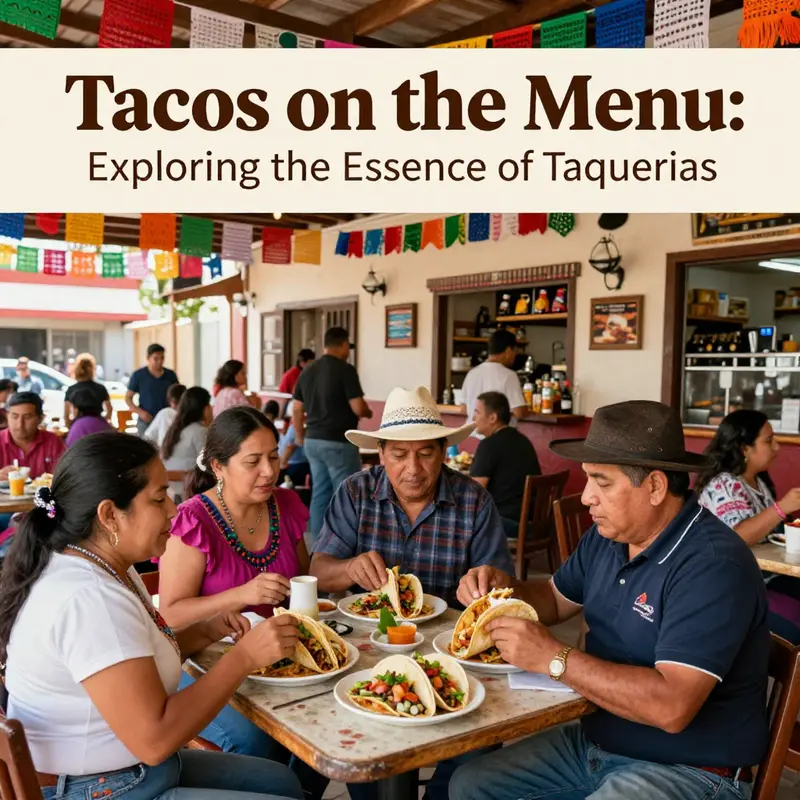
A taqueria is more than a place to eat. It is a doorway into a culture where food, family, and place converge in a ritual that happens every day. The simple idea of Mexican style fast food focused on tacos made with corn or wheat tortillas scratches the surface. Inside, a familiar hum fills the air: conversations, the sizzle of meat on a hot comal, the aroma of roasting peppers, and a counter brimming with toppings and salsas. The taqueria is a crucible where tradition meets improvisation and where technique travels with memory.
The masa, the dough that binds a tortilla, sits at the heart of the meal. Nixtamalization unlocks nutrients and fragrance, reminding us that heritage begins with careful ingredients. This reverence signals more than cooking skill; it is a practice that honors ancestors while welcoming new ideas. A taqueria becomes a classroom where home cooks and professionals share, learn, and adapt, teaching patience, balance, and the art of letting seasonal produce speak for itself.
Across cities and neighborhoods, taquerias reflect regional diversity. Smoky grilled meats, bright herbs, citrus notes, and slow cooked sauces travel from region to region, offering a living map of place on the plate. Authenticity here means fidelity to process and memory, not sameness; it means inviting change while keeping core values intact.
Beyond food, taquerias serve as social hubs. Families celebrate rites of daily life, friends trade stories across a table, and strangers become neighbors over shared plates and sauces. The space itself carries meaning: a counter passed down through generations, a kitchen where techniques are taught, an atmosphere that welcomes participation in the ritual of eating well.
In diaspora, taquerias translate core ideas into new environments, preserving ingredient integrity and slow methods while embracing local ingredients and audiences. This dynamic keeps a living tradition vibrant, inclusive, and evolving.
To connect these ideas to everyday exploration, consider how different neighborhoods reveal regional approaches to masa and salsa. Visiting a local taqueria offers a window into how tradition adapts without losing its heart. See for example community pages and regional guides that celebrate the diversity of this cuisine.
In sum, a taqueria stands at the intersection of flavor, memory, and community. A simple taco becomes a vehicle for shared joy, technique, and belonging. The taqueria is not just a place on a map but a living cultural practice that invites participation, conversation, and discovery every day.
Savor and Supply: How Taquerias Shape Local Economies
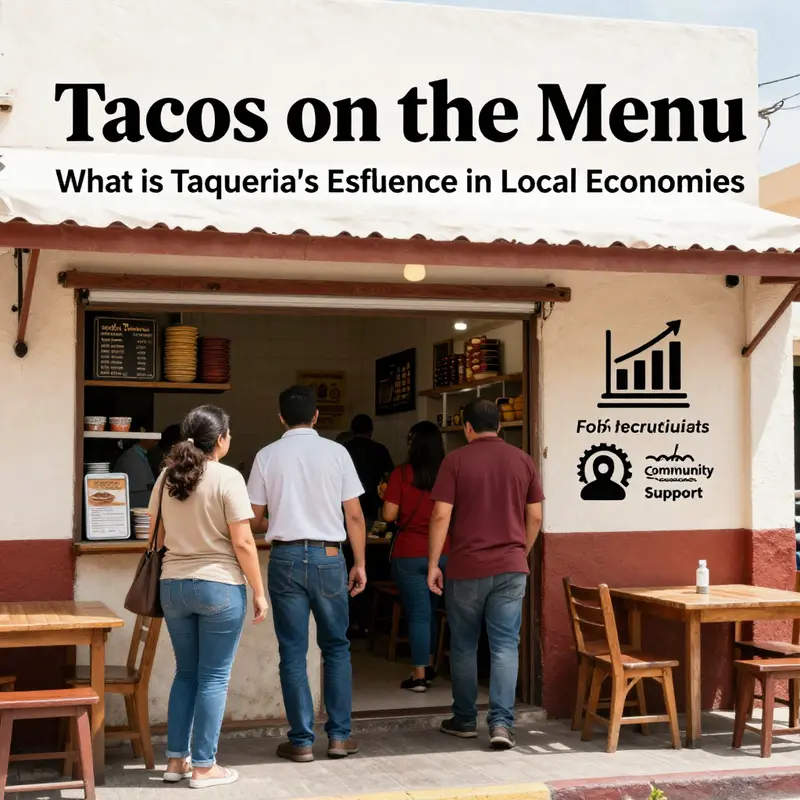
On many city blocks, a taqueria sits like a small, bright anchor amid storefronts and sidewalks. Its sizzling kitchen, often tucked behind a modest counter, is less about spectacle and more about steady, dependable exchange: food, friendships, and the work that binds a neighborhood together. A taqueria operates as a micro-economy where a handful of workers, a handful of tables, and a handful of recipes create a durable loop of activity. What begins as a simple hunger solution becomes a set of interlocking economic relationships that ripple through nearby businesses, families, and community spaces. The effect is quiet but persistent: more foot traffic, more casual commerce, and a sense that a street or a corridor can be sustained by affordable, vibrant food and the people who prepare it day after day.
Employment is perhaps the most immediate and tangible strand in this web. Taquerias routinely hire cooks, cashiers, and delivery personnel, offering roles that range from entry level to skilled kitchen work. For many workers, these jobs provide access to the broader economy at moments when opportunities elsewhere feel limited. The presence of immigrant and other underrepresented community members in these roles adds depth to neighborhood labor markets and often helps sustain a stable and diverse workforce. This dynamic is not merely about jobs; it is about pathways. When a taqueria opens, it typically creates a chain reaction of opportunities—from training new workers to supporting local logistics networks that rely on reliable, affordable food service to keep other nearby businesses thriving.
Beyond employment, taquerias function as cultural exchange hubs that knit a neighborhood’s social fabric. They invite a cross-section of residents and visitors to share space, language, and taste. In cities with rapidly evolving dining scenes, taquerias contribute authenticity and continuity. They provide a reliable anchor for communal life—birthdays celebrated around a plate of warm tortillas, neighbors meeting for quick meals between errands, families gathering after school or work. This social dimension matters economically too: a sense of place encourages customers to linger, to return, and to introduce friends. When people feel connected to a place, they spend more time and money there, and that spend circulates through adjacent storefronts, markets, and services.
The economic stability that taquerias offer stems from a combination of lean operations and high turnover. Many of these establishments thrive with modest overhead and efficient workflows, which means they can respond quickly to shifting demand. They adapt to seasonal patronage, neighborhood turnover, and evolving tastes without requiring heavy capital expenditures. That resilience—an ability to pivot when the local economy shifts—helps keep a street active even during slow periods. In this sense, taquerias contribute to a broader urban vitality: they help sustain foot traffic that benefits a cluster of nearby small businesses, from bodegas to coffee shops to laundries.
Taquerias also often anchor communities in economically disadvantaged areas. Their presence can help stabilize a block by providing regular employment and affordable food options. When a taqueria opens in a blighted or resource-limited neighborhood, it creates a dependable commercial heartbeat that can attract investment and other services. While the lure of quick, inexpensive meals is clear, the longer-term impact lies in the opportunity for residents to see their neighborhood as a place where work, culture, and daily life converge. To illustrate the broader pattern, imagine a taqueria serving as a local hub where families gather, where someone might pick up a meal for a long workday, and where a clip of neighborhood news circulates as readily as the scent of roasting spices. In such settings, the taqueria becomes more than a shop; it becomes a beacon of practical stability in the urban economy.
Locally sourced ingredients and supplier networks further knit taquerias into the regional economy. Independently owned shops that prioritize nearby producers help support farms, markets, and distribution channels that might otherwise struggle to reach small buyers. The result is a more resilient local food system: a chain that starts with a kitchen and ends with a neighborhood economy, in which money circulates within the community, supporting wages, services, and incremental business growth. This sourcing approach can also influence menu design and pricing, enabling taquerias to offer fresh, affordable meals while maintaining margins that sustain staff and operations. The effect is not isolated to one block; it can ripple outward, encouraging other small producers and retailers to participate in the same cycle of local exchange.
Of course, the story is not uniformly positive or simple. Immigration policy shifts and social attitudes toward immigrant workers can influence staffing levels and customer traffic, which in turn affect revenues and long-term viability. In some contexts, concerns about policy or perceptions can dampen hiring or create uncertainty for shop owners. Yet even amid these challenges, taquerias frequently adapt by adjusting hours, exploring new supplier options, and leaning into community support networks. In neighborhoods where these businesses have established trust, owners can rely on consistent customer bases that value the cultural and economic role the taqueria plays. The result is a dynamic where policy environments and community identity intersect with daily commerce, shaping both opportunity and risk for small operators.
To understand the practical side of this ecosystem, consider how one local taqueria operates as a daily loop of activity: the morning prep that sets up a line for service, the steady rhythm of customers who come for predictable comfort, the back-of-house routines that ensure quality and safety, and the evening wind-down that closes with clean kitchens and cashing out for the next day. Each step depends on a web of relationships—employees who bring skill and reliability, suppliers who deliver fresh ingredients, neighbors who choose to eat there regularly, and the municipal systems that regulate safety, health, and labor. When every link is strong, the taqueria contributes to an environment where small-scale entrepreneurship can flourish and where the urban fabric gains a reliable, affordable, and culturally expressive option for daily meals. For readers curious about the practical craft and business side of such operations, a deeper look can be found at taqueria-el-pastor-del-rica.
Ultimately, taquerias are more than the sum of their menus. They are seedbeds of local commerce, social cohesion, and neighborhood identity. They help convert street corners into places where work and community intersect in meaningful ways. In this light, the question “what is a taqueria?” expands beyond a definition of a type of eatery. It becomes an inquiry into how a single dining concept can sustain livelihoods, nurture culture, and steady the economic pulse of a community. In the broader arc of the chapter, the argument is simple yet powerful: taquerias matter because they translate flavor into real-world opportunity, creating small but durable economies that keep neighborhoods alive and evolving.
External perspective can complement this view. For readers seeking a broader, sometimes critical lens on the labor and community dynamics surrounding taquerias, see external scholarship and reportage such as Texas Monthly’s discussion on the social and economic dimensions of taquerias: https://www.texasmonthly.com/food/taquerias-are-not-okay/
Final thoughts
Taquerias are more than just culinary establishments; they are vibrant hubs that embody the heart and soul of Mexican culture. With a rich menu that tantalizes taste buds, taquerias serve as crucial threads in the fabric of local communities, fostering connections through shared meals. Their economic impact is equally significant, creating jobs and supporting local economies. Understanding the essence of taquerias not only enriches our appreciation for tacos but also for the community spirit they cultivate.

