Introduction
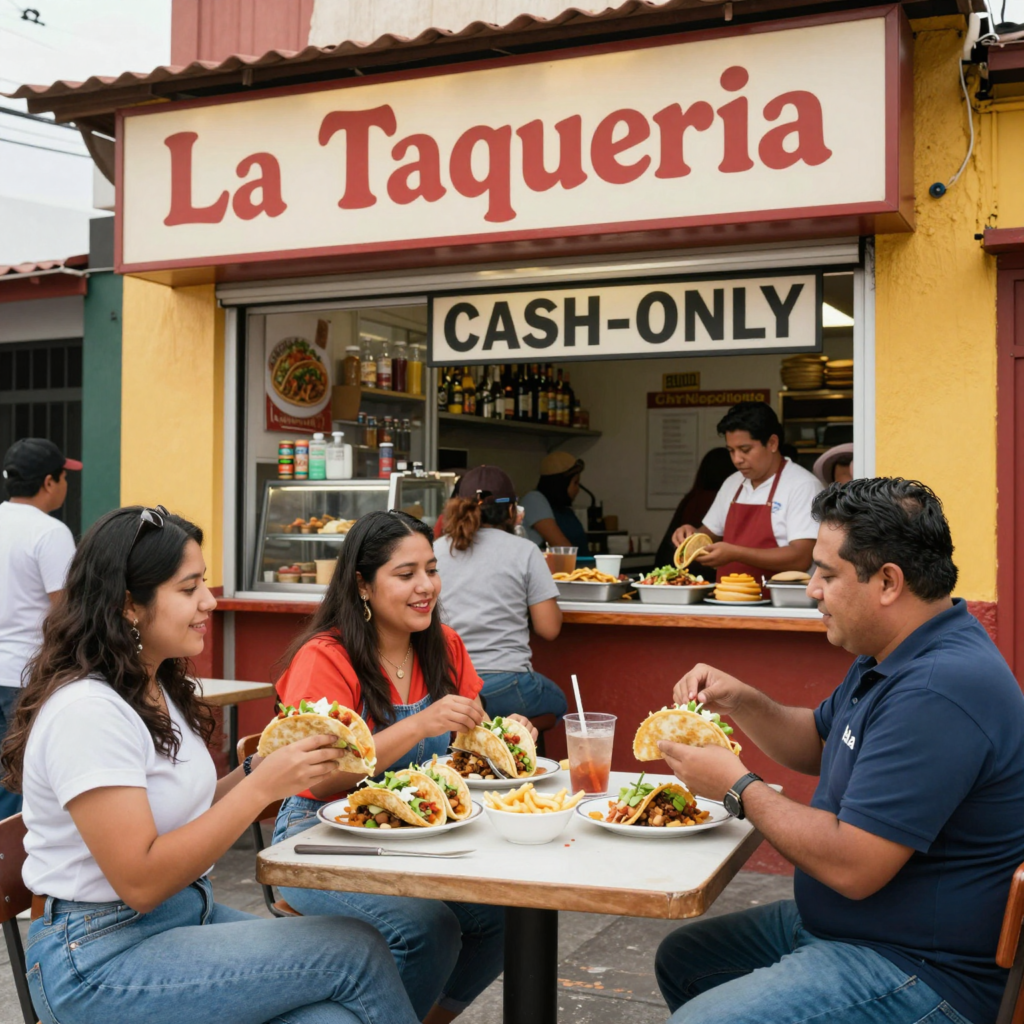
La Taqueria’s decision to operate as a cash-only establishment is more than just a quirky business model; it highlights a growing trend among culinary entrepreneurs. For many business owners in the food industry, especially in an age dominated by electronic transactions, this approach raises crucial questions about financial management, customer experience, and operational efficiency. Cash-only policies can lead to lower transaction fees, increased privacy, and a simpler bookkeeping process. Yet, they can also limit customer convenience and alienate less cash-reliant diners. Therefore, understanding the implications of such a policy is vital for anyone looking to navigate the competitive culinary landscape. As we delve into the ramifications of La Taqueria’s cash-only status, business owners will gain insights applicable to their own operations, whether they’re running a taco shop or any other food venture. Learn more about how La Taqueria operates and what it means for local culinary businesses.
Understanding Cash-Only Businesses in the Restaurant Sector
A cash-only business operates without accepting credit or debit cards as forms of payment, requiring customers to pay only with cash. This model is often favored by small businesses, such as local restaurants or taquerias, including the ones represented in Taqueria El Pastor.
Benefits of a Cash-Only Model
Operating a cash-only restaurant can come with several advantages:
- Reduced Transaction Fees: One of the principal reasons restaurants adopt a cash-only policy is the elimination of processing fees associated with credit and debit card transactions. By avoiding these fees, which can range from 1.5% to 3.5% per transaction, businesses keep a higher percentage of their revenue.
- Simplified Transactions: Cash transactions are straightforward and can speed up the payment process, leading to shorter wait times for customers. This can improve the overall dining experience.
- Less Administrative Work: Without having to deal with card validation processes, businesses can streamline their accounting, resulting in fewer expenses related to bookkeeping and transaction reporting.
Challenges of Going Cash-Only
While there are notable benefits, challenges accompany the cash-only model as well:
- Financial Security Risks: Handling cash increases the risk of theft or loss, posing challenges for financial security. Business owners need to implement rigorous cash-handling procedures to mitigate such risks.
- Customer Accessibility: Some customers prefer using cards for convenience or to earn rewards. Being a cash-only establishment may deter some patrons, limiting potential sales.
- Limited Financial Tracking: Cash transactions can make tracking sales and revenue more difficult, especially if not accurately recorded. This can impact financial analysis and business decisions.
In conclusion, while cash-only restaurants like Taqueria El Pastor offer certain financial advantages, they must also consider the potential drawbacks that could affect their growth and customer base. For more insight into specific menu offerings, check out Tacos El Pastor.
Advantages of Being Cash-Only for La Taqueria
Operating as a cash-only business brings several advantages, particularly for a restaurant like La Taqueria. Here are some key benefits:
-
Lower Overhead Costs: By not accepting credit cards, La Taqueria avoids the high transaction fees typically charged by credit card processors, which range from 2.5% to 3.5% per transaction. This can significantly increase profit margins over time.
-
Streamlined Operations: A cash-only approach simplifies the payment process, which can lead to faster service. Without needing to handle card machines or process card payments, staff can focus more on providing a great dining experience and less on technology.
-
Improved Cash Flow Management: Working with cash allows the establishment to maintain a clearer picture of daily earnings. This can enhance overall financial accountability and streamline bookkeeping processes, as there are fewer types of transactions to track.
-
Reduced Risk of Fraud: Cash transactions eliminate the potential risks associated with credit card fraud and chargebacks. This not only protects the business’s bottom line but also builds trust with customers who prefer cash transactions.
-
Stronger Customer Relationships: Cash transactions facilitate more direct interaction between customers and staff, creating opportunities for personalized service and stronger customer relationships. Patrons may appreciate the simplicity and speed of cash payments.
-
Regulatory Compliance: For La Taqueria, being cash-only can help in complying with certain regulations regarding payments, especially in industries where cash transactions are preferred by customers. This can make operations smoother by mitigating legal issues related to electronic payments.
Overall, adopting a cash-only policy can provide La Taqueria with financial and operational advantages that enhance its profitability and customer satisfaction. For more insights into tacos and cash management, you can learn more about our menu or explore our story as a taqueria business.
La Taqueria’s Cash Handling Practices
La Taqueria, a popular Mexican restaurant located in various cities such as San Francisco, has a distinct approach to cash handling. Originally founded in 1973, it has established itself in the culinary landscape, especially noted for its tacos and burritos. Understanding its cash handling and payment policies is vital for business owners considering similar operational models.
Cash-Only Philosophy
The San Francisco location of La Taqueria is particularly known for its cash-only payment method. Reports indicate that although the restaurant has card processing equipment, they predominantly practice cash transactions. Several customer accounts emphasize this, stating the restaurant clearly requests cash payments despite the existence of a credit card reader. This inconsistency between equipment availability and the actual payment policy can lead to confusion among patrons.
Business owners may find inspiration in this model, especially in environments where cash flow management is critical. By accepting only cash, La Taqueria may reduce credit card processing fees and streamline its cash flow. However, this approach requires operational adaptations, such as ensuring adequate cash reserves and managing ATMs for customer convenience.
Variability Among Locations
It’s worth noting that practices can vary by location. For example, La Taqueria locations may have differing policies based on local demand and merchant services agreements. Customers have reported that in certain instances, credit cards were accepted, suggesting that restaurant managers might adjust policies under specific circumstances. As of late 2022, feedback indicated a strong adherence to cash-only operations, especially in highly trafficked areas like the Mission District in San Francisco. A suggestion from customers includes the importance of being prepared with cash, particularly on busy days, as the wait times can increase significantly.
Technological Considerations
While La Taqueria remains primarily cash-based, the presence of a functioning credit card machine reflects the reality many restaurant owners face today – a hybrid approach to payment methods. This scenario can drive valuable lessons for other business owners, highlighting the importance of clear communication with customers regarding payment policies. The operational strategy also invites customers to frequent their establishments with cash ready, reinforcing the significance of being customer-centric.
Recommendations for Restaurant Owners
- Evaluate Cash Flow: Consider the benefits of a cash-only policy versus the potential inconveniences to customers.
- Establish Clear Communication: Be transparent about payment methods to avoid customer dissatisfaction.
- Implement ATM Services: If operating a cash-only model, providing ATM services can enhance the customer experience and convenience.
As La Taqueria continues to thrive under these practices, others in the food service industry can learn from this strategy, especially regarding customer relations and financial management.
For more on La Taqueria’s offerings, check out their tacos el pastor menu or explore the various branches of Taqueria.
Cash Transactions at Taquerias
In the world of food service, cash-only establishments like many taquerias offer a distinct charm and atmosphere. Cash transactions are often preferred for their simplicity, avoiding credit card fees and ensuring immediate payment. This model not only streamlines the payment process but also fosters a unique connection between customers and the business.
Taquerias that operate on a cash-only basis tend to create a more intimate dining experience, where the focus is on authentic food rather than the distractions of technology and electronic payment systems. The vibrant atmosphere often features colorful decorations, tantalizing taco displays, and the sizzling sound of grilled meats enticing customers to step inside.
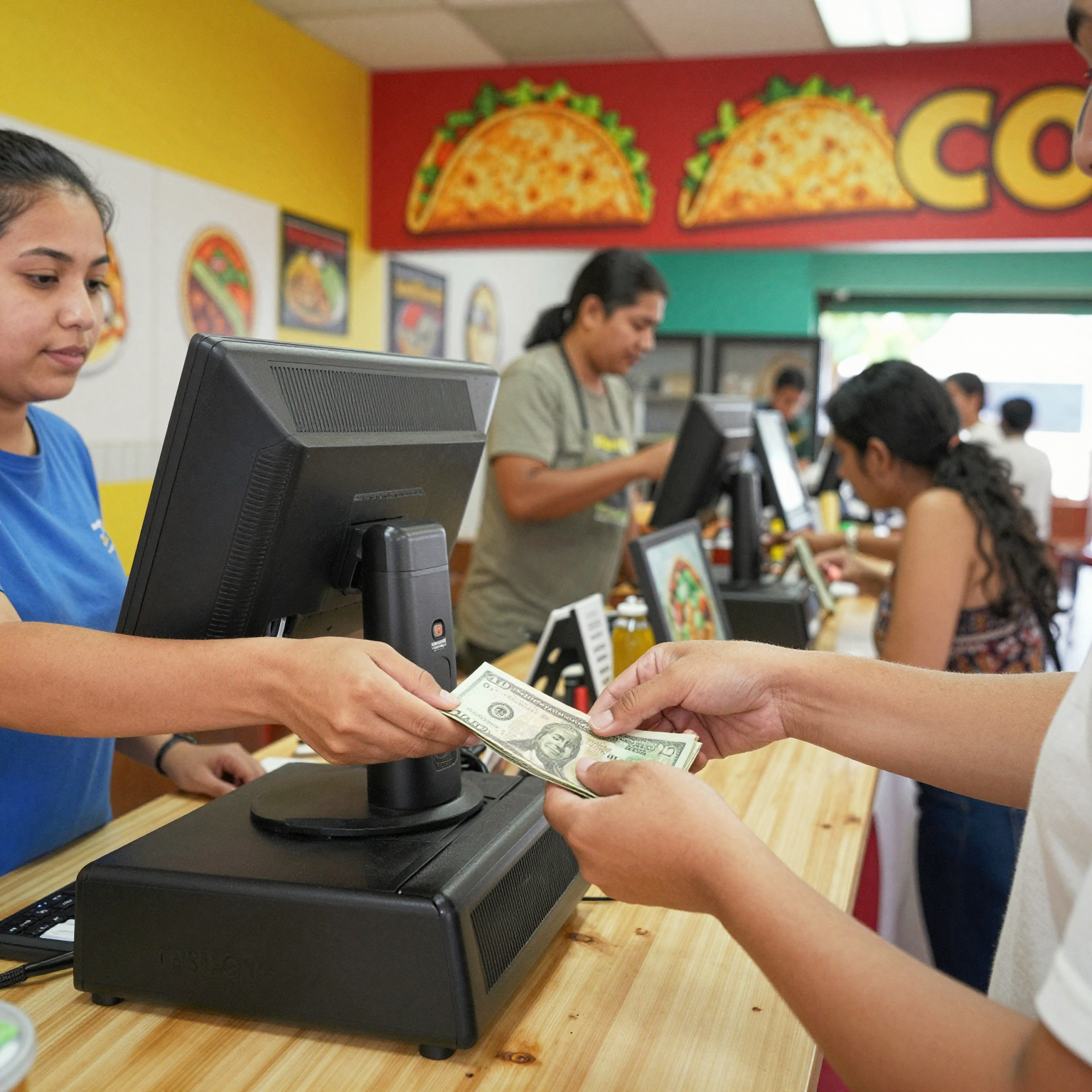
This image captures the essence of cash transactions at a taqueria, highlighting the lively environment and the joy of a direct, tangible exchange.
La Taqueria, a revered establishment in San Francisco, is well known for its vibrant tacos and Mission-style burritos. However, it has maintained a strict cash-only policy for an extended period. Gathering customer feedback on this cash-only experience reveals a mix of understanding and frustration, often with a focus on the quality of food and convenience.
Customer Experiences
Many reviews consistently highlight the cash-only policy as a vital piece of information that potential customers should be aware of. As of 2023 and recent updates, Patrons frequently note that the restaurant maintains strict cash payment rules, often accompanied by the convenience of an ATM located on-site. For instance, one customer expressed it succinctly: “They only take cash, but there’s an ATM, which is really handy” (Tripadvisor).
Despite the clarity of the cash policy, some visitors have described their surprise when they first encountered the rule, often advising others to prepare cash beforehand, especially during peak dining hours when the restaurant often sees long lines. Nevertheless, the quick-moving lines and friendly staff often offset the inconvenience. One review from 2023 stated, “The line was long but moved fast, and the food is absolutely worth it!” (Tripadvisor).
Quality Over Inconvenience
Many patrons are generally forgiving of the cash-only policy, with comments emphasizing that the food’s quality far outweighs the inconvenience of carrying cash. As one diner noted, “I’d still walk through the rain for their Mission Burrito,” a testament to the restaurant’s reputation for serving authentic, fresh Mexican cuisine (San Francisco Chronicle).
The overall sentiment seems to be a healthy blend of traditional cash handling rooted in the San Francisco dining scene, mixed with the understanding that some conveniences might be sacrificed for a beloved food experience. While frustration exists regarding the lack of credit card options, many are willing to embrace the quirks of a beloved local spot and adapt to its unique requirements.
Conclusion
La Taqueria’s cash-only policy has remained a longstanding element of its operational identity. While some customers express minor frustrations regarding this policy, the consistent praises for its delicious food, quick service, and friendly staff highlight that many patrons value the overall experience more than the inconvenience of carrying cash. For an establishment that continues to attract significant foot traffic and accolades, the cash policy seems a small price to pay for a taste of authentic San Francisco cuisine.
To learn more about the delicious offerings at La Taqueria, check out their menu here.
Comparing Cash-Only and Card-Accepting Restaurants
The payment method a restaurant chooses can significantly impact its operations and customer satisfaction. Below is a detailed comparison of cash-only restaurants versus those that accept credit cards.
| Characteristics | Cash-Only Restaurants | Card-Accepting Restaurants |
|---|---|---|
| Operational Costs | Avoid processing fees (1.5% to 3%) | Pay transaction fees, impacting profit margins |
| Customer Base | May deter younger, tech-savvy customers | Attract broader clientele, including those preferring digital payments |
| Revenue Management | Limited average spend (may miss out on upselling) | Higher average spend, with purchases typically increasing by 15% |
| Risk Management | Lower risk of fraud and chargebacks | Higher risk due to chargebacks if customers dispute transactions |
| Convenience | May require customers to have cash on hand | Convenient for customers, reducing friction at checkout |
| Flexibility | Less flexible with payment options, potentially reducing traffic | More flexible, accommodating a variety of payment preferences |
| Administrative Workload | Lower administrative burden as cash transactions are simpler | Increased workload due to managing payment processing systems |
Conclusion
Cash-only restaurants may benefit from reduced operational costs but often face challenges in customer retention and maximizing sales. In contrast, card-accepting establishments enhance convenience and customer experience, allowing them to cater to a larger audience while managing the risks and costs associated with credit transactions. For further insights into restaurant operations and menus, learn more about our offerings at Taqueria El Pastor!
Conclusion: The Importance of Understanding Payment Types in the Restaurant Industry
In the rapidly evolving landscape of the restaurant industry, comprehension of payment types has emerged as a crucial factor for business success. As consumers increasingly expect diverse payment options, including contactless cards, mobile wallets like Apple Pay, and digital payment apps, restaurant owners must adapt to these preferences or risk losing valuable customers. A recent study from the National Restaurant Association highlights that failure to offer multiple payment methods can lead to longer wait times, cart abandonment, and ultimately, lost sales. Therefore, staying attuned to changing consumer demands is vital.
Understanding the nuances associated with various payment methods is not solely about meeting customer expectations; it also has a direct impact on operational efficiency and financial health. For instance, each payment type comes with its own fees and settlement timelines that can significantly affect a restaurant’s bottom line. Owners who are educated on these factors can negotiate better rates with payment processors and choose solutions that optimize their financial strategies. Furthermore, compliance with regulatory standards such as PCI-DSS is critical for safeguarding customer information and maintaining trust.
Moreover, as trends indicate a steady rise in the use of cashless payments-with over 65% of U.S. consumers preferring to use non-cash options for dining-business owners who implement flexible payment solutions can enhance customer satisfaction and streamline operations. According to data from Square Insights, businesses that embrace innovations like QR code payments and buy-now-pay-later services tend to engage more effectively with younger demographics, who are driving much of this change.
In summary, a comprehensive understanding of payment types is not just a peripheral aspect of restaurant management but a strategic necessity. By integrating modern payment solutions and being proactive about staying compliant with industry regulations, restaurant owners can not only improve customer experiences but also strengthen their overall business operations. As technology continues to influence consumer payment preferences, embracing these changes will be key in maintaining a competitive edge. For those looking to dig deeper into optimizing their restaurant offerings, consider exploring resources such as tacos el pastor and the pastor taqueria.
Thus, understanding and adapting to the landscape of payment options will ultimately shape the success of restaurants, paving the way for growth and customer loyalty in this dynamic environment.
Get Support and Consultation from Zoomlion
Are you a business owner seeking guidance on cash-only operations for your taqueria? If you have questions about whether “la taqueria” is cash-only, or if you need help optimizing your payment solutions, Zoomlion is here to assist you! Our expert team can provide you with tailored advice and ongoing support to help you navigate the challenges of your business.
Don’t hesitate to reach out for a personalized consultation. Contact us today to discuss how we can enhance your restaurant’s operations! Learn more about how we can assist your taqueria.
For quick and effective solutions, partner with Zoomlion – your trusted ally in the restaurant industry!
Cash Transaction Trends in Restaurants
Recent trends in cash transactions within the restaurant industry highlight the shifting preferences of consumers. As of 2023, cash payments in restaurants have shown a decline, but they still maintain a relevant presence, particularly in specific settings.
Key Findings:
- Cash Payments Stay Significant: According to a report by the Chinese People’s Bank, while non-cash payment methods have been rapidly adopted, cash transactions still accounted for 60% of payments in certain dining scenarios, especially at small, local restaurants where patrons appreciate the flexibility and simplicity without digital payment complications.
- Digital Payment Rise: The adoption of digital wallets and card payments has been remarkable, with reports indicating that 85% of consumers prefer mobile payments in various dining contexts, significantly overshadowing cash transactions which account for merely 15%. This indicates a clear migration towards seamless, contactless payment methods as consumers seek efficiency and safety.
- Impact of Regulations: New regulations encouraging cash acceptance in many jurisdictions have emerged, ensuring that cash remains a viable option for all customers. These regulations are particularly focused on ensuring access for older adults and those less familiar with digital technology.
Conclusion
The restaurant industry continues to experience a radical shift in payment preferences, with a strong inclination towards digital solutions while still accommodating cash payments where necessary. This trend is critical for business owners in understanding customer needs and optimizing payment methods to cater to all demographic segments.
For more information on what’s popular in the dining sector, visit Taqueria El Pastor menu.