
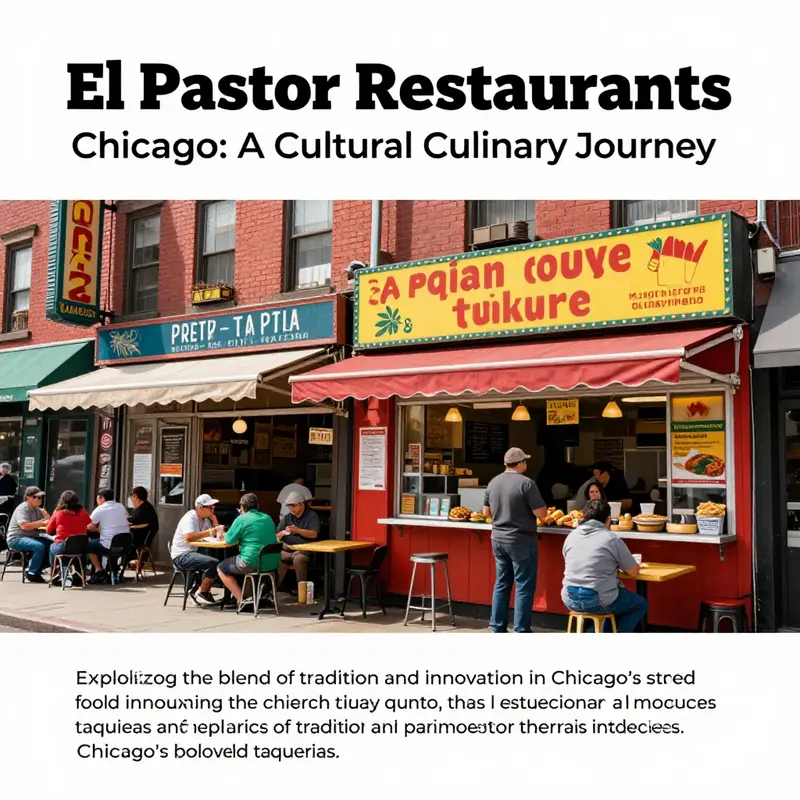
El Pastor restaurants in Chicago represent more than just an eatery; they embody the vibrant Mexican culture that thrives in the city. This article delves into two standout venues—Taqueria El Pastor in West Lawn and Tacos El Pastor 53 in Hyde Park—highlighting their unique offerings and contributions to the local gastronomy. Additionally, we examine the cultural impact these establishments have on Chicago’s broader culinary landscape, making it essential reading for business owners looking to understand the rich tapestry of flavors and community influence in this vibrant city.
West Lawn’s Taqueria El Pastor: A Quiet Hearth of Chicago’s Mexican Street Food Heritage
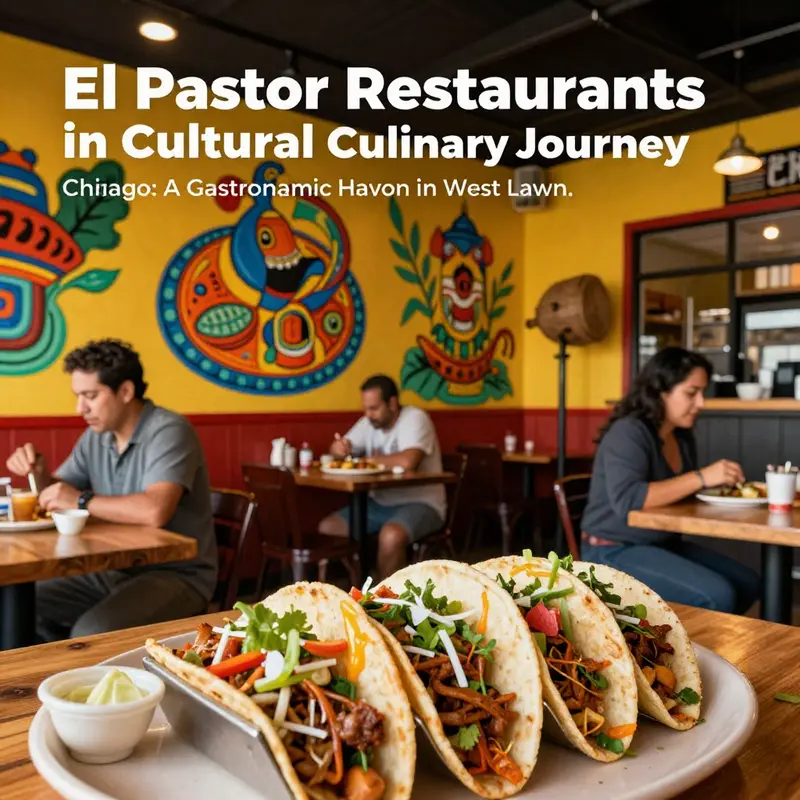
In Chicago, a city where streets weave a mosaic of immigrant narratives, the West Lawn neighborhood holds a small but enduring flame of tradition. Tucked along 4418 W 63rd Street, a cafeteria‑style taqueria has become more than a place to eat; it is a gathering point where neighbors exchange stories as they pass plates of food pulled from a rotating spit, where the sizzle of pork on a trompo meets the earthy scent of fresh corn tortillas. This is more than a restaurant visit. It is an immersion into how authentic Mexican street food travels from the sidewalks of Mexico to the heart of Chicago, traveling across borders through a shared appetite for significado and memory. The space itself is unassuming, almost utilitarian, with a bustle that feels like a rhythm section for a larger orchestra of everyday life. The doors stay open to the street and the kitchen, and the result is a meal that tastes like a well-loved family recipe rather than a carefully curated menu on glossy paper.
The menu centers on the pillars of Mexican street cuisine: al pastor, carne asada, and barbacoa. Each dish arrives wrapped in a handmade tortilla, crafted daily with a tenderness that reveals a craftsman’s pride. The al pastor, a cornerstone of the experience, is a study in balance—the fat of the meat mingling with bright citrus and the upcoming kiss of chili, all carved from the rotating spit and crowned with onions and cilantro. The carne asada offers a different kind of precision; the beef bears a caramelized crust that gives way to a juicy interior, while the barbacoa carries a deeper, sootier note that suggests long, slow cooking beneath the heat. These flavors are not loud; they are confident, designed to let the natural sweetness of the pork, the smoke of the grill, and the brightness of the salsas speak for themselves.
What helps this meal land with a sense of authenticity is the attentiveness to technique. The tortillas arrive warm and pliant, a sign that the kitchen respects the format that carries every bite. The salsa, usually a bright, tangy companion, is balanced to cut through the pork fat without masking the meat’s character. A signature feature is the consommé, a savory, clear broth served alongside the tacos. It completes the meal in a way that feels almost ceremonial, inviting you to dip the last bite into a shallow pool of flavor and emerge with a lingering, comforting finish. It is a small detail, yet it anchors the dining experience in a tradition that many travelers search for when they crave something more than a quick bite on the go. The consommé isn’t merely a dip; it is a reminder of kitchens that simmer for hours, of family gatherings around a pot, and of neighbors who share a pot of something good on a weekend afternoon.
The atmosphere reinforces the sense of a community hub rather than a destination for a polished culinary tour. The interior is no-frills, the kind of place where chatter rises above the clatter of plates, and turnover keeps everyone moving in a friendly, unassuming hustle. It’s the kind of venue where someone’s grandmother might have taught a recipe, or where a young cook learns to coax tenderness from tough cuts with a patient hand and a careful eye. You can feel the pride of place in the way the tortillas are handled, the respectful attention given to the grill, and the steady stream of locals who repeatedly choose this spot as a familiar anchor in their weekly routine. This is not a showpiece restaurant; it is a neighborhood cafe where people come to eat, linger, and share the stories that line their days. In a city famous for its layered identities, West Lawn’s taqueria is a living example of how immigrant heritage translates into everyday pleasure—one plate, one conversation, one smile at a time.
Culturally, the impact of such a place in Chicago extends beyond the pleasure of a satisfying meal. It embodies the way a city absorbs and reinterprets traditions from distant towns and translates them into a shared urban experience. The al pastor on the trompo, the handmade tortillas, and the careful layering of salsas reflect a heritage that refuses to be quieted by distance. The restaurant serves both locals and visitors who want to understand Chicago through a culinary lens that includes the warmth of family cooking, the discipline of traditional technique, and the improvisational energy of a street-food mindset. In this light, a single meal becomes a kind of passport stamp—west of the river, in a neighborhood that is itself a crossroads of cultures, where the food speaks softly of memory while tasting boldly of today.
For those who want to explore the broader spectrum of the menu without losing sight of what makes this West Lawn chapter special, a deeper look at the offerings can be found in the catalog entry dedicated to the tacos el pastor del rico. This online reference captures the philosophy of the kitchen—fresh tortillas, a careful balance of smoke, citrus, and spice, and a respectful nod to the history behind each preparation. It is useful to approach the menu not as a simple list of items, but as a map of flavors that have traveled from a regional context to a city street, where they meet the palates of a diverse audience and evolve through shared improvisation. The nourishment is tactile and intimate, from the warm tortillas to the succulent meat, from the bright green cilantro to the crema that lightly smooths out the bite of the salsa. The experience rewards patience as much as appetite, inviting diners to slow down, observe the rhythm of the kitchen, and savor the way a modest plate can carry the weight of a long, layered culinary tradition.
As a chapter in the larger story of Chicago’s el pastor landscape, this West Lawn spot stands as a quiet beacon of authenticity. It demonstrates how a neighborhood institution can sustain a connection to its roots while becoming a touchstone for newcomers who seek a genuine taste of the city’s Mexican street food scene. The late afternoon crowd moving through the door, the familiar exchange of orders, and the hearty, straightforward flavors weave together into a portrait of resilience and belonging. In this sense, the taqueria becomes less about a single dish and more about a shared memory—of visits with family, of conversation around a table that has welcomed generations, and of the city itself as a place where tradition is not preserved in a museum but lived and relished in real time.
External reference: https://www.tripadvisor.com/RestaurantReview-g31950-d2724332-Reviews-TaqueriaElPastor-ChicagoIllinois.html
From Trompo to Table: Tacos El Pastor 53 and the Pulse of Hyde Park’s Chicago Food Scene
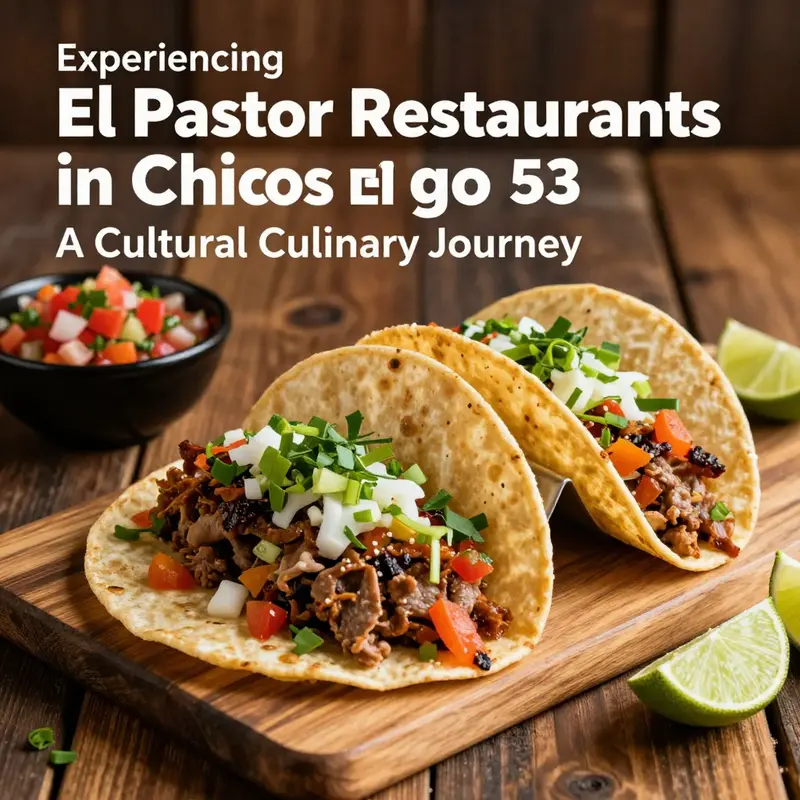
Hyde Park sits at a crossroads of academia, history, and a daily rhythm defined by students, families, and neighbors who drift in and out of the neighborhood’s modest storefronts. Among these, a small taqueria at the corner of S Hyde Park Blvd and 53rd St offers more than a meal; it serves as a microcosm of Chicago’s immigrant kitchen culture, where the everyday act of eating becomes a thread tying generations and stories together. The place itself is unassuming, a no-frills counter with a simple setup that keeps the focus where it should be: on the food and the people who cook it. The scent of roasted pork and maize hangs in the air, a reminder that the city’s culinary map is threaded with the history of families who carried recipes across borders in search of opportunity and a seat at the table. In Hyde Park, this taqueria has become a local favorite not for spectacle but for consistency, for the way it makes something as elemental as a tortilla and a spit-roasted taco feel both immediate and deeply rooted in tradition.
What makes the experience stand out is the fidelity to technique. The tortillas arrive at the counter freshly pressed each day, a small ritual that signals care before a single bite is taken. The al pastor, shaved from a vertical spit, carries a smoky-tinged sweetness that speaks of citrus, spice, and patience—the kind of flavor that doesn’t shout but lingers. There is a quiet confidence in the way the meat is sliced, enough to release its juiciness without drying it out, enough to let the salsa and the lime do their work without competing with the pork’s natural character. The combination of warm tortilla and succulent meat creates a foundation on which the meal can comfortably rest. A bowl of consommé, offered as a companion rather than a garnish, invites dipping and rounds out the experience with a brisk, comforting note that echoes home-cooked meals found in kitchens far from the storefront’s fluorescent glow. It’s not about grand gestures; it’s about an honest, well-executed representation of al pastor that respects its origin while fitting neatly into Chicago’s fast-paced, diverse dining landscape.
The atmosphere reinforces the sense of community that Chicago’s street-food scene embodies. There’s a straightforward, almost familial vibe: quick service, a steady stream of regulars, and the sort of conversation that happens when neighbors recognize each other’s voices and orders. You can sense generations of cooks behind the counter, people who learned their craft at the elbow of a rotating trompo and a family recipe handed down with pride. The space is small enough that you can hear the sizzle as the pork meets the heat, feel the warmth of the comal as it presses a fresh tortilla, and notice the care with which each tortilla is warmed—the moment where texture matters as much as taste. This is what makes the place more than a stop for a quick bite; it’s a neighborhood ritual, a daily reminder that good street food can thrive in a city that often celebrates its extremes rather than its essentials.
From the moment you step inside, the cadence of routine becomes the charm. There are no reservations to contend with and no elaborate décor to distract from what matters most: the food. The establishment operates on a straightforward logic—serve what you do best, keep the price accessible, and maintain the consistency that builds trust with regulars who return week after week. The cash-only rhythm is part of that honesty, a nod to tradition that keeps the experience stripped to its essentials and free of distractions. The staff moves with the practiced ease of people who know their craft and who understand that a good taqueria earns its loyalty not through flashy polish but through the comfort of a well-cooked taco and the generosity of a familiar, friendly face across the counter.
For visitors, Hyde Park’s al pastor experience offers a quiet, powerful argument for the value of local, neighborhood eateries in a city that can feel, at times, like a patchwork of elevated hotspots and distant culinary capitals. This taqueria embodies a broader story: Chicago’s immigrant communities carry forward culinary traditions, translating them into food that resonates with a wide audience while preserving the distinctive fingerprints of origin. The al pastor’s crisp edges, the tenderness of the pork, and the bright lift of lime and salsa together map a landscape where global influences meet local habit. The result is not a mere plate of tacos but a narrative of movement, memory, and cuisine evolving in a place that invites both discovery and belonging. In this sense, Hyde Park’s tacos el pastor become a case study in how a single storefront can anchor cultural exchange, offering both a taste of homeland and a bridge to a metropolitan present.
As you weave through the day’s rhythms, a quick detour into the broader El Pastor scene—without losing sight of Hyde Park—helps illuminate how these spots function as catalysts for neighborhood identity. The city’s authentic iterations of al pastor and other Mexican street foods are not isolated pockets; they are nodes in a larger network of communities that exchange ideas, techniques, and flavors with reverence for tradition and a willingness to adapt. The hand-made tortillas, the shaved al pastor, the quiet dignity of a bowl of consommé—all these elements anchor a chain that extends into nearby neighborhoods, linking stories of new arrivals with those of long-time residents who view the taqueria as a second home. In this context, the Hyde Park location becomes less about a singular dining option and more about a living example of how Chicago’s food culture thrives on personal connections, shared meals, and a steady drumbeat of daily rituals that echo through the streets and into the kitchens of other enclaves.
For readers curious to connect the Hyde Park experience with a broader online portrait, a concise resource inside the Taqueria El Pastor family offers a gateway to related dishes and regional variations that many city blocks away from this corner still honor. The link below directs to a hub that traces the trajectory of al pastor and its variations across the brand’s landscape, providing context for how this local favorite fits into a wider tradition and how the craft has evolved while staying true to its roots. tacoselpastor. This internal pathway invites readers to explore the broader tapestry without departing from the intimate, neighborhood-centered story told here.
Beyond the counter and beneath the surface, what remains striking is the way a single taqueria in Hyde Park models a larger Chicago truth: the city’s strength lies in its neighborhoods, where food becomes a shared language that carries both memory and welcome. The al pastor here isn’t just a dish; it’s a doorway into a city’s conversation about belonging, resilience, and daily life lived with care. It’s a reminder that gastronomy, at its most compelling, acts as a cultural conduit, turning a casual meal into a moment of understanding—a moment that asks nothing more than paying attention to the pork’s juiciness, the tortilla’s warmth, and the way each bite makes the surrounding world feel a little closer, a little kinder, and a little more worth coming back for. For the curious reader who wishes to anchor this chapter in a wider narrative, the experience here stands as a testament to Chicago’s enduring appeal: a city where the taste of home can be found on a street corner and where communities continue to shape the chart of flavors that define a metropolis.
External reference: https://www.yelp.com/biz/tacos-el-pastor-53-chicago
Spinning Heritage on Chicago’s Streets: Al Pastor and the City’s Culinary Tapestry
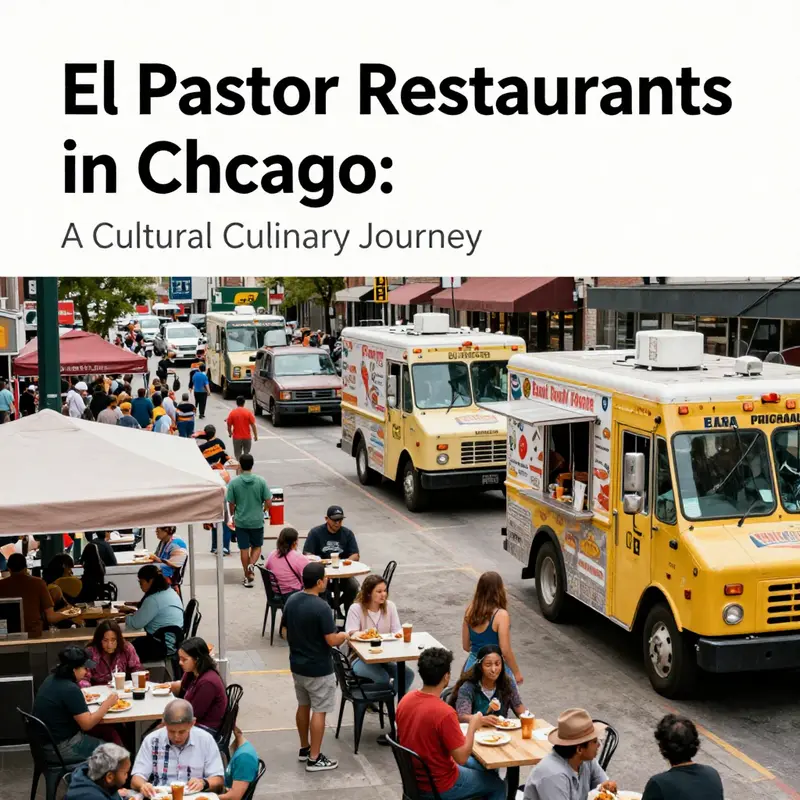
Chicago wears its immigrant story like a patchwork quilt, each square a neighborhood with its own cadence, color, and memory. In this city, al pastor—rotating on a trompo, shaved to order, and tucked into a warm tortilla—has become more than a dish. It is a symbol of adaptation, persistence, and the stubborn joy of making something new from a distant homeland. The taquerias that specialize in this preparation do more than feed mouths; they feed a sense of belonging, stitching together generations of families, neighbors, and visitors who crave a taste that speaks of both origin and place. In neighborhoods where the streets pulse with a mix of languages, these kitchens stand as cultural hubs. They preserve regional Mexican traditions while translating them into a Midwestern rhythm, where the smoke from the trompo blends with the hum of daily life and the cadence of ongoing migration. The scene is rarely glamorous; it is intimate and tactile. A server wipes a counter, a cook flips a piece of meat on the spit, and the aroma—pineapple, chili, garlic, and char—travels through the doorway like a welcome hello. Here, the act of eating becomes a bridge between generations and a ceremony that marks the city’s evolving identity.
Al pastor is the thread that ties many stories together. Its essence lies in the vertical spit and the careful layering of flavors: a marinade that mingles chiles, spices, and citrus with the sweetness of pineapple. What arrives on a warm corn tortilla is not merely protein and toppings; it is a compact narrative of migration, of families who carried recipes across borders and found a new audience that insisted on keeping those flavors alive. The preparation requires craft and patience. The meat is shaved to order, its smoky edge catching glints of fat and spice with every thin slice. The tortilla, often handmade, arrives steaming and pliant, ready to cradle a portion that tastes of sun-dried air and crowded markets from elsewhere. In Chicago, this ritual of shaving and assembly is not a performance reserved for a chef’s stage; it unfolds in the open kitchen where customers can watch the trompo slowly turn, a quiet reminder that food is time well spent. The sensory drama—the crackle of the grill, the sizzle of the meat meeting the hot surface, the aroma that lingers on coats and scarves—transforms a simple meal into a ritual that honors memory while inviting new memories to form.
The social fabric surrounding these taquerias extends beyond nourishment. They are often family-run enterprises with modest storefronts, placed at the crossroads of daily life where neighbors stop for a quick bite or linger over a late-night bite with friends. In these spaces, conversations drift between recipes, neighborhood anecdotes, and plans for upcoming weekend gatherings. The pace is unhurried in a way that respects both the responsibilities of work and the pleasure of sharing food. Such places provide a sense of belonging that transcends language or background. Children learn the words for spices and toppings from grandparents who labor alongside them, and younger cooks absorb techniques by watching a father or aunt carve the meat with practiced ease. This intergenerational exchange reinforces a living tradition, making the kitchen a classroom where culture is handed down through taste and touch as reliably as through stories told aloud.
There is a palpable sensory ritual in these spaces that cements the connection between place and memory. The moment the trompo rotates, a fragrance rises like a question mark—what is this familiar scent, from which place does it come, and how did it arrive here, in Chicago? The answer arrives in the form of a shaved ribbon of meat, its edges browned and glistening, paired with a lime wedge, chopped onions, cilantro, and a handful of warm tortillas. The shield of pineapple sweetness cuts through the spice, balancing heat with brightness. Diners partake in a choreography of bites: a first taste of smoky meat, a second of fresh cilantro and onion, a final touch of salsa that wakes the palate. Watching the al pastor being shaved from the trompo becomes a direct link to the homeland’s street vendors, while the act of savoring in a Chicago storefront anchors the memory in a contemporary urban landscape. These rituals, repeated day after day, accumulate into a sensorial archive that defines what authentic street food can mean when it travels and settles far from its point of origin.
Artistically, the al pastor tradition has spurred broader culinary imagination across the city. It is not simply about replicating a recipe; it is about translating a regional practice into a new urban context, where the ingredients may travel with different seasons and the clientele may shift with new neighborhoods. The result is a cuisine that respects its roots while inviting experimentation: chefs and home cooks alike draw on this technique to create revised menus, fusing traditional al pastor with contemporary tasting concepts or regional Mexican influences from other corners of the Americas. Chicago’s food scene, known for absorbing trends and making them its own, treats al pastor not as a relic but as a living, evolving practice. The dish becomes a cultural marker, a compass pointing toward immigrant pride and urban ingenuity. In this way, the city’s gastronomic soul is deepened, not by uniformity, but by the variety of familial stories that converge at the counter to form a shared experience. The taquerias that champion al pastor remind us that food is a language of memory, one that translates personal history into a citywide tradition that residents carry with them into the future.
The broader consequence of this culinary current is a city that grows more confident in its diversity. Chicago does not chase trends; it absorbs them, reframes them, and then claims them as part of its own narrative. Al pastor, with its cross-border heritage, stands as a case study in that process. It demonstrates how immigrant cuisine can contribute to a neighborhood’s identity and, by extension, to the city’s cultural reputation as a place where different worlds intersect and enrich one another. The dining room becomes a stage where memory and possibility meet, where the exhaustion of daily life is countered by the comfort of familiar flavors and the curiosity of new combinations. This dynamic is not merely about taste; it is about a city that understands how to honor origins while welcoming change, how to preserve a sense of home within a rapidly evolving urban frontier.
In sum, al pastor restaurants in Chicago are more than places to eat. They are living archives of migration, family, and resilience. They offer a way to understand how immigrant communities shape a city’s bottom line and its sense of belonging. They teach us that a shared plate can be a shared future, one where the echoes of the past inform the present and enable the next generation to add their own voice to the chorus. For readers seeking a tangible sense of this culture, the menus and the stories behind them offer a gateway: a reminder that the city’s kitchens are not only about sustenance but about lineage, community, and the ongoing negotiation between memory and possibility. To explore a broader perspective on how al pastor fits into Chicago’s evolving food culture, see the related resource linked here: El Pastor Mexican Food.
External context: for a wider cultural analysis of the role of al pastor in Chicago’s food scene, consider the broader discussions in this cultural exploration: https://www.chicagotribune.com/food/story/chicago-el-pastor-taco-culture-20260215
Final thoughts
El Pastor restaurants in Chicago are more than just places to grab a quick bite; they are vital components of the city’s cultural fabric. They not only serve delicious, authentic food but also foster a sense of community and celebration of Mexican heritage. For business owners, understanding the significance of these establishments can provide invaluable insights into the evolving culinary scene of the city, highlighting opportunities for innovation and collaboration within the community.

